



The process of moving a retail business involves a level of complexity that goes far beyond simple heavy lifting. It is a transition of an entire brand experience from one physical space to another. Traditionally, this meant business owners spent weeks staring at two dimensional blueprints and using rolls of blue painter’s tape to mark off floor sections in an empty building. There was always a lingering sense of uncertainty until the first shelving units were actually bolted to the walls. If the flow felt cramped or the checkout counter blocked the natural light, the cost of fixing those mistakes after the move was often prohibitive.
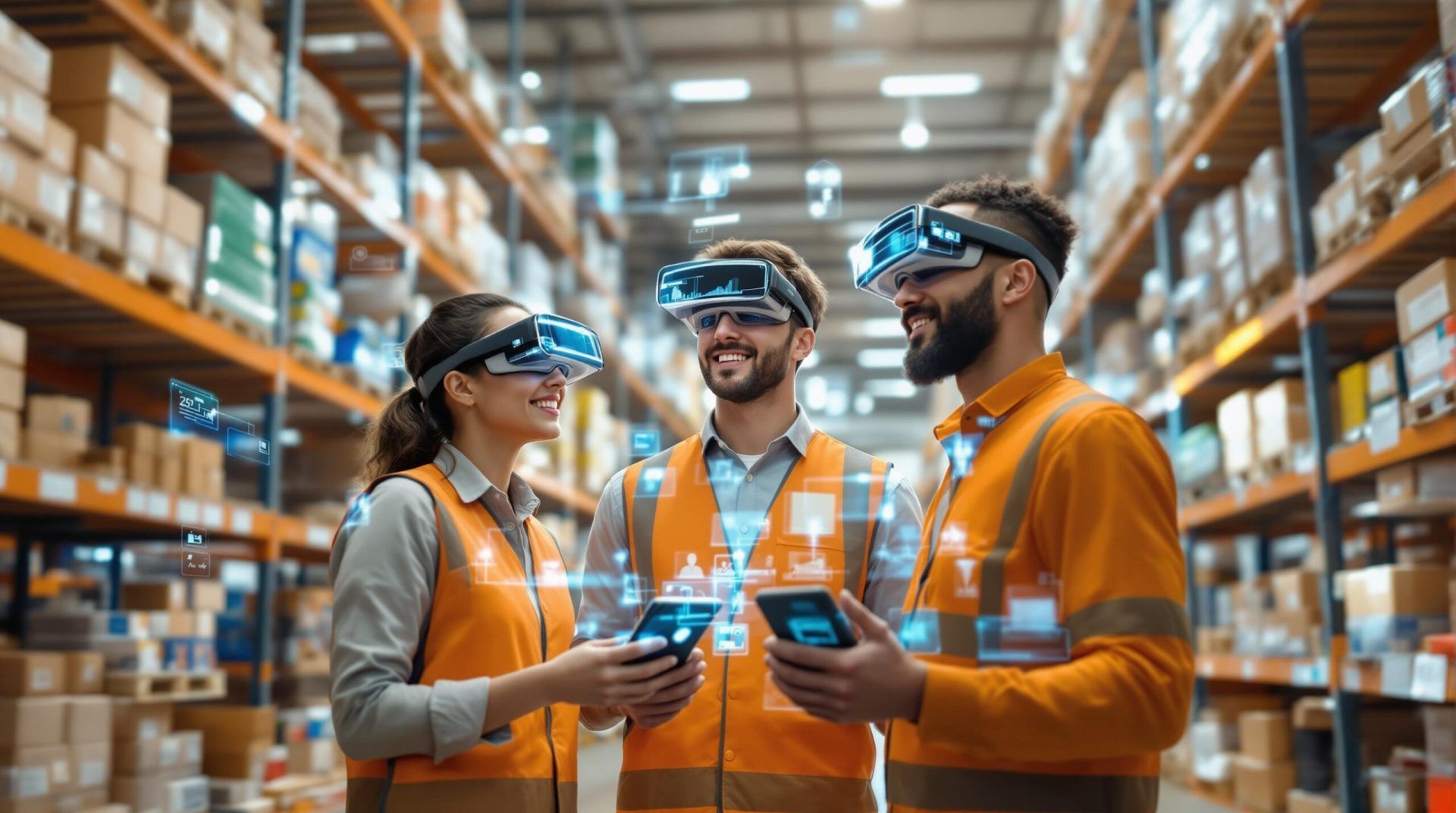
Technology is now changing that narrative. The integration of augmented reality into the pre-move phase allows retail owners to step into their future location before a single truck arrives. By using digital overlays on a smartphone or tablet, a shop owner can see exactly how their inventory and displays will fit into a new footprint. This shift toward high tech visualization is not just about fancy gadgets. It is about removing the high stakes guesswork that has long defined commercial relocations.
The New Standard for Commercial Logistics
As businesses look for more precision, the most reliable movers Cincinnati offers are those that embrace these modern planning tools. The transition from a small boutique to a larger showroom or from a downtown corner to a suburban shopping center requires more than just physical labor. It demands a strategic vision of the new space. When a moving team understands the digital layout created through augmented reality, the entire relocation process becomes significantly more efficient.
Retailers can now provide their relocation teams with a digital map that goes beyond basic measurements. Instead of explaining where a specific rack should go, the owner can show the team a visual representation of the finished room. This level of clarity ensures that heavy equipment and specialized displays are placed correctly the first time. It prevents the need for exhausting and expensive re-positioning on move-in day. In a competitive market, the ability to open doors quickly after a move is a massive advantage.
1. Accurate Spatial Awareness and Depth Perception
One of the greatest challenges in retail design is understanding how a space feels once it is occupied. An empty room always looks larger than it actually is. Augmented reality tools solve this problem by allowing owners to place virtual 3D models of their existing fixtures into the new environment. This gives a realistic sense of scale that a flat drawing simply cannot replicate.
When a business owner uses these tools, they can identify potential bottlenecks in high traffic areas. They can see if a clothing rack leaves enough room for a stroller or a wheelchair to pass comfortably. This early detection of spatial issues allows for adjustments to be made to the inventory list or the layout well before the move begins. It transforms the planning process from a series of estimates into a concrete plan based on visual evidence.
2. Enhancing Customer Flow and Psychology
Retail success depends heavily on how a customer moves through the store. There is a science to the way people turn when they enter a shop and where their eyes naturally land. Augmented reality allows retailers to test different floor plans to see which one creates the most inviting atmosphere. By virtually walking through the store, an owner can simulate the customer journey from the front door to the point of sale.
- Testing the visibility of promotional endcaps from the entrance.
- Ensuring the checkout area remains visible but does not create a crowded sensation near the door.
- Verifying that window displays do not obstruct the view of the interior from the street.
- Checking the placement of lighting fixtures to ensure there are no unintended shadows on the merchandise.
This level of detail ensures that the new store is optimized for sales from the very first hour of operation. It allows the business to maintain its momentum during a period that is usually characterized by disruption.
3. Minimizing Physical Strain and Labor Costs
Moving day is often the most expensive part of a relocation because of the sheer amount of labor involved. Every time a heavy display case is moved and then moved again because it does not look right, the clock is ticking. By finalizing the layout in a virtual space, the physical labor is streamlined.
Professional movers Cincinnati businesses rely on can work much faster when they have a definitive guide. There is no standing around waiting for a manager to decide which wall a shelf should go on. The digital plan serves as a blueprint for the entire crew. This efficiency translates directly into lower costs for the business owner. It also reduces the physical wear and tear on the moving team and the equipment itself. When items are handled fewer times, the risk of accidental damage drops significantly.
4. Safety and Compliance Verification
Every retail space must adhere to specific safety codes and accessibility standards. This includes maintaining clear paths to emergency exits and ensuring that aisles meet the requirements of the Americans with Disabilities Act. Trying to calculate these distances on the fly during a move is stressful and prone to error.
Using augmented reality during the planning stage allows for precise measurements of every walkway. Owners can virtually place their counters and displays and then use digital measurement tools to ensure every inch is compliant with local regulations.
- Confirming that fire extinguishers remain accessible and unobstructed.
- Checking the swing radius of dressing room doors against nearby fixtures.
- Ensuring that exit signs are visible from every corner of the sales floor.
- Measuring the distance between shelving units to guarantee easy navigation for all customers.
By addressing these issues in the digital realm, a business avoids the risk of failed inspections or the need for emergency renovations after they have already moved in.
5. Inventory Scaling and Selection
Not every piece of furniture from an old location will necessarily fit or look right in the new one. Many retail moves involve a change in square footage or a different architectural style. Augmented reality helps owners decide what to bring, what to sell, and what to replace.
An owner can take a photo of an old display unit and “place” it in the new storefront via an app. If the piece looks outdated or takes up too much room, they can choose to leave it behind. This prevents the unnecessary expense of moving items that will ultimately be discarded. It also allows for a more curated and intentional design for the new location. Instead of trying to force old pieces into a new space, the owner can visualize a fresh start.
6. Bridging the Communication Gap
Relocating a business is a collaborative effort involving owners, managers, staff, and the moving crew. Miscommunications are common when people are working from different mental images of what the final result should look like. Augmented reality creates a shared visual language.
When everyone can see the same 3D model on a screen, the margin for error shrinks. Managers can show employees exactly where their new workstations will be, which helps reduce the anxiety often associated with workplace changes. Staff can even provide feedback on the practicality of the layout based on their daily routines. This collaborative approach leads to a more functional workspace and a team that feels involved in the transition.
7. Reducing Downtime and Accelerating Reopening
For a retail business, every day the doors are closed is a day of lost revenue. The primary goal of any relocation is to get back to business as quickly as possible. The use of AR tools significantly shortens the time it takes to set up the new shop. Because the plan is already vetted and visualized, the moving day becomes an execution of a pre-set strategy rather than a day of creative problem solving.
Once the movers Cincinnati residents trust have placed the large items according to the digital map, the staff can immediately begin stocking shelves. There is no delay caused by indecision or furniture moving. This speed is essential for maintaining customer loyalty and ensuring that the transition does not negatively impact the bottom line. A move that might have taken a week of setup can often be completed in a few days when the planning is this precise.
Going Forward
By utilizing these tools, a retailer can walk into their new space with total confidence. They know the flow works, they know the equipment fits, and they know the customers will find the environment welcoming. The technology serves as a bridge between the old and the new, ensuring that the brand identity remains intact even as the address changes. While the physical labor of moving will always be necessary, the mental burden of planning has been forever lightened by the power of digital visualization. This grounded approach to relocation is not about the novelty of the tech, but about the very real, practical benefits of clarity, efficiency, and peace of mind.


