



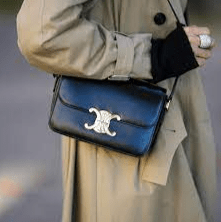
In an era where fashion continues to blur the lines between luxury, accessibility, and identity, one particular trend has grown exponentially: the rise of Celine replica bags. Once viewed with skepticism, replicas are now finding favor among style-conscious consumers who seek design excellence without the weight of exclusivity or the pressure of brand gatekeeping.
As we enter 2025, this shift isn’t just a blip in fashion culture—it’s part of a broader conversation about value, taste, and autonomy. Celine, known for its understated elegance and timeless silhouettes, sits at the center of this evolution.
Celine’s Cultural Influence and the Rise of Replica Demand
Celine under Hedi Slimane has created a unique aesthetic—minimalist yet expressive, rigid yet romantic. From the streamlined Celine Triomphe shoulder bag replica to the sculptural 16 bag, the brand speaks to a new generation that values both quiet luxury and powerful self-presentation.
As Celine bags have grown in cultural cachet, so has the demand for more accessible versions. Replicas, particularly high-quality ones, are no longer just about affordability—they’re about participation. They allow consumers to embody a visual identity once limited to fashion elites.
In 2025, the Celine replica bag isn’t an attempt to deceive—it’s a reflection of how modern shoppers interpret luxury: by taste, not by price tag.
Affordability Meets Aesthetic Precision
What’s fueling this popularity surge? A major factor is price sensitivity amidst inflation and shifting spending habits. Luxury prices have skyrocketed in the past three years, making many designer items—Celine bags included—out of reach for younger consumers, creatives, or professionals who prioritize rent, student loans, or savings.
Replica bags offer a middle ground: craftsmanship, design, and trend alignment without financial strain. The best ones now mirror original materials, stitching patterns, and proportions with astonishing accuracy.
Consumers are no longer just buying “cheap knockoffs”—they’re investing in well-constructed, inspired pieces that deliver daily wearability and visual polish.
The “Authenticity” Debate Is Evolving
Traditionally, the fashion industry has framed authenticity around ownership: if it’s real, it’s valuable. But in 2025, authenticity is less about brand labels and more about how an item integrates into someone’s lifestyle, values, and self-expression.
A Celine replica bag carried with confidence, styled intentionally, and integrated seamlessly into an outfit may appear more “authentic” in spirit than an untouched original hiding in a dust bag.
This redefinition is being driven in part by Gen Z and younger Millennials who question traditional hierarchies, value transparency, and reject exclusivity as a virtue.
Globalization & TikTok Trends Accelerate the Shift
Social media, especially TikTok, has accelerated the normalization of replicas. Creators frequently showcase “dupes” or side-by-side comparisons between originals and high-end replicas. Many explicitly label their finds as “faux Celine,” “inspired design,” or “super fake”—removing shame and creating open dialogue.
At the same time, global e-commerce platforms and more transparent suppliers have made it easier for fashion-savvy individuals to access high-quality Celine replicas. With videos demonstrating quality checks, stitching detail, and even material testing, trust has grown significantly.
The result Buying a replica is now often a considered, informed decision—not a hidden, last-resort choice.
Psychological Value: Replicas as Empowerment
In today’s market, owning a Celine replica isn’t just a budget decision—it’s a psychological shift. It reflects a move toward intentional, values-based consumption.
People are choosing replicas because:
They want the silhouette, not the logo
They prioritize daily practicality over brand loyalty
They believe fashion should be inclusive, not elitist
The Celine Triomphe, for example, has become a symbol of understated elegance. For many, carrying a Triomphe-inspired replica is not an act of imitation, but of alignment—with the aesthetic, not necessarily the price point.
Quality Has Changed the Conversation
It’s important to acknowledge the leap in replica quality over the past decade. Where once “fake bags” were synonymous with poor stitching and plasticky materials, today’s best Celine replicas often feature:
Genuine leather or eco-leather alternatives
Sturdy, weight-matched hardware
Double-stitched seams and structured lining
Accurate size and silhouette proportions
Many replicas are even handcrafted, challenging the notion that true quality is exclusive to brand-name ateliers.
This evolution has removed much of the stigma once attached to replica products, especially among fashion enthusiasts who care deeply about materials, silhouette, and form.
A Practical Fashion Investment
While the word “investment” is traditionally reserved for authentic luxury goods, replicas offer a different kind of return: the freedom to use your bag as intended. No anxiety over scratches, rain, or wear. No pressure to preserve resale value.
For travelers, stylists, and those building a capsule wardrobe, Celine-inspired bags offer versatility, durability, and peace of mind. You can pack it, wear it, and live your life without hesitation.
Conversations Are Changing in Fashion Media
2025 marks a cultural shift in how we talk about fashion access. More editors and influencers are acknowledging the role of replica culture in democratizing taste.
High-end design has become more about interpretation than acquisition. Articles on sustainability, conscious consumption, and cost-per-wear often include replicas as legitimate tools for navigating fashion with both style and intention.
The narrative is shifting from “real vs. fake” to “what fits your life.”
A Cultural Shift, Not Just a Fashion Trend
The rise of Celine replica bags isn’t just a trend—it’s a cultural reorientation around luxury, identity, and design. As fashion becomes more transparent, inclusive, and values-driven, the role of high-quality replicas will only grow.
These bags don’t pretend. They participate. They allow individuals to explore silhouette, structure, and aesthetic without surrendering to gatekeeping or inflated prices.
And for those who admire the house of Hermès as well, similar conversations are already taking shape around hermes handbags replicas—further proof that luxury, in 2025, is no longer about labels. It’s about how you wear it, why you wear it, and what it says about you.


