



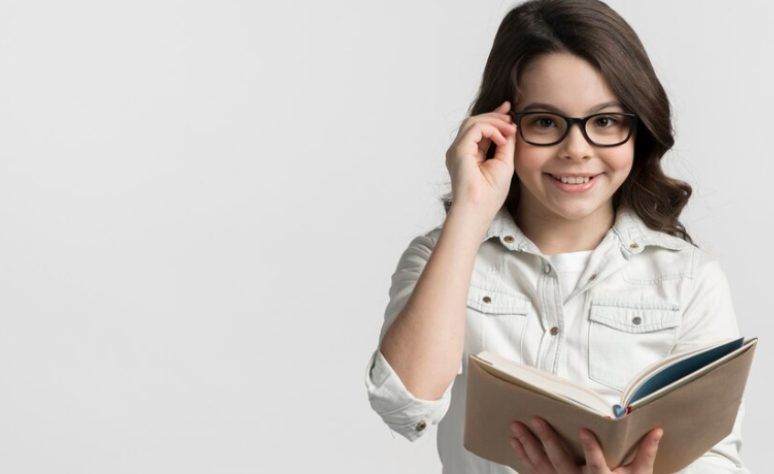
“Discover Top Quality Reading Glasses for Kids. Boost their Comfort and Learning Experience. Because clear vision matters!”
Vision is one of the most critical aspects of a child’s development. From reading books to interacting with digital screens and engaging in classroom activities, clear eyesight plays a vital role in learning and daily experiences. However, some children may experience difficulties in seeing up close, leading to eye strain, headaches, and difficulty concentrating. In such cases, reading glasses for kids can be an effective solution. While reading glasses are commonly associated with older adults, they are also essential for children who have vision challenges that affect their near vision. Understanding the signs, benefits, and considerations when choosing reading glasses for kids can help parents and caregivers make informed decisions that support their child’s eye health and academic performance.
Signs That a Child May Need Reading Glasses
Recognizing when a child needs reading glasses is crucial for addressing vision problems early. Unlike adults, children may not always communicate their vision struggles, making it important for parents and teachers to observe behavioral cues. Some common signs include:
- Frequent Squinting or Eye Rubbing – If a child squints often or rubs their eyes frequently, it could indicate eye strain from struggling to focus.
- Headaches and Eye Fatigue – Complaints of headaches or eye discomfort, especially after reading or screen time, may suggest vision strain.
- Holding Books or Screens Too Close – Children who bring books, tablets, or homework too close to their face may be compensating for difficulty seeing clearly.
- Difficulty Maintaining Focus – If a child loses their place while reading, skips words, or has trouble concentrating on near tasks, their vision could be a contributing factor.
- Avoidance of Reading and Schoolwork – A lack of interest in reading or frustration with school assignments may stem from underlying vision problems rather than a lack of motivation.
If any of these symptoms persist, a comprehensive eye exam with an optometrist is recommended to determine whether reading glasses are necessary.

Understanding the Need for Reading Glasses in Kids
Unlike adults who develop presbyopia with age, children needing reading glasses often have other vision conditions such as:
- Hyperopia (Farsightedness) – This condition makes it difficult for children to focus on nearby objects, leading to strain when reading or writing.
- Accommodative Dysfunction – Some children struggle with adjusting their focus between different distances, making reading more challenging.
- Convergence Insufficiency – This occurs when the eyes have trouble working together while focusing on near objects, causing discomfort or double vision.
A proper diagnosis from an eye care professional ensures that the child receives the correct prescription and guidance for wearing reading glasses effectively.
Choosing the Right Reading Glasses for Kids
When selecting reading glasses for a child, several factors should be considered to ensure comfort, durability, and effectiveness:
- Correct Prescription – An optometrist’s assessment is essential to ensure the child gets the proper lenses to correct their vision accurately.
- Frame Material and Fit – Lightweight, flexible, and durable frames made of materials like acetate or soft plastic are ideal for children. The glasses should fit well without slipping or causing discomfort.
- Lens Type – Depending on the child’s needs, lenses may include anti-glare coatings, blue light protection, or shatter-resistant materials for safety.
- Adjustability and Comfort – Adjustable nose pads and temples can enhance the fit and make wearing glasses more comfortable for long periods.
- Style and Appeal – Allowing children to choose their frame style and color can boost their confidence and willingness to wear glasses regularly.
Encouraging Kids to Wear Their Reading Glasses
Some children may resist wearing reading glasses, especially if they feel self-conscious. Parents and caregivers can encourage them by:
- Explaining the Benefits – Help them understand how glasses improve their vision, reduce discomfort, and make reading easier.
- Setting a Positive Example – If family members wear glasses, normalizing their use can make a child feel more comfortable.
- Choosing Fun and Stylish Frames – Letting kids pick their own frames makes wearing glasses more enjoyable.
- Gradual Adjustment – Encouraging short periods of wear and gradually increasing usage can help a child adapt comfortably.
- Providing Praise and Encouragement – Complimenting their glasses and acknowledging their efforts can boost confidence.
The Role of Regular Eye Exams
A child’s vision can change over time, making regular eye check-ups essential for maintaining optimal eye health. Pediatric eye exams should be scheduled at least once a year or as recommended by an optometrist. Regular visits ensure that the prescription remains accurate and any potential eye health concerns are addressed promptly.
Conclusion
Reading glasses can be a transformative tool for children who struggle with near-vision difficulties. Recognizing the signs of vision problems early, seeking professional guidance, and choosing the right glasses can significantly enhance a child’s reading experience and overall well-being. By fostering a positive attitude toward wearing glasses and ensuring regular eye check-ups, parents can help their children navigate the world with clear and comfortable vision. Investing in proper eye care from an early age sets the foundation for lifelong visual health and academic success.


