



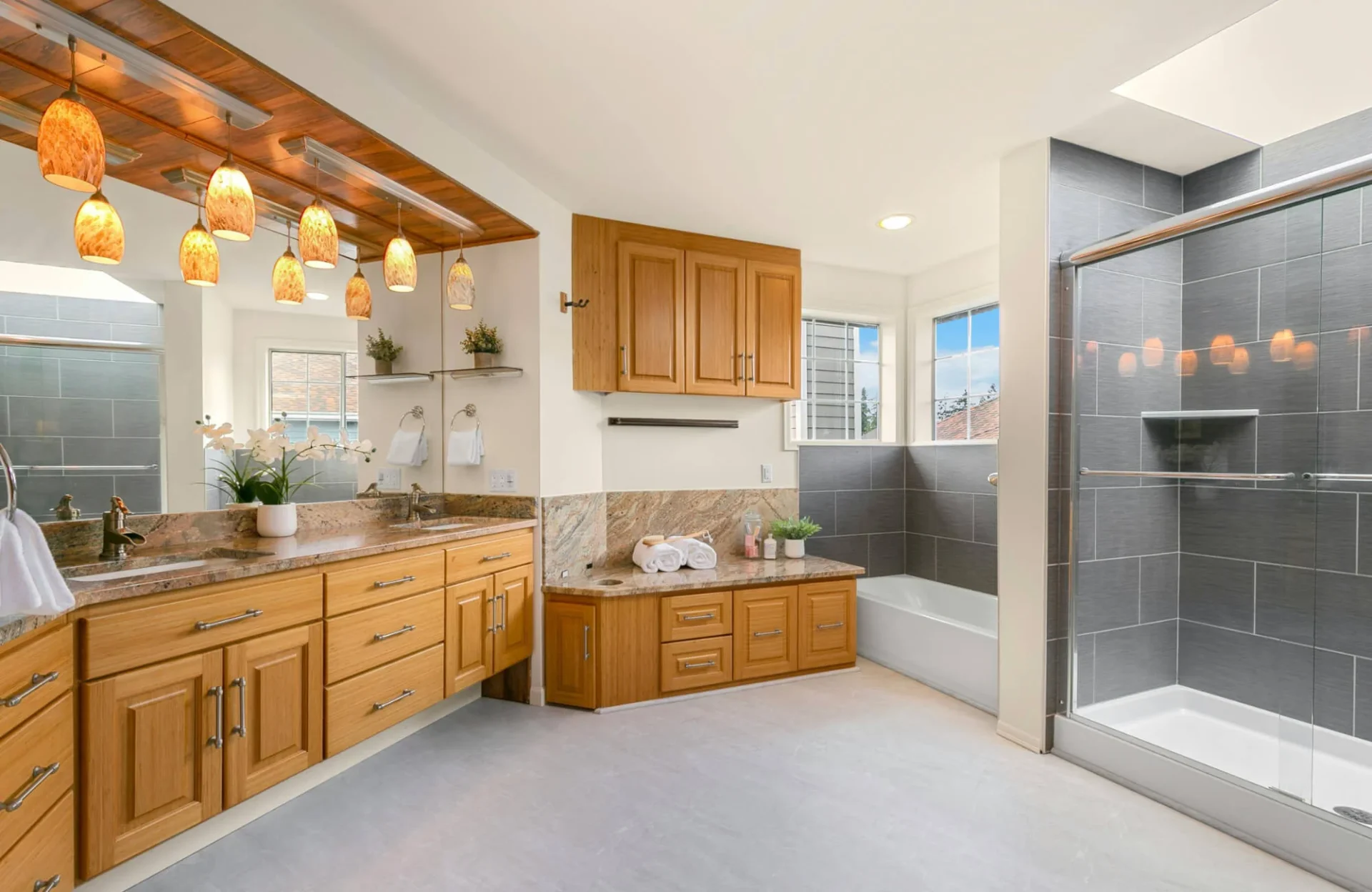
Bathroom interiors have undergone a noticeable transformation in recent years, shifting away from overly polished, uniform spaces toward environments that feel grounded, tactile, and connected to natural materials. Designers and homeowners increasingly seek balance between modern simplicity and organic warmth, creating rooms that feel comfortable rather than clinical. This evolution has elevated natural wood finishes from occasional accents to central design elements, and among all wood species, white oak has emerged as one of the most influential materials shaping contemporary bathroom aesthetics.
A white oak vanity represents more than a stylistic preference; it reflects a broader movement toward authenticity in interior design. Unlike painted cabinetry that conceals material character, white oak celebrates natural grain patterns and subtle tonal variation. These qualities introduce visual depth without overwhelming the space, making the bathroom feel layered and refined while maintaining calmness. The material bridges the gap between minimalism and warmth, allowing modern bathrooms to feel inviting rather than stark.
One of the primary reasons white oak has gained popularity is its versatility across design styles. In Scandinavian-inspired interiors, it enhances light-filled spaces through soft, natural tones that complement neutral palettes. In organic modern designs, it pairs seamlessly with stone, plaster textures, and matte finishes. Even in transitional or traditional settings, white oak cabinetry introduces a contemporary freshness without clashing with classic architectural elements. This adaptability makes it appealing to homeowners seeking longevity rather than trend-driven choices.
The visual character of white oak plays a significant role in its appeal. Its grain pattern is pronounced enough to provide texture but subtle enough to remain elegant. Unlike darker woods that can feel heavy, white oak reflects light gently, helping bathrooms feel brighter and more open. This effect becomes particularly valuable in spaces where natural light may be limited, as the wood contributes warmth without visually shrinking the room.
Material performance also supports its growing use in bathrooms. White oak is known for its density and durability, characteristics that help it withstand daily wear. When properly sealed, it performs well in humid environments, resisting moisture absorption more effectively than many softer woods. Advances in protective finishes further enhance its suitability, allowing homeowners to enjoy natural wood aesthetics without sacrificing practicality.
Designers often emphasize the emotional quality of natural materials, and white oak excels in this regard. Bathrooms filled with synthetic surfaces can feel cold despite high-end finishes. Introducing wood softens the environment, creating a sense of comfort that aligns with modern wellness-oriented design principles. The presence of natural grain subtly connects the space to nature, reinforcing feelings of calm and relaxation.
Color harmony is another reason white oak integrates easily into modern bathrooms. Its neutral undertone allows it to pair with both warm and cool palettes. It complements marble and quartz countertops, balances darker tiles, and works equally well alongside brushed brass, matte black, or polished nickel hardware. This flexibility reduces the risk of design conflicts and helps ensure the bathroom remains visually cohesive over time.
Finishing choices significantly influence the final appearance of a white oak vanity. Natural finishes highlight grain variation and create an organic look that evolves gracefully with age. Light stains can emphasize texture while maintaining brightness, whereas darker stains introduce depth and contrast without losing the wood’s characteristic pattern. Designers often favor matte or satin finishes because they enhance authenticity and reduce glare.
Another contributing factor to the material’s rise is its compatibility with minimalist design principles. Modern interiors increasingly focus on fewer, higher-quality elements rather than excessive decoration. A well-crafted white oak vanity can act as both functional storage and visual centerpiece, eliminating the need for additional ornamentation. Its inherent texture provides interest without relying on complex detailing.
The relationship between wood and surrounding materials is crucial to successful integration. White oak pairs particularly well with natural stone surfaces, handmade tiles, and textured walls. These combinations create layered compositions where each material contributes subtle variation rather than competing for attention. The result feels cohesive and thoughtfully curated.
Lighting further enhances the beauty of white oak. Warm lighting tones enrich the wood’s natural color, while directional lighting highlights grain texture and surface depth. Under-cabinet lighting can create a floating effect, emphasizing craftsmanship and adding visual sophistication during evening hours.
Sustainability considerations also influence growing demand. Many homeowners increasingly prioritize materials that age well and reduce the need for frequent replacement. High-quality wood cabinetry aligns with this mindset by offering longevity and repairability. Responsible sourcing practices further support environmentally conscious renovation decisions.
Maintenance requirements remain manageable when finishes are properly applied. Routine cleaning and occasional care preserve the wood’s appearance, while minor wear often enhances character rather than diminishing value. Unlike painted finishes that may show chips or scratches prominently, natural wood tends to age gracefully.
White oak’s popularity also reflects a broader cultural shift toward authenticity in home environments. Interiors are increasingly designed to feel personal and grounded rather than perfectly staged. Natural materials introduce subtle imperfections that make spaces feel lived-in and comfortable, qualities that resonate strongly in contemporary design philosophy.
Successful implementation benefits from a structured planning approach:
- Select a finish that complements overall lighting conditions within the bathroom.
- Balance the warmth of wood with cooler materials such as stone or tile for visual contrast.
- Coordinate hardware finishes to enhance rather than compete with the wood tone.
- Ensure protective sealing appropriate for humid environments.
- Use lighting strategically to highlight texture and depth.
- Maintain a cohesive palette across flooring, walls, and cabinetry.
- Prioritize craftsmanship and construction quality to maximize longevity.
The continued rise of white oak vanities demonstrates how modern bathroom design values emotional comfort alongside functionality. Rather than relying on bold trends, designers increasingly choose materials that create enduring appeal through texture, warmth, and adaptability.
As bathrooms evolve into spaces focused on wellbeing and daily restoration, materials that foster calm and authenticity naturally gain prominence. White oak succeeds because it balances modern simplicity with timeless character, allowing bathrooms to feel both contemporary and deeply welcoming. Its ability to adapt across styles while maintaining visual warmth ensures its place as one of the defining materials in modern bathroom design.


