



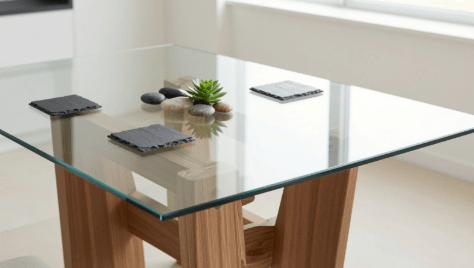
The square glass table top is more than just a piece of glass; it’s a versatile design element that offers an exceptional blend of modern aesthetics, protective functionality, and spatial efficiency. In the world of interior design, where clarity and clean lines reign supreme, the square glass table top has emerged as a favorite for homeowners and designers alike.
This comprehensive guide explores everything you need to know about this contemporary classic, from its unique benefits and varied uses to the essential specifications and maintenance tips that ensure its lasting brilliance.
The Unmatched Appeal of the Square Shape
While glass tabletops come in various shapes—round, rectangular, and oval—the square silhouette holds a special place. Its geometric symmetry offers a balanced, harmonious look that grounds a room and complements a wide range of décor styles, from minimalist and contemporary to transitional and traditional.
Maximizing Space and Seating
One of the key practical advantages of the square glass table top is its efficiency in smaller or more compact areas. Unlike rectangular tables, which can feel bulky, the square shape naturally facilitates intimacy and equal seating on all sides, making it ideal for four-person dining arrangements, cozy kitchen nooks, or small conference rooms.3 Its four right angles also allow it to be tucked neatly into a corner, maximizing floor space.
The Illusion of Openness
As with all glass furniture, the inherent transparency of a glass table top plays a crucial role in interior design. It allows light to pass through, reducing the visual “weight” of the furniture and preventing a room from feeling cluttered or heavy. This effect is particularly impactful in smaller spaces, where a glass top can make the area appear significantly larger, airier, and brighter.
Essential Specifications: Thickness, Type, and Edge Finishes
Choosing the perfect custom square glass table top involves understanding the technical specifications that determine its strength, safety, and final appearance.
Glass Thickness: The Foundation of Durability
The intended use of the glass top dictates the required thickness. Using the correct thickness is crucial for structural integrity and a luxurious feel.
| Thickness (Inches / Millimeters) | Recommended Use | Key Characteristics |
|---|---|---|
| 1/4″ / 6mm | Protective Covers, Patio, Smaller End/Side Tables | Adequate for fully supported surfaces. Lightest option. |
| 3/8″ / 10mm | Unsupported Stand-Alone Table Tops (Smaller), Desks | Provides substantial durability and a sturdy, attractive look. A popular middle ground. |
| 1/2″ / 12mm | Stand-Alone Dining Tables, Conference Tables | Default for high-end, heavy-duty, unsupported tops. Provides a premium, substantial feel. |
| 3/4″ / 19mm+ | Large, Luxurious, Custom Furniture | Used for maximal structural strength and a truly dramatic, heavy aesthetic. |
Glass Type: Clarity and Safety
For all table tops, tempered glass is the industry standard and highly recommended, especially in homes with children or high traffic. Tempered glass is heat-treated, making it up to four times stronger than regular (annealed) glass. If it does break, it crumbles into small, relatively harmless pebble-like pieces, rather than sharp shards.
- Clear Glass: The most common and economical choice. It has a slight green tint due to the iron content, which becomes more noticeable in thicker pieces.
- Low-Iron (Ultra-Clear) Glass: Specifically treated to minimize the greenish tint, offering maximum transparency and light transmission. This is the top choice when placing the glass over a light-colored or decorative base that you wish to showcase.
- Tinted Glass: Available in shades like grey, bronze, or smoked, adding a dramatic or sophisticated color element to the piece.
- Frosted/Opaque Glass: Provides a translucent finish, excellent for diffusing light and hiding fingerprints, smudges, or the inner workings of a table base.
Edge Finishes: The Detail That Defines
The edge of the glass is finished through a polishing process, which affects both safety and aesthetics.
- Flat Polish: The most common and modern finish. The edge is flat with a subtle 45-degree chamfer (or small angle) on the corners, giving it a clean, sleek look.
- Pencil Polish: A slightly rounded, or ‘pencil-like,’ edge profile. Often used for thinner glass or a softer, more traditional feel.
- Beveled Edge: Creates an elegant, decorative effect. The edge is cut and polished at an angle (the bevel), which slopes down from the surface to a thinner edge, catching the light and adding a layer of sophistication.
Versatile Applications in Home and Office
The square glass top is incredibly versatile, adapting to nearly any setting:
- Dining Tables: Perfect for four-seater tables, promoting intimate conversation and showcasing an artistic base.
- Coffee Tables: The ideal centerpiece for small living room seating arrangements, maximizing light and minimizing visual clutter.
- Protective Covers: Used over existing wooden furniture (dining tables, dressers, antique sideboards) to protect the surface from scratches, spills, and heat rings without obscuring the material beneath. (Recommended thickness: 1/4″ or 6mm).
- Desk Tops: Provides a sleek, modern, and easily cleanable surface for home offices or professional workspaces.
- Accent and Side Tables: Elevates small pieces of furniture, making them appear delicate yet contemporary.
Care and Maintenance for Lasting Clarity
Maintaining the pristine look of a square glass table top is simple, contributing to its low-maintenance appeal. Regular, correct cleaning prevents the buildup of dust and water spots that can eventually lead to micro-scratches.
Cleaning Best Practices
- Dust Regularly: Start by gently removing surface dust with a soft, clean microfiber cloth. Avoid using abrasive sponges or paper towels, which can cause hairline scratches over time.
- Use the Right Solution: A simple, budget-friendly solution of one-part white vinegar to one part water in a spray bottle works wonders for a streak-free shine. Alternatively, use an ammonia-free glass cleaner.
- Application and Wiping: Spray the cleaner directly onto the microfiber cloth, not the glass, to control the amount of liquid and prevent residue buildup on the base or surrounding elements. Wipe the glass using a circular motion, then buff it dry with a second, clean, lint-free cloth.
Protection and Longevity
- Prevent Scratches: Always use coasters, placemats, and felt pads under decorative objects, vases, and dishes. Never drag heavy items across the surface.
- Avoid Thermal Shock: While tempered glass is durable, direct contact with extremely hot items (like cookware straight from the stove) should be avoided. Use trivets to prevent potential thermal stress.
- Use Bumpers: If the glass is placed on a base or another surface, use small, clear, non-slip rubber or silicone bumpers to secure it and prevent direct contact with the base material.
Conclusion
The square glass table top stands as a testament to modern simplicity and practical design. Its clear lines and light-enhancing qualities make it a truly valuable investment, capable of transforming any space while offering unparalleled durability and easy upkeep.


