



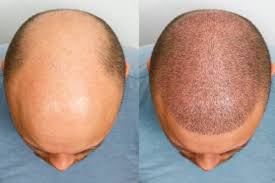
Hair transplant surgery typically takes between 4 and 8 hours, depending on the size of the case and the technique used. When patients ask how long hair transplant surgery takes, the answer varies. Smaller procedures may take 3 to 5 hours. Larger sessions with more grafts can last a full day.
The total time depends on the number of grafts, the method selected, and the precision required for placement. Most procedures are completed in one session under local anesthesia, with patients going home the same day.
Key Takeaways
- Hair transplant surgery usually takes between 4 and 8 hours, and how long the hair transplant procedure takes depends mainly on the number of grafts and the technique used.
- Smaller sessions may last 3 to 5 hours, while larger cases requiring more graft placement can extend to a full day under local anesthesia.
- Initial healing occurs within 7 to 14 days, but visible growth begins around months 3 to 4, with the final result typically seen at 12 months.
- Transplanted follicles are generally permanent and continue to grow naturally, though surrounding native hair may still thin over time.
What Determines How Long a Hair Transplant Takes?
The question how long does hair transplant take depends on measurable clinical factors. Surgeons calculate the session length before surgery based on your degree of thinning hair and the estimated number of grafts required to restore hair density.
Several variables affect procedure time:
- The total number of grafts being transplanted
- Whether the technique is FUE or FUT
- The size of the transplanted area
- The experience and size of the surgical team
A session involving 1,500 grafts may take 4 to 5 hours. Larger sessions of 3,000 to 5,000 grafts can extend to 6 to 8 hours depending on the number of grafts and surgical precision required.
FUE vs FUT – Differences in Surgical Time
Two primary methods influence how long does hair transplant procedure take12 months discussions often reference: follicular unit extraction FUE and follicular unit transplantation FUT. Both are effective, but they differ in technique and time allocation.
A fue hair transplant involves extracting individual transplanted hair follicles from the donor area. This method requires precision and may take longer during extraction, but it avoids linear scars.
In contrast, follicular unit transplantation removes a thin strip of scalp tissue, from which grafts are prepared under a microscope. FUT can be slightly faster during harvesting, but it results in a linear scar in the donor region.
Typical time comparison:
- FUE – 5 to 8 hours for moderate to large sessions
- FUT – 4 to 7 hours depending on graft count
Both techniques aim for natural looking results when performed correctly.
Step by Step Timeline on Surgery Day
Understanding the surgical timeline helps reduce anxiety and set realistic expectations. Although patients focus on how long does hair transplant surgery take, the day itself follows structured stages.
A typical procedure includes:
- Preoperative planning and hairline design – 30 to 60 minutes
- Local anesthesia administration – 20 to 30 minutes
- Graft extraction or strip removal – 2 to 4 hours
- Recipient site creation and graft placement – 2 to 4 hours
The duration shifts depending on the number of grafts. Breaks are often provided during longer sessions for comfort.
Clinics offering a hair transplant in Fort Lauderdale follow similar medical protocols, with procedure time tailored to the patient’s pattern of hair loss and long term restoration goals.
Immediate Recovery – The First 7 to 14 Days
Procedure length is only one part of the journey. Hair transplant recovery begins immediately after surgery and continues in phases.
During the first two weeks, patients typically experience:
- Mild swelling in the forehead
- Small scabs in the transplanted area
- Redness around graft sites
- Temporary shedding of existing hair
This early shedding is normal and part of the healing process. The transplanted hair follicles enter a resting phase before new growth begins.
Most patients return to non strenuous work within 3 to 5 days.
When Does Transplanted Hair Start Growing?
Patients frequently ask how long does hair transplant take to grow. New growth typically begins around month 3 or 4. At this stage, hair grows slowly and may appear thin initially.
Between months 6 and 9:
- Hair thickens gradually
- Coverage improves
- Hair density becomes more visible
By 12 months, most patients see the final result. In some cases, maturation continues up to 15 months, especially in the crown area.
It is important to understand that transplanted hair follicles continue to grow like normal hair once fully established.
Is a Hair Transplant Permanent?
Another common concern is a permanent hair transplant. The short answer is yes, transplanted hair follicles are generally resistant to the hormone responsible for pattern baldness.
However, surrounding native hair may continue thinning over time. That is why surgeons often plan long term strategies to preserve existing hair and maintain balanced density.
The transplanted area itself retains its growth characteristics permanently, provided the procedure was performed correctly and the grafts survive the healing phase.
How Many Grafts Affect Total Procedure Time?
The strongest factor influencing surgical duration is the number of grafts. More grafts require more extraction, site creation, and placement time.
General graft estimates:
- 1,000 to 1,500 grafts – 3 to 5 hours
- 2,000 to 3,000 grafts – 5 to 7 hours
- 4,000 to 5,000 grafts – 6 to 8 hours
Time increases proportionally depending on the number. Larger sessions require meticulous spacing to ensure natural looking results and proper blood supply to each graft.
Long Term Growth Timeline – Month by Month
Understanding the full timeline helps patients stay patient during recovery.
Months 1 to 3
- Shock shedding occurs
- Minimal visible growth
Months 4 to 6
- Early growing hair appears
- Texture may seem uneven
Months 7 to 9
- Noticeable thickening
- Hair grows longer and stronger
Months 10 to 12
- Density improves
- Final result becomes clearer
After 12 months, most individuals achieve mature growth patterns. The hair grows naturally and can be cut, styled, or shaved normally.
Factors That Can Extend Surgical Time
While average time ranges are predictable, some factors may extend how long does hair transplant take:
- Very large bald areas
- Curly or coarse hair types
- Scar revision cases
- Complex hairline reconstruction
Patients undergoing repeat procedures may also require additional surgical precision.
The surgeon’s experience and the team’s coordination influence efficiency, but safety and graft survival always take priority over speed.
Practical Aftercare Tips to Support Growth
Proper aftercare improves graft survival and supports the healing process. Follow your surgeon’s instructions closely to protect transplanted hair follicles.
Key aftercare practices include:
- Sleep with your head elevated for several nights
- Avoid heavy exercise for at least one week
- Gently wash the scalp as directed
- Avoid scratching or picking scabs
These measures reduce complications and improve hair transplant recovery outcomes.
Patients should also attend follow up visits to monitor progress and ensure optimal hair density development over time.
What Patients Should Realistically Expect
Surgery day may last several hours, but the real transformation unfolds gradually.
When asking how long does hair transplant surgery take, patients should consider both the procedural hours and the 12 months required to see full cosmetic improvement.
Hair grows in cycles, and transplanted hair follicles follow the same biological rhythm. Visible change happens slowly, but steady improvement is the norm.
Clear communication with your surgeon, understanding graft counts, and maintaining realistic expectations are essential for satisfaction.
A well planned transplant provides natural looking results that continue to grow and blend seamlessly with existing hair.


