






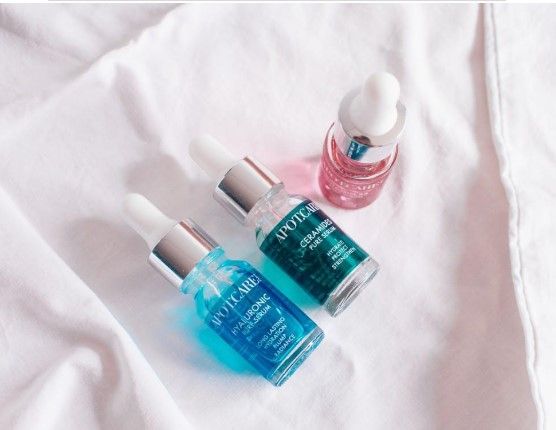
The skincare industry is thriving, with billions of dollars spent globally each year on creams, serums, and other skincare products. Consumers are increasingly educated about ingredients, product benefits, and brand ethics, making it both an exciting and challenging space for entrepreneurs. Running a successful skincare company requires more than just creating an effective product—it demands strong branding, thorough market research, and an in-depth understanding of your audience.
Skincare is not just about beauty; it’s about trust. Customers want products that deliver results, align with their values, and come from brands they can rely on. Entrepreneurs must balance quality, innovation, and effective marketing to stand out in a highly competitive market.
This article explores seven essential tips for running a successful skincare company, from creating a unique brand identity to conducting market research and building customer relationships. By following these insights, you’ll be better equipped to navigate the industry and grow a brand that resonates with consumers.
- Develop a Unique Brand Identity:
In a saturated market, your brand identity is what sets you apart. It’s not just about having a visually appealing logo or sleek packaging—it’s about creating a strong, memorable impression that communicates your values and mission.
Start by defining your brand’s story. Why did you start this skincare line? What problems are you solving? Are you focusing on clean beauty, anti-aging, or sensitive skin care? Your answers will guide every aspect of your branding, from product design to marketing campaigns.
Consistency is key. Your website, social media platforms, and packaging should all tell the same story and reinforce your brand identity. When customers recognize and relate to your brand, they are more likely to become loyal advocates.
- Conduct Thorough Market Research:
Understanding your target market is essential for creating products that people want and need. Market research helps you identify trends, analyze competitors, and spot gaps in the market.
Look at successful companies like Melaleuca for inspiration. Melaleuca has become a leader in the wellness and skincare space by offering high-quality, natural Melaleuca products backed by scientific research. The brand focuses on transparency, customer trust, and consistent product innovation.
The company’s direct-to-consumer model eliminates middlemen, ensuring affordability without compromising quality. Studying such business models can provide valuable insights into pricing, product positioning, and customer engagement.
Market research isn’t a one-time task. Trends in skincare shift quickly, so staying updated on customer preferences and emerging technologies is crucial for long-term success.
- Ensure Product Quality and Safety:
When it comes to skincare, quality is non-negotiable. Consumers apply these products directly to their skin, and any issues with safety or efficacy can damage your brand reputation irreparably.
Start by sourcing high-quality, ethically produced ingredients. If you claim to be an organic or clean beauty brand, ensure your formulations meet those standards. Avoid harmful chemicals and allergens, and be transparent about your ingredient list.
Product testing is equally important. Conduct dermatological tests and comply with industry safety regulations. Certifications like GMP (Good Manufacturing Practices) and cruelty-free seals add credibility to your brand.
In skincare, trust is everything. Customers who trust your products will not only come back but also recommend them to others.
- Develop an Effective Marketing Strategy:
A strong marketing strategy is essential to reach your target audience and grow your brand. Digital marketing, influencer partnerships, and social media platforms are some of the most powerful tools available for skincare brands.
Start with a content strategy. Share skincare tips, ingredient benefits, and tutorials on your social media pages. Video content, especially before-and-after demonstrations, performs exceptionally well on platforms like Instagram and TikTok.
Influencer marketing can also be a game-changer. Partner with skincare influencers who align with your brand values and have an engaged audience. Authentic recommendations from trusted voices can drive significant sales.
Don’t overlook email marketing. Build an email list and send updates, exclusive discounts, and helpful skincare tips directly to your subscribers.
- Build Strong Customer Relationships:
Loyal customers are the backbone of any successful skincare brand. Building strong relationships requires more than just selling products—it’s about creating meaningful connections and offering excellent customer service.
Engage with your customers regularly through social media, email, and customer feedback channels. Respond to their queries and concerns promptly and with empathy.
Encourage customer reviews and testimonials. Positive feedback builds trust, while constructive criticism helps you improve your products and services.
Consider implementing loyalty programs or referral discounts to reward repeat customers and encourage word-of-mouth marketing. A satisfied customer is not only a repeat buyer but also your most effective brand ambassador.
- Manage Finances Wisely:
Financial management is one of the most critical aspects of running a successful skincare company. Without a solid financial plan, even the best products and branding strategies can fail. Start by creating a detailed budget that accounts for production costs, marketing expenses, regulatory compliance fees, and operational overhead.
Monitor cash flow closely. Understand where your money is coming from and where it’s going. Avoid unnecessary expenses, and invest in areas that drive growth, such as product development, marketing, and customer retention.
Pricing also plays a significant role in your financial strategy. Your prices should reflect product quality, cover all expenses, and still be appealing to your target customers. Competitive research can help you set reasonable pricing that balances value and profitability.
Finally, don’t shy away from seeking professional financial advice. Accountants and financial advisors can help you manage your resources effectively and plan for sustainable growth.
- Invest in Sustainable Practices:
Sustainability is no longer just a trend—it’s a necessity in today’s skincare market. Consumers are becoming more environmentally conscious and are actively seeking brands that align with their values.
Start by choosing sustainable packaging options, such as recyclable, biodegradable, or refillable containers. Reduce plastic waste wherever possible and communicate your sustainability efforts transparently to customers.
Ethically source your ingredients, ensuring they are cruelty-free and obtained through fair trade practices. Sustainable ingredient sourcing not only reduces your environmental footprint but also builds trust with your audience.
Additionally, as a skincare company, you should adopt energy-efficient manufacturing processes to minimize resource consumption. Sustainability isn’t just good for the planet—it’s also a powerful differentiator in a crowded market.
Running a successful skincare company involves balancing creativity, strategy, and adaptability.
The skincare industry is competitive, but it’s also filled with opportunities for growth and success. By implementing these seven essential tips, you’ll be well-equipped to navigate challenges, deliver exceptional products, and build a brand that customers trust and love.
Your skincare company isn’t just about selling products—it’s about building confidence, enhancing well-being, and making a meaningful impact. With dedication, planning, and a clear vision, you can create a thriving skincare brand that stands the test of time.


