



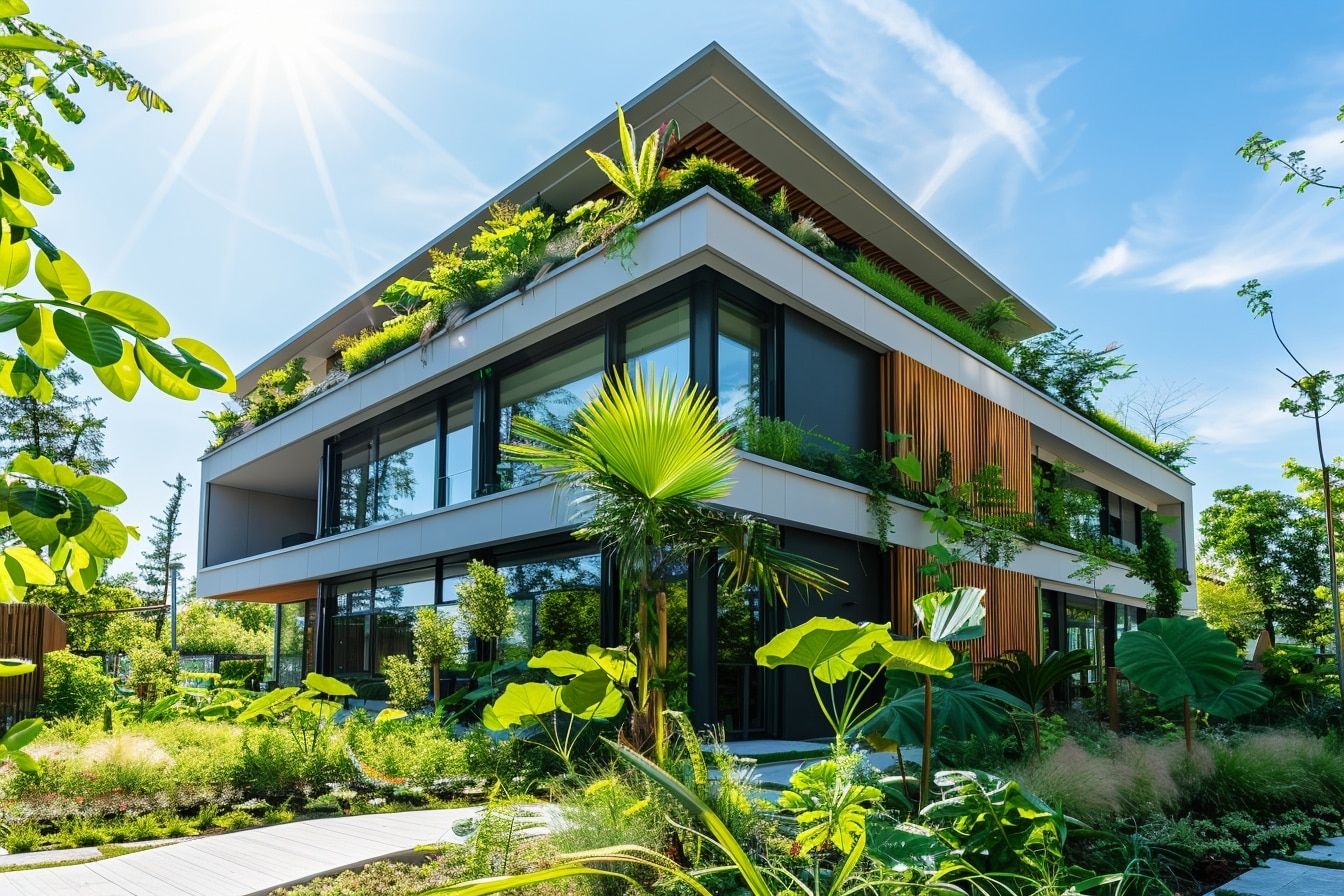
For modern executives and business leaders, a primary residence is a cornerstone asset in a broader wealth management portfolio. Much like corporate assets require regular capital expenditure to maintain operational efficiency, a private property demands strategic upgrades to protect its market valuation. By viewing renovations through the lens of long-term return on investment, homeowners can make decisions that reduce operational overheads while boosting overall equity and protecting against inflation. When evaluating which upgrades make the most financial sense, it is crucial to focus on specific design features that add lasting value to custom homes, ensuring the property remains highly desirable.
The Hidden Cost of Inefficient Architecture
Many historic or aging properties feature aesthetic charm but suffer from severe infrastructural inefficiencies. These hidden flaws act as a constant drain on household resources and can quietly erode property value over time. Outdated building materials force climate control systems to work harder, leading to inflated utility bills and accelerated wear on expensive equipment. Furthermore, properties lacking modern energy standards often face longer periods on the market when selling, as educated buyers factor in ongoing running costs.
The data behind this structural inefficiency is highly compelling for anyone analysing property investments. According to the Department of Energy, heat gain and heat loss through windows are responsible for 25% to 30% of residential heating and cooling energy use. This statistic highlights exactly why upgrading architectural fixtures is a logical wealth management decision. Allowing a quarter of your energy expenditure to seep through the glass is an unacceptable loss in any business context, and the same principle applies to household economics.
Climate-Resilient Infrastructure as a Value Driver
Addressing these structural vulnerabilities requires targeted, high-quality installations. Experienced executives understand that geography dictates strategy, and home improvement is no different. A property located in a region with distinct seasonal extremes requires robust thermal protection. For instance, investing in double glazed windows in Canberra ensures the property can handle severe temperature fluctuations without compromising indoor comfort or demanding excessive energy consumption.
Upgrading the building envelope in this way is fundamentally about long-term asset protection and risk mitigation against rising energy tariffs. By securing the property with climate-specific infrastructure, owners effectively cap their utility expenses while insulating the home against disruptive outside noise. This dual benefit of immediate financial savings and long-term lifestyle enhancement is exactly what modern buyers seek in a premium residence.
High-ROI Upgrades for the Modern Property
Not all renovations are created equal. While cosmetic changes offer temporary visual appeal, infrastructural improvements provide compounding financial benefits over decades. To future-proof a real estate asset, owners should prioritise upgrades that merge luxury with sustainability. The following modifications deliver substantial returns:
- Advanced Glazing Systems: Replacing single-pane glass with multi-layered, gas-filled units reduces thermal transfer, minimises energy waste, and blocks street noise.
- Smart Climate Integration: Installing intelligent thermostats allows homeowners to optimise energy use based on real-time weather data, ensuring systems operate at peak efficiency.
- Premium Insulation Retrofitting: Upgrading wall and ceiling cavities with high-density materials stops conductive heat loss and reinforces the structural integrity of the home.
- Solar and Battery Storage: Generating and storing power on-site shifts a property from an energy consumer to a producer, improving its appeal for eco-conscious buyers.
Elevating Lifestyle While Securing Market Equity
The intersection of luxury living and sustainable technology represents the future of premium real estate. Sophisticated buyers expect a home to function flawlessly while maintaining a minimal environmental footprint. Properties that fail to meet these standards risk notable depreciation during a future resale event.
Strategic home improvements transform a static physical structure into a highly dynamic, cost-saving asset. By investing in robust architectural upgrades, executives enjoy a superior daily living experience that promotes well-being. Thermal comfort becomes consistently reliable, acoustic privacy is guaranteed, and monthly operational costs become predictable.
Ultimately, upgrading your property is an exercise in smart capital allocation. When you prioritise energy efficiency and structural resilience, you actively future-proof your real estate asset against shifting market expectations. This approach secures a substantial return for years to come, solidifying your residence as a high-performing investment pillar.


