



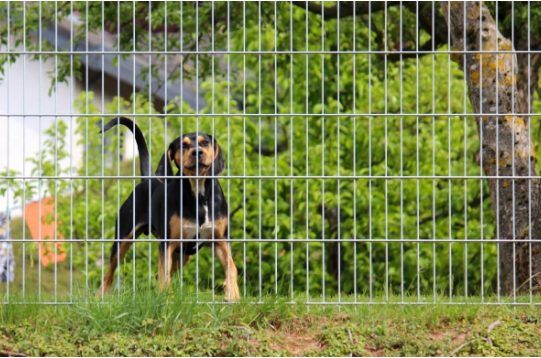
The old days of fencing are ending. For years, property owners built walls to keep animals out or in. But this caused big problems. Wildlife got trapped. Migration routes got blocked. Animals got hurt on sharp wires.
Now things are changing fast. New ideas about fencing work better for everyone. They protect property while helping wildlife, too. This shift is creating better solutions for families and farmers alike.
The Hidden Cost of Traditional Fencing
Most people don’t see what happens when we fence everything. Wild animals need to move around. They travel the same paths their families used for hundreds of years. These routes help animals reach the places they need for different seasons.
When we block these paths, animals get stuck. They can’t find food in winter. They can’t reach safe places to have babies. Some get hurt trying to jump over or crawl under fences.
Traditional fencing affects many species, from small rabbits to large deer. Even birds can get tangled in certain types of wire. This creates problems that last for generations.
The damage goes beyond individual animals. Whole ecosystems suffer when migration stops. Plants don’t get pollinated. Seeds don’t spread to new areas. The natural balance breaks down.
Smart Solutions That Work for Everyone
The best animal fencing solutions today think about wildlife from the start. These new designs protect your property without harming nature. They use smart ideas that benefit both people and animals.
Height matters more than you might think. Lower fences let larger animals like deer and foxes jump over safely. This keeps them out of your garden while giving them escape routes.
Spacing is just as important as height. Gaps between fence panels let smaller animals pass through easily. Metal railings work great for this. The spaces are big enough for rabbits and other small creatures, but small enough to keep out bigger problems.
Ground clearance helps, too. Lifting your fence bottom six inches off the ground creates highways for small animals. They can travel without getting stuck or hurt.
Some new fence designs use special materials. They reflect light so animals can see them at night. Others have smooth tops instead of sharp points. These small changes prevent many injuries.
The Virtual Fence Revolution
Technology is creating the biggest change in fencing history. Virtual fencing lets farmers manage livestock without physical barriers. This innovation could change everything.
Here’s how it works. Animals wear special collars with GPS. The collar knows where invisible fence lines are drawn. When an animal gets close to the boundary, the collar makes a sound. If they keep going, they get a small shock.
Farmers can draw fence lines right on their phone app. No posts to dig. No wire to string. No maintenance when storms hit. The fence exists only in the computer.
This technology helps wildlife in amazing ways. It allows better grassland health and wildlife movement. Animals can use their old migration routes again. The land stays open and natural.
Early versions cost too much for most people. But prices are dropping fast. The technology that started in the 1980s is finally becoming affordable. More farmers try it every year.
Building Wildlife Corridors at Home
You don’t need a big farm to help wildlife. Small changes to home fencing make a difference. Animal fencing solutions work in suburban yards, too.
Create gaps in your fence line. Leave openings every 100 feet or so. Make them about 8 inches wide and 16 inches tall. This lets most animals pass through without letting in larger problems.
Use different fence heights in different areas. Keep tall fences around gardens and play areas. Use shorter fences in back corners where kids don’t play. This gives you protection where you need it most.
Plant native shrubs along fence lines. This creates natural corridors that animals love. It also makes your property look better. Birds use these areas for nesting and feeding.
Consider seasonal fencing in some areas. Some communities require removable fence sections in wildlife corridors. You could use temporary fencing during the growing season only.
The Future is Cooperative
The best animal fencing solutions work with nature instead of against it. This approach costs less over time. It causes fewer problems. And it helps everyone in the long run.
Wildlife-friendly fencing is becoming the new standard. Private landowners play a vital role in keeping migration routes open. Your choices affect animals for miles around.
New technologies make this easier than ever. Virtual fencing will get cheaper and better. Smart fence designs will become more common. Apps will help you plan wildlife-friendly layouts.
Research continues to improve these solutions. Major wildlife crossing projects are being completed in 2025. These large projects test ideas that work for home use too.
Making the Switch
Start small when changing to wildlife-friendly fencing. Pick one section to modify first. See how it works before changing everything.
Talk to local wildlife groups. They know which animals live in your area. They can suggest the best fence modifications for your location.
Check local rules before making changes. Some areas have requirements for fence height or materials. Wildlife-friendly options usually meet these rules.
Consider the long-term benefits. Better fencing costs more upfront but saves money later. You get fewer animal problems. Your property value may increase. And you help preserve nature for future generations.
The future of fencing is cooperation, not conflict. When we work with wildlife instead of against it, everyone wins.


