



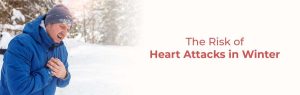

Think winter is harmless in India? Think again! Whether you are facing Delhi’s freezing fog, Bangalore’s chilly mornings, or Pune’s sudden cold spells, your heart feels the impact. Those heavy winter meals and your reduced activity also play a role. No wonder heart attacks increase dramatically during the colder months.
The good news? Understanding why winter affects your heart can help you stay safe through the season. Read on to learn more!
How Does Cold Weather Trigger Heart Attacks?
When temperatures drop, your body initiates several protective responses. Research suggests that in extreme conditions, these may place tremendous strain on your cardiovascular system. This may result in a heart attack. Let’s learn more about it below:
Blood Vessel Constriction
The primary reason for the increase in heart attacks during winter is vasoconstriction, the narrowing of blood vessels in response to cold temperatures. When exposed to cold air, your body naturally constricts blood vessels to minimise heat loss and maintain core body temperature. This survival mechanism, while protective in some ways, creates significant cardiovascular challenges.
Narrowed blood vessels force your heart to work considerably harder to pump blood throughout your body. The increased resistance elevates blood pressure, sometimes by several points. In individuals with existing arterial narrowing or blockages, the added constriction can critically reduce blood flow to the heart muscle, triggering heart attacks.
Elevated Blood Pressure
Cold weather can also raise blood pressure, which is another cause of heart attacks. A study published in the Indian Heart Journal found that blood pressure in people living in North India rises significantly during winter.
Researchers observed that both systolic and diastolic blood pressure were notably higher. Due to this, a higher number of people are classified as hypertensive during colder months compared to summer. This seasonal increase in blood pressure was more pronounced among the elderly and those living in rural areas.
Blood Clotting Changes
Research suggests that winter also promotes the pro-thrombotic state. This means that it increases blood clot formation. During colder months, the body produces higher levels of fibrinogen, a key protein involved in blood clotting, which contributes to this increased risk.
Even mild exposure to cold can also thicken the blood by raising platelet and red blood cell counts. This further increases the risk of clot formation. All of this can increase heart attack risk.
Reduced Physical Activity
Winter means shorter days and colder temperatures that discourage outdoor physical activity. Due to these, many people start following a sedentary lifestyle. They spend more time on the couch rather than exercising. Winter diets also tend to be loaded with carbs and fats, which may result in increased cholesterol levels. All of this weakens cardiovascular fitness, increasing the risk of heart attacks.
Air Quality Issues
Winter air quality presents additional cardiovascular threats. Air pollution, particularly fine particles known as PM2.5, has a major harmful impact on the heart and blood vessels. These tiny particles enter the bloodstream through the lungs and increase blood pressure, inflammation, blood clotting, and damage to blood vessels. People with existing heart disease, diabetes, or smoking habits are at greater risk. However, even healthy individuals can develop hidden heart issues like heart attacks, irregular heartbeats, and strokes.
Recognising Heart Attack Symptoms in Winter
Awareness of heart attack symptoms becomes especially important during the winter months. Here are some signs you should never ignore:
- Chest pain or discomfort
- Unexplained tiredness
- Cold sweat
- Jaw pain
- Light-headedness
- Neck pain
- Back pain
- Shoulder or arm pain
- Shortness of breath
- Nausea
- Vomiting
If you experience any of these symptoms, consult your doctor immediately.
Tips to Protect Your Heart During Winter
Winter places extra stress on your heart. But the good news is that small, mindful changes in your daily routine can significantly reduce your risk. Here is what you should do.
- Always dress in warm layers. If you are heading out, cover your head, chest, hands, and feet to prevent excessive heat loss and sudden blood vessel constriction.
- Stay physically active with light to moderate exercise like walking, stretching, yoga, or home workouts. If it is too cold outside, work out indoors.
- Eat a balanced, heart-healthy diet with plenty of fruits, vegetables, whole grains, nuts, and healthy fats. Avoid fried, salty, and processed foods.
- Monitor your blood pressure, blood sugar, and cholesterol levels regularly, especially if you already have heart-related conditions.
- Reduce alcohol intake and avoid smoking, as they can increase your risk of heart disease.
- Seek medical advice promptly if you notice unusual symptoms like chest discomfort, breathlessness, extreme fatigue, or dizziness.
Final Thoughts
Cold temperatures, higher blood pressure, reduced activity, and poor air quality – all of them can strain your heart. That is why there is a surge in heart attacks during winter. But the good news is that this is a manageable health risk. The key to staying safe lies in awareness, timely lifestyle changes, and regular health monitoring.
Winter is the right time to be extra vigilant about your blood pressure and heart health, especially if you have a family history of hypertension or heart disease. Preventive screening can help detect early warning signs before they turn into emergencies. You can choose LifeCell’s Ayushman Hypertension Care for it. To learn more, visit www.lifecell.in.


