



The Need for New Approaches
While therapy and medication remain the most common mental health treatments, they don’t work for everyone. Many individuals face treatment-resistant depression, anxiety, OCD, or other conditions that fail to improve with traditional options. For these patients, innovative therapies like Transcranial Magnetic Stimulation (TMS) are reshaping the future of care.
What Makes TMS Different
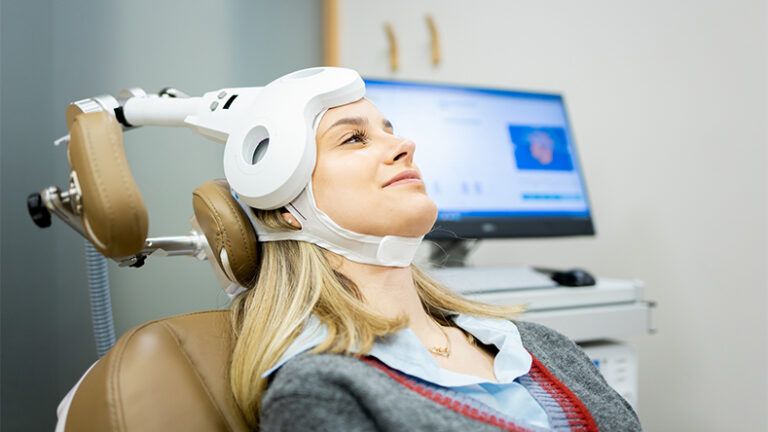
TMS is a non-invasive treatment that uses magnetic pulses to stimulate specific regions of the brain associated with mood regulation. Unlike medications, which affect the entire body, TMS targets only the areas that need support. This makes it a powerful option for those who want effective treatment without the systemic side effects often associated with long-term prescriptions.
How Brain Stimulation Works
When areas of the brain become underactive, they can contribute to symptoms such as persistent sadness, fatigue, or loss of interest in daily life. TMS gently reactivates these regions, encouraging new neural connections and improving communication within the brain. Over time, these changes can help restore balance and reduce symptoms of depression and other conditions.
Benefits Beyond Medication
One of the biggest advantages of TMS is its ability to deliver results without the challenges of traditional medications. Patients don’t have to deal with common side effects like weight changes, drowsiness, or digestive issues. In addition, many begin to notice improvements within weeks, making it faster-acting than many standard treatments.
Conditions TMS Can Address
Though TMS is most commonly associated with depression, its benefits extend further. It has been used successfully to support individuals with:
- Anxiety disorders
- Obsessive-compulsive disorder (OCD)
- Post-traumatic stress disorder (PTSD)
- Chronic stress-related conditions
By stimulating the brain in safe and controlled ways, TMS offers hope for individuals who may have felt stuck with few other options.
The Role of Structure and Support
TMS treatment is typically administered over several sessions each week for a set period, creating structure and consistency for patients. This schedule not only ensures steady progress but also reinforces accountability, helping individuals remain engaged in their recovery journey.
When combined with therapy and lifestyle adjustments, TMS becomes part of a holistic plan that supports both immediate symptom relief and long-term stability.
Why Awareness Is Essential
Despite its effectiveness, many people still don’t know about TMS or believe it’s out of reach. Raising awareness about its benefits and accessibility is critical to connecting individuals with the help they need. This is where professional outreach becomes invaluable.
Specialized marketing for TMS clinics helps providers educate communities, build trust, and highlight how TMS can transform lives. By focusing on clarity and compassion, clinics can show prospective patients that innovative, effective care is closer than they think.
A New Chapter in Mental Health Care
Brain stimulation is transforming how we think about mental health. For those who have struggled with limited results from traditional methods, TMS offers a new path forward—one rooted in science, innovation, and hope.
By combining advanced technology with professional oversight, TMS doesn’t just reduce symptoms; it empowers individuals to reclaim balance and strength in their daily lives. As awareness grows, it will continue to reshape the landscape of mental health care, giving countless people a chance at the relief they deserve.


