



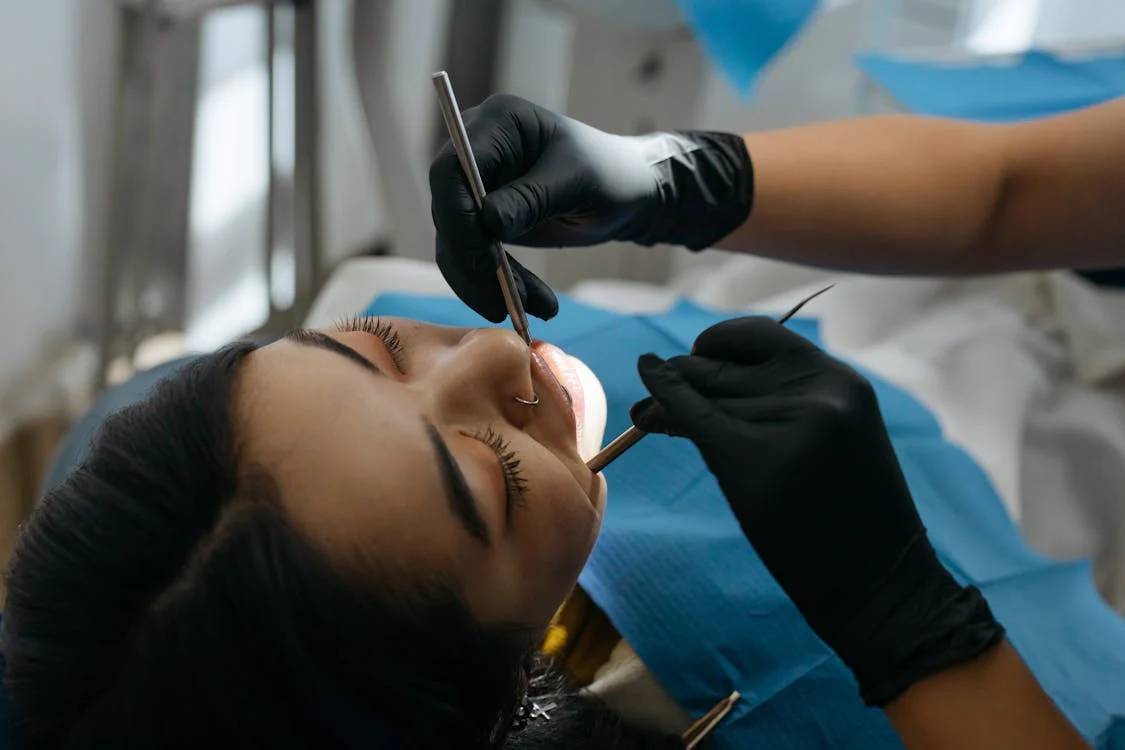
Dental emergencies can strike at any time, leaving you in pain, worried, and unsure of what steps to take. Whether it’s a sudden toothache, a chipped tooth, or a dental trauma caused by an accident, knowing how to respond effectively can save you discomfort and even preserve your smile. For those in Chicago, you’re fortunate to have a variety of dental resources at your disposal. Here’s a comprehensive guide on how to handle dental emergencies in the Windy City.
Common Dental Emergencies and How to Address Them
Before diving into where to go for help, it’s important to understand the different types of dental emergencies and the initial steps you can take.
1. Severe Toothache
A toothache can stem from several issues, including cavities, infections, or gum disease. If you experience severe pain:
- Step 1: Rinse your mouth with warm water to clean the area.
- Step 2: Use dental floss to remove any lodged food particles.
- Step 3: Apply a cold compress to reduce swelling and numb the pain.
- Step 4: Avoid painkillers directly on the gum, as this can cause tissue damage.
Seek immediate attention from a dentist if the pain persists or worsens.
2. Chipped or Broken Tooth
A broken tooth can be caused by biting into something hard or from physical trauma.
- Step 1: Save any broken pieces and rinse your mouth with warm water.
- Step 2: Apply gauze to the area if there’s bleeding, and hold a cold compress to your cheek to manage swelling.
- Step 3: Avoid chewing on the broken tooth and contact a dentist right away.
3. Knocked-Out Tooth
Time is of the essence when dealing with a knocked-out tooth.
- Step 1: Handle the tooth carefully, holding it by the crown (top) and avoiding the root.
- Step 2: Rinse the tooth gently with water without scrubbing.
- Step 3: Try to place the tooth back in its socket if possible. If not, store it in milk or saliva.
- Step 4: Visit an emergency dentist within 30 minutes for the best chance of saving the tooth.
4. Lost Filling or Crown
A missing filling or crown can expose sensitive areas of your tooth.
- Step 1: Keep the area clean by rinsing your mouth with warm water.
- Step 2: Use temporary dental cement (available at drugstores) to protect the area until you can see a dentist.
- Step 3: Avoid chewing on the affected side.
5. Abscess or Infection
A dental abscess is a potentially serious condition caused by infection. Symptoms include severe pain, swelling, and fever.
- Step 1: Rinse your mouth with warm salt water to reduce pain and draw out pus.
- Step 2: Do not attempt to pop the abscess yourself.
- Step 3: Seek immediate dental care, as untreated infections can spread and lead to severe health complications.
Finding Emergency Dental Care in Chicago

Living in a bustling city like Chicago means you have access to a wide array of dental professionals who specialize in emergency care. Here’s how to find the right help:
1. Search for Emergency Dental Clinics
Many dental clinics in Chicago offer emergency services and extended hours. Use online resources, reviews, or recommendations to identify reputable clinics nearby.
2. Contact Your Regular Dentist
If you already have a dentist, reach out to their office. Many practices reserve same-day appointments for emergencies.
3. Visit an Urgent Care Facility
If your dental emergency occurs outside of normal business hours, some urgent care facilities in Chicago can provide temporary pain relief and referrals to dentists.
Preparing for Dental Emergencies
Being prepared can make a big difference in how you handle a dental emergency. Here are some steps to take:
1. Create a Dental First Aid Kit
Stock a kit with essentials like:
- Gauze
- Dental floss
- Temporary dental cement
- Pain relievers (non-aspirin)
- Cold compress
2. Have Emergency Numbers Handy
Keep the contact information of your dentist and nearby emergency dental clinics saved in your phone.
3. Understand Your Insurance Coverage
Check if your dental insurance covers emergencies and identify the clinics in Chicago that accept your plan.
Preventing Dental Emergencies
While not all emergencies are avoidable, following good dental hygiene practices can significantly reduce your risk.
1. Wear a Mouthguard
If you participate in sports or grind your teeth at night, a mouthguard can protect your teeth from trauma.
2. Avoid Using Teeth as Tools
Using your teeth to open bottles or tear packaging can lead to chips or cracks.
3. Regular Dental Check-Ups
Routine visits to the dentist can help catch and address potential issues before they escalate.
Chicago’s Trusted Dental Professionals
For residents of Chicago, the city boasts a wealth of dental expertise to address your emergency needs. Whether you need immediate relief from a toothache or urgent care for a knocked-out tooth, Chicago-based professionals are equipped to help. A prime example is LPS Dental, where skilled dentists provide compassionate care and advanced treatments tailored to every patient’s needs. When searching for dentists in Chicago, LPS Dental stands out for its commitment to excellence and patient satisfaction.
Conclusion
Dental emergencies can be stressful, but being informed and prepared can help you manage them with confidence. From knowing how to handle a knocked-out tooth to finding trusted emergency care in Chicago, every step you take matters. By acting quickly and seeking professional help when needed, you can protect your smile and minimize discomfort. Don’t wait until an emergency happens—prepare now and ensure you have access to reliable dental care when you need it most.


