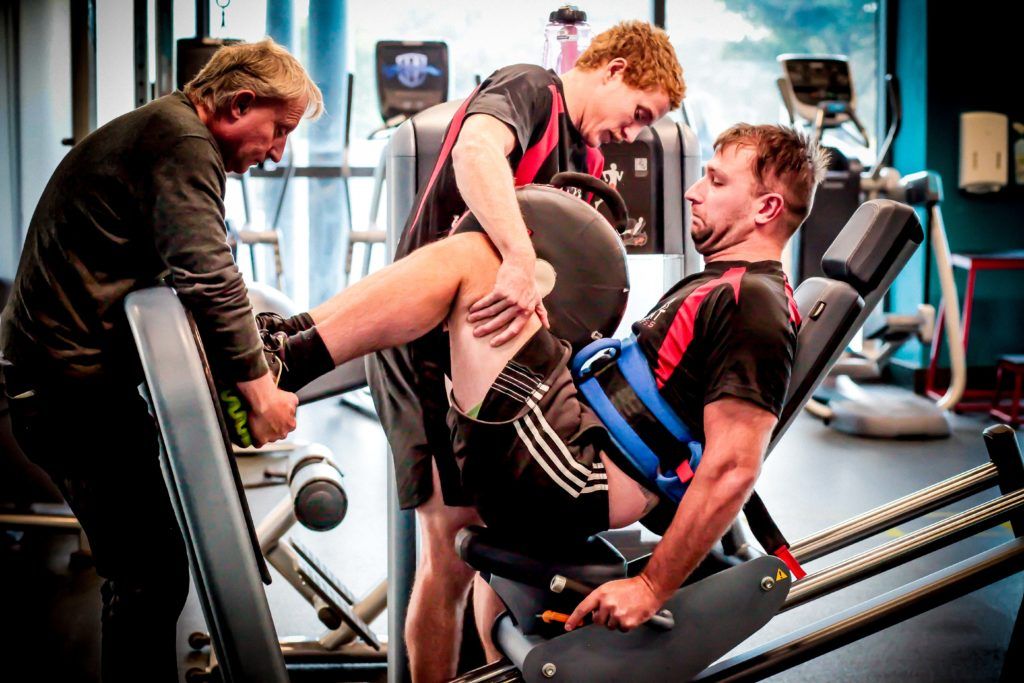
The National Disability Insurance Scheme (NDIS) is a program in Australia that supports people with disabilities. It helps them get the services they need to live a better life. One of these services is personal training.
Personal training can help people with disabilities improve their fitness and overall well-being. This article will explain what NDIS personal training is, its benefits, how to access it, and more.
Understanding the NDIS Personal Training
NDIS personal training is a service where a personal trainer helps a person with a disability work on their fitness goals. This type of training is different from general personal training because it is tailored to meet the specific needs of the individual.
The programs are designed to help people with disabilities achieve their personal fitness goals in a safe and effective way.
Personal training under the NDIS is customized based on each participant’s needs and goals. Allied health professionals, such as physiotherapists or occupational therapists, often help design these programs to ensure they are safe and effective.
Benefits of NDIS Personal Training
NDIS personal training has many benefits, which can be grouped into physical, psychological, and social benefits.
Physical benefits include:
- Improved strength and mobility: Regular exercise helps participants become stronger and more flexible.
- Better overall fitness: Personal training helps improve cardiovascular health, muscle tone, and endurance.
- Prevention and management of chronic conditions: Exercise can help manage conditions like diabetes, heart disease, and obesity.
Psychological benefits include:
- Enhanced mental health: Regular exercise can reduce symptoms of anxiety and depression.
- Increased confidence and self-esteem: Achieving fitness goals can make participants feel better about themselves.
Social benefits include:
- Opportunities for social interaction: Training sessions can be a chance to meet new people and make friends.
- Enhanced independence: Improved physical fitness can make it easier for participants to perform daily activities and live more independently.
How to Access NDIS Personal Training
To access NDIS personal training, participants need to follow a few steps:
- Initial consultation and assessment: The first step is to meet with a personal trainer or allied health professional to discuss goals and needs. This helps in creating a personalized fitness plan.
- Developing a fitness plan: Based on the assessment, a fitness plan is created. This plan is tailored to the participant’s goals and abilities.
- Getting approval and funding from the NDIS: The fitness plan needs to be submitted to the NDIS for approval. Once approved, the NDIS will provide funding for the personal training sessions.
Choosing the right NDIS personal trainer is important. Trainers who work with NDIS participants should have the right qualifications and experience. They should also be registered with the NDIS.
Types of NDIS Personal Training Services
There are different types of NDIS personal training services available to meet the diverse needs of participants:
One-on-one Personal Training Sessions
These sessions offer individualized attention and tailored workouts. The trainer focuses solely on the participant, ensuring exercises are done correctly and safely.
Group Training Sessions
These sessions involve multiple participants and can provide a social and supportive environment. Group sessions can motivate participants to push themselves and enjoy the company of others.
Home-based Personal Training
Some participants prefer to train at home. Home-based training is convenient and comfortable. It can be done with minimal equipment and adaptive techniques to suit the participant’s environment.
Online/virtual personal training
This option allows participants to train remotely, which is great for those in remote or rural areas. Virtual training sessions are flexible and accessible, making it easier for participants to stick to their fitness routines.
Challenges and Considerations
Accessing NDIS personal training can come with challenges. Some common issues include:
Challenges
Navigating the NDIS Planning and Approval Process
It can be difficult to understand the paperwork and procedures needed to get approval for personal training. The forms and documentation required can be confusing and time-consuming. Participants often need to provide detailed justifications for why personal training is necessary for their specific needs.
Finding Qualified and Experienced Personal Trainers
Not all personal trainers have experience working with people with disabilities. Trainers must understand the unique challenges and requirements of individuals with disabilities to provide effective and safe workouts. It can be a challenge to find trainers who are both qualified and registered with the NDIS.
Solutions
Effective Communication with NDIS Planners
Clearly explain the benefits of personal training and how it will help achieve personal goals. It’s important to provide detailed information about how the training will improve health and daily functioning. Demonstrating the necessity and benefits of personal training can help secure the needed approvals and funding.
Utilize Resources and Support
Seek advice from NDIS support coordinators, who can help navigate the process and find suitable trainers. Support coordinators are experienced in handling NDIS paperwork and can provide valuable guidance. Many organizations also offer resources and guidance for NDIS participants, which can simplify finding and selecting a qualified personal trainer.
The Future of NDIS Personal Training
The field of NDIS personal training is continuously evolving. Emerging trends and innovations include:
- Advances in adaptive fitness equipment and technology: New equipment and technologies are being developed to make fitness more accessible for people with disabilities.
- Increasing recognition of the role of fitness in holistic health care: There is growing awareness of how important physical fitness is for overall health and well-being.
The role of personal trainers within the NDIS framework is also evolving. Trainers are receiving ongoing training and professional development to better support participants. Collaboration with other health care and support providers is becoming more common, ensuring a holistic approach to health and fitness.
Embrace NDIS Personal Training Today
NDIS personal training is a valuable service that can significantly improve the lives of people with disabilities. It offers numerous physical, psychological, and social benefits. Exploring personal training options within an NDIS plan can lead to a healthier, happier, and more independent life.