



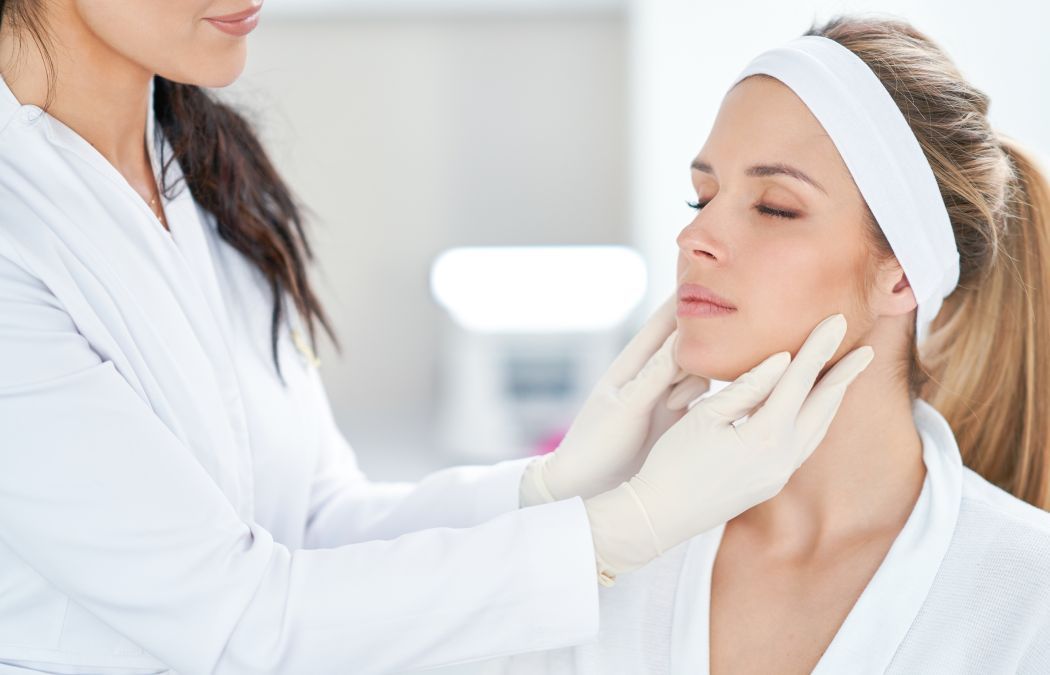
The “Ghost Doctor”: Committed to Client Safety—From Somewhere. Just Not Here.
Have you ever booked a treatment assuming, based on the claims “MD-led” or “Physician Oversight,” that you would be treated by a doctor, only to realize that a nurse would be performing your Morpheus8 with no MD even at the medical spa? This issue has become a common trend in the aesthetic industry. The promise of physician involvement contrasts with the reality of delegated care. This physician-approved pre-treatment philosophy was recently featured in Resident Magazine’s “The MD-Approved Protocol Red Carpet Ready Radiance”.
The “ghost doctor” scenario: when a physician backs a practice they rarely visit. This is a critical distinction between a transactional aesthetic practice and one with a medical commitment to you.
“I Thought I Was Seeing a Doctor”
Historically, aesthetic medicine relied heavily on doctors. Now, a model focusing on efficiency and volume dominates. As interest in treatments like injectables and laser therapies grows, the industry has embraced a scalable approach, leading to clinics minimizing the role of physicians. Doctors often end up being just a name on a license, with these centers resembling high-end salons instead of medical practices.
This model misleads patients about medical authority, exploiting their trust. Patients expect a genuine medical environment but may receive care with minimal doctor oversight. Convenience has taken the place of comprehensive clinical supervision, jeopardizing patient safety.
Dangers of Limited Medical Oversight
When aesthetic procedures lack medical expertise, the risk of harm greatly increases. The absence of a doctor’s involvement is not just theoretical; it can lead to serious complications. Without a skilled professional to handle anatomy and emergencies, even common treatments can cause severe issues like infections or nerve damage. This is the risk of treating medical procedures as retail services. Accountability weakens when medical oversight is absent.
Effects of Inconsistent Practices
Without direct medical oversight, protocols become non-existent. Treatments are one-size-fits-all and fail to acknowledge individual patient anatomy and risks.
This operational model erodes the trust vital to medicine. Poor outcomes increase public skepticism, damaging the credibility of the aesthetics industry. Understanding the safety of dermal fillers begins with ensuring a qualified physician is actively involved in the treatment plan. Accountability is fundamental to patient safety.
How to Spot the Red Flags
It’s often easy enough to discover when a practice is simply boasting MD-led treatments and masquerading as medical oversight. During your consultation, ask to speak with the doctor. If you cannot speak with them, that means they are not present on-site. You are under the care of a practice that may be deceiving you.
Checking Your Provider’s Credentials First
Checking a physician’s credentials is not an insult; it is your right as a patient. Confirm that the supervising doctor is board-certified in a relevant specialty, such as dermatology or plastic surgery.
- State Medical Boards: Each state offers an online database to verify a physician’s license number and check for any actions that might have been taken against them.
- Board Certification: Check with the accredited institute’s website to confirm certification status.
The Physician-Led Approach: Reviving Medical Integrity
As the downsides of the retail business model in aesthetics become more clear each day, there is a growing trend of clients seeking physician-led care. This model focuses on safety and efficacy by providing direct MD access before, during, and after treatments. At Beverly Wilshire Aesthetics, this approach is central to their practice. The facility ensures that patients always interact with a qualified doctor, with board-certified physicians responsible for creating and supervising all treatment protocols.
Importance of Medical Judgment in Patient Results
Dedication to medical integrity directly impacts patient safety and outcomes. Treatments should be personalized to individual anatomy and clinical goals, with medical judgment guiding every procedure. Caution is crucial to treatment success. A practice that upholds these standards through direct physician involvement is exemplified by Beverly Wilshire Aesthetics in Beverly Hills.
This distinction sets the standard in medical aesthetics—a guarantee of accountability. Physician presence is not a marketing strategy; it is the essential safeguard that distinguishes medical care from retail aesthetics. At Beverly Wilshire Aesthetics, physician involvement is fundamental. Recognized as a top medical spa in the most competitive aesthetics area, they refuse to dilute medical authority.
“The line between retail aesthetics and medical science must be drawn with precision. For every treatment we perform, there is no ghost…only the unwavering presence of a physician.” — Dr. Behnoush Zarrini, Medical Director
Handling Complications in Aesthetic Treatments
We always assume that nothing can go wrong, but unfortunately, that isn’t always the case during a high-risk medical spa treatment. If the worst-case situation were to happen, and something did go wrong after your procedure, don’t hesitate to seek help. Shift your focus from aesthetics to urgent medical care and document everything.
First, seek an unbiased medical opinion from an ER doctor or a board-certified dermatologist or plastic surgeon not involved in your initial treatment. Avoid going back to the original clinic. Prioritize impartial medical assistance over damage control from the responsible provider. Document all symptoms with a detailed log and clear, well-lit photos.
Following Medical and Legal Steps
Keep evidence for potential future action. Collect all medical records, consent forms, and receipts. File a formal complaint with your state’s medical board to establish an official record. Soft tissue fillers have inherent risks; reported complications like swelling (22.4%) and pain (19%) are common, and in severe cases, poor injections can lead to permanent blindness. For more insights, review the statistics on cosmetic surgery.
What to Know About Physician Oversight
If you’re being promised MD-led treatments, it would help to understand what to look for and expect during your treatment.
Confirming Physician Presence
Be direct during consultations. Ask if the supervising physician is physically present and available. If this isn’t a prominent or well-known physician, you can always check with your state medical board using their website to verify provider certifications. Legitimate, physician-led practices proudly highlight their oversight and display any board certification, years of experience, specific qualifications, etc.
Understanding Your Options When Procedures Don’t Go as Planned
If you feel something went wrong, your well-being should come first. It might be helpful to get a second opinion from another healthcare professional. Keep track of everything, like taking photos and saving documents and messages. Laws differ from place to place, but you do have choices. It might be a good idea to talk to a lawyer who knows about medical issues to explore your options regarding the healthcare provider and anyone else responsible for your care.
The Path Forward: Trust as the New Luxury
As consumers become more informed and scrutiny is increasing across an industry that has largely abandoned physician-led care, Beverly Wilshire Aesthetics’ brand model of “Physician-Led Everything” is the exemplary outlier. As the industry continues to support the dying model of delegated care, the role of the “ghost physician” dominates the scene. The future of aesthetic medicine, however, is found in the present MD, not one that’s consistently “OOO”.


