Introduction to Critical Care Management Trends
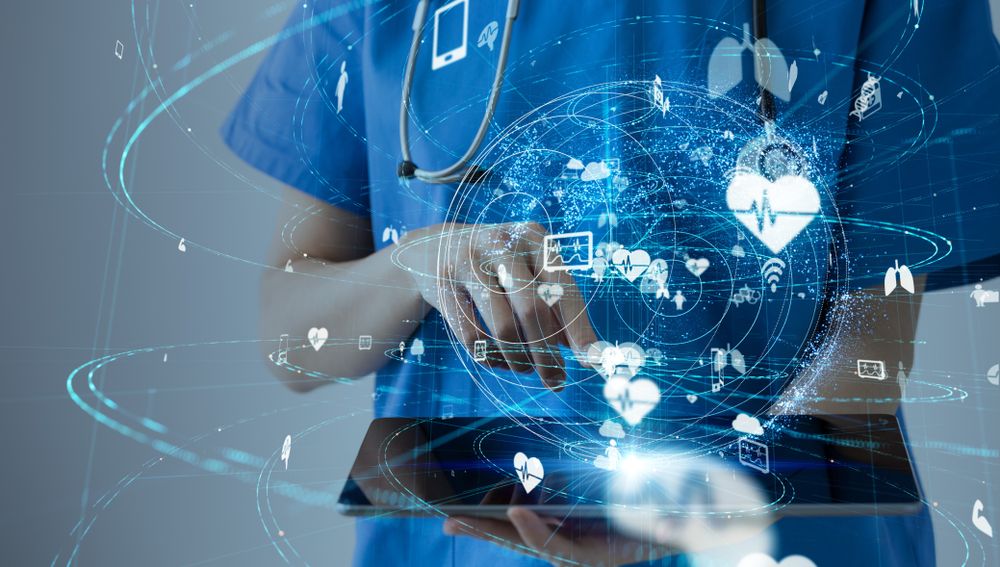
As healthcare continues to evolve, the domain of critical care management is witnessing transformative changes. These trends are pivotal for improving patient outcomes and streamlining healthcare processes. Staying informed about these trends helps healthcare professionals make better decisions, ultimately enhancing the quality of care provided. For instance, advances in care management software are enabling more efficient operations and better patient monitoring.
Indeed, integrating smart technologies and data-driven insights is at the heart of this transformation. From AI-driven diagnostics to remote patient monitoring systems, modern innovations pave the way for a more responsive and effective critical care environment. These tools make it possible to provide high-quality care, even in the most challenging scenarios. These trends necessitate continuously updating skills and knowledge among healthcare professionals to keep up with the rapid advancements.
Technological Advancements in Critical Care
Technology is at the forefront of critical care management transformations. Innovations such as telemedicine, remote monitoring, and artificial intelligence are becoming increasingly essential. For instance, telemedicine has enabled healthcare providers to offer critical care support remotely, thereby reducing the need for physical visits. A detailed analysis of telemedicine’s impact can be found here.
Telemedicine
Telemedicine allows for real-time consultations between patients and healthcare providers, offering critical care support even in remote areas. This capability has proven invaluable during crises like the COVID-19 pandemic, where quick, remote consultations can save lives. Telemedicine also reduces the burden on healthcare facilities, ensuring that resources are available for the most critical patients.
Artificial Intelligence
Using machine learning algorithms, artificial intelligence (AI) in critical care aims to optimize treatment methods and forecast patient outcomes. Large volumes of data may be swiftly analyzed by AI, which might provide insights that human practitioners might overlook. This may result in more precise diagnosis and individualized treatment regimens. AI algorithms can also assist in managing intensive care units (ICUs) by identifying patients who need immediate attention, thereby prioritizing care more efficiently.
The Role of Data Analytics in Critical Care
Data analytics is revolutionizing critical care by providing actionable insights that enhance decision-making. Advanced algorithms can predict patient deterioration, enabling timely interventions. Leveraging big data in critical care can save lives and reduce hospital stays.
Predictive Analytics
Predictive analytics involves analyzing historical data to foresee future outcomes. In critical care, this can mean identifying patients at risk of severe complications days before symptoms become apparent. This proactive approach can immensely improve patient outcomes. For example, by predicting sepsis earlier, healthcare providers can initiate treatments sooner, significantly increasing survival rates.
Real-Time Data Monitoring
Real-time data monitoring tools collect patient data continuously, providing healthcare professionals with up-to-the-minute information. This allows for immediate adjustments to treatment plans, improving responsiveness and patient care. Real-time monitoring systems can alert healthcare providers to subtle changes in a patient’s condition, allowing for rapid interventions to prevent complications and improve overall patient outcomes.
Improving Patient Care Through Innovations
Patient care is significantly improving through innovations such as personalized medicine and advanced diagnostic tools. Customized medicine tailors treatment plans to individual patients’ genetic profiles, leading to more effective care. Enhanced diagnostic tools ensure early detection of critical conditions, allowing for prompt treatment.
Personalized Medicine
Personalized medicine adapts medical treatment to each patient’s individual characteristics. By considering genetic, environmental, and lifestyle factors, personalized medicine can optimize the effectiveness of treatments, reducing adverse effects. This tailored approach has been particularly effective in treating conditions like cancer, where treatments can be customized to target specific genetic mutations.
Advanced Diagnostic Tools
The development of advanced diagnostic tools, such as next-generation sequencing and digital pathology, allows for the early detection of diseases, facilitating timely and effective treatments. These tools play a crucial role in critical care by identifying issues before they become life-threatening. For instance, advanced imaging technologies can detect subtle changes in organ function, enabling early intervention and improving patient prognosis.
Future Predictions for Critical Care Management
The future of critical care management appears promising, with ongoing advancements in genomics, machine learning, and IoT devices. These technologies will continue to streamline operations and improve patient outcomes. Experts anticipate that predictive analytics will play a more substantial role in preventing critical incidents before they occur.
Genomics
Genomic medicine is an emerging field focused on how an individual’s genetic makeup affects their response to treatments. By understanding the genetic basis of diseases, healthcare providers can devise more effective and individualized treatment strategies. Genomic data can also reveal susceptibility to certain conditions, allowing for preventative measures to be taken early.
Internet of Things (IoT)
The IoT connects various devices and systems, enabling seamless data exchange and integration. In critical care, IoT devices can monitor patient vitals in real time, send alerts in case of anomalies, and provide valuable data to healthcare professionals for better decision-making. The adoption of IoT in healthcare is expected to grow, driving continuous improvements in patient care and operational efficiency.
Ongoing Research and Development
Ongoing research in critical care management is focused on developing more efficient care models and innovative treatments. Clinical trials and studies continually uncover new knowledge that informs best practices in the field. In order to use innovative solutions, healthcare workers must stay up to date on the most recent research.
Clinical Trials
In critical care, clinical trials are crucial for evaluating novel therapies and interventions. These trials provide evidence of new approaches’ efficacy and safety, helping refine protocols and improve patient outcomes. Recent advancements in trial methodologies, such as adaptive trials, allow for more efficient and effective testing of new treatments.
Innovation in Treatment Protocols
Continuous innovation in treatment protocols aims to optimize the care provided to critically ill patients. Healthcare professionals can continuously enhance the caliber and efficacy of their therapies by implementing the most recent research findings. The goal of ongoing research is to find biomarkers that can inform therapy choices and guarantee that patients get the best possible care.