






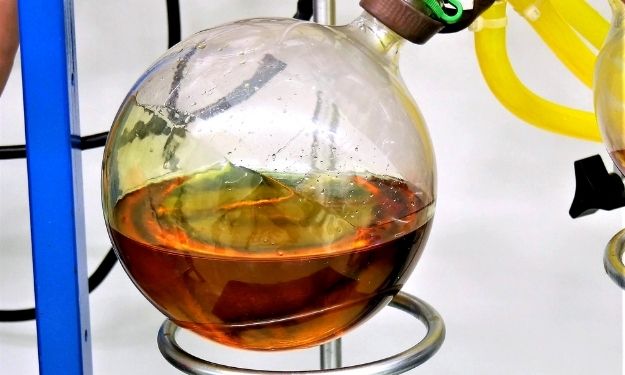
Essential oils are a plant’s essence, or “soul” or quintessence, and when implemented topically or inhaled, they’ll provide healing benefits and enjoyment. How are they produced?
It has been tested that the chemical components of essential oils have interactions on the cellular level to promote human fitness and recuperation. They are removed using various techniques that, in a sense, “de-emulsify” its constituent elements, setting apart the oils and water from the plant material.
Steam distillation is the most widely used method for extracting essential oils, although additional strategies encompass C02 extraction and cold urgent, which is commonly used for citrus fruit rinds. Enfleurage is any other sort of infused oil; unlike essential oils, it is a fragrant oil. See underneath for similarly detailed facts on the numerous methods for extracting aromatic and essential oils.
Techniques for Extracting
Distillation through Steam
Steam distillation is the most widely used approach for obtaining essential oils. Steam is fed into a huge container, known as a nonetheless, forcing the plant to release its oils in a vaporized situation. The heated water travels through a condensation flask or condenser and departs at the same time as the cold water enters the condenser, where the vapor cools again into a liquid shape through pipes.
The essential oil may be extracted from the water by siphoning it out due to the fact that water and oil do not mix. The hydrosol, frequently referred to as “floral water,” is the water that stays after this process.
Extraction of C02
Since no oil element is harmed by warmth for the duration of CO2 extraction, the result is a better-satisfactory oil that is more intently aligned with the original situation of the plant. At 95 to 100 degrees Fahrenheit, CO2 is applied in the presence of steam or hot water. Pumped into a box containing plant counts, pressurized carbon dioxide serves as a solvent, drawing out the oils and different materials like color and resin. After this, the liquid CO2 dissolves the essential oil-content material.
The resultant oil is left behind once the CO2 returns to its gaseous shape with the aid of natural strain.
Extraction by Cold Press
When handling citrus fruits, which include oranges, lemons, grapefruits, and limes, the complete fruit is compressed to extract the juice and oil, and the resulting liquid is then centrifuged to separate the beverages from the solids. The oil is extracted as the fruit’s essential oil after setting it apart from the juice.
Mixing and infusions
Making oils with essential oil advantages at home is simple and quick using this approach. Crush or grind the completely dried plant fabric into an exceptional powder before adding it to a vegetable oil or wheatgerm oil to prevent spoilage. Pour in your preferred solvent and shake every so often, even letting it sit down for a week. After straining, use the oil in recipes or for a rub-down remedy.
Enfleurage
An “enfleurage pomade,” or flower-infused fat, is created by pressing plant life into animal or vegetable fats, after which the petals are periodically converted into new ones. This process results in a flower-scented fat that lasts for several weeks or maybe months. To cast off the botanical extract from the residual fat, which can be used as a base for soap or perfumes, the pomade is wiped clean with alcohol. Enfleurage is a scented oil instead of Young Living’s essential oil; it is used for aromatherapy purposes by myself, not for therapeutic functions.
Solvent Extraction
Food-grade solvents like hexane and ethanol are used to isolate essential oils from plant material. Usually used with plant life that yields low amounts of essential oil, which might be in large part resinous, or that are delicate aromatics not able to resist the stress and misery of steam distillation. This method produces a finer perfume than any type of distillation method and is generally utilized in perfumery instead of aromatherapy, as the chemical solvents do not preserve the clearly healing blessings of the plant. This is in general used for strong plants, like roots, resins, and woods.
Distillation of water
Immerse delicate plant material in pure boiling water, then let it cool in order for the water and oils to separate into flower water, hydrosol, and essential oil. This is primarily utilized for fragile plant life like orange blossoms and roses.
The extraction procedure is just as critical to producing an extremely good finished product because the uncooked cloth and super oils come from wonderful distillers and producers, to assure that the critical and aromatic oils you buy are true and natural, make certain you buy from reliable vendors like Young Living.


