



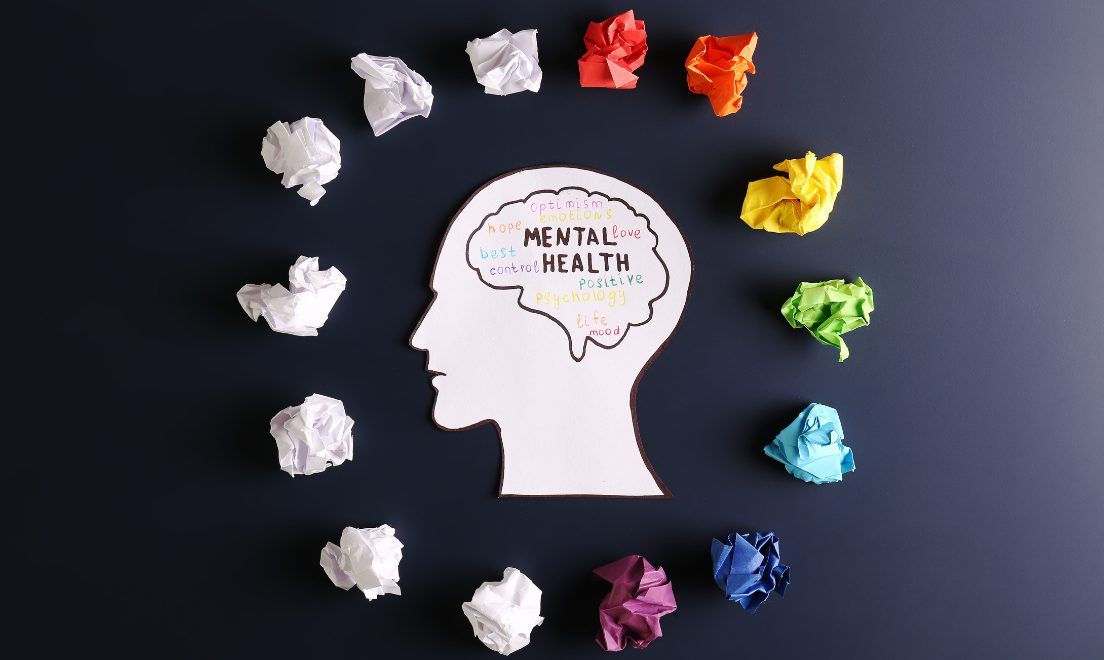
Mental wellness refers to managing negative emotions and improving emotional functioning, including reducing anxiety, getting better restful sleep, and strengthening relationships. Importantly, this approach does not dismiss the need for more assistance and treatment options for actual mental illnesses; rather, it seeks to offer self-directed solutions outside the mainstream fields of medicine and psychiatry, while still recognizing the value of seeking help from a qualified psychiatrist near me when necessary.
Identifying Your Needs
Mental wellness goes far beyond feeling contented; it entails the ability to cope with stress, form strong relationships, and make meaningful contributions in family, community and work settings. Furthermore, maintaining mental wellness requires maintaining an active lifestyle with regular physical exercise, restful sleep, eating balanced diet and staying hydrated – these all play key roles.
Sometimes it can be challenging to discern between typical behaviors and the signs of mental health conditions. While occasional sadness or anxiety is normal, if these feelings become persistent and interfere with daily functioning then consulting a psychiatrist is recommended.
An essential part of long-term happiness and success is embracing one’s mental wellness, whether through psychotherapy or medication. While not everyone finds these methods effective, experimenting with several can help find what best fits you and your needs. For those seeking more personalized care, experienced Orlando psychiatrists for long-term support can provide tailored treatment plans and ongoing assistance, ensuring that mental health challenges are addressed comprehensively and effectively
Mental wellness doesn’t simply mean being consistently happy; it involves building resilience to deal with life’s unexpected challenges and remaining happy and fulfilled in spite of them. While it can be challenging to navigate all this on your own, it is crucial that a support network be established and assistance be sought when necessary.
Finding a Psychiatrist
A psychiatrist is a medical professional who specializes in mental health treatment. In contrast to therapists, psychiatrists can prescribe and monitor psychotropic medication for depression or anxiety as well as evaluate any co-occurring medical disorders which might exacerbate your symptoms.
Finding an apt psychiatrist is of utmost importance. To begin your search for one, speak to your primary care physician, trusted friends or family who have experienced similar problems or use online resources which offer listings of psychiatrists in your area and their specializations.
Once you have selected several potential psychiatrists, take time to conduct thorough research on them individually. Focus particularly on their education, experience and licenses before reading patient reviews. Also take into consideration if they offer virtual visits (telehealth appointments).
Before committing to any psychiatrist, make sure that you meet them face to face first. This will allow you to get an idea of their communication style and see how comfortable you feel sharing with them. Your session should never feel rushed and questions should always be welcome; additionally it’s advisable for the psychiatrist to keep notes during your appointment and resume your next session from where it left off in the previous one.
Treatment Options
Mental health conditions affect individuals of all ages and can have a dramatic effect on daily life. Luckily, there are various effective treatment options available.
Psychotherapy (also called talk therapy) can provide valuable insight into underlying causes and provide treatment of your condition, while teaching you coping skills and improving overall quality of life. Medication may also be effective, and combined with psychotherapy it may maximize treatment efficiency.
Other alternatives may include complementary and alternative medicine (CAM). Therapies like yoga, mindfulness meditation, art therapy and acupuncture may help alleviate stress and anxiety while simultaneously decreasing pain levels and discomfort for greater relaxation.
Mental illnesses typically respond best to a combination of treatments. Individuals can seek guidance from their therapist and experiment with various approaches until they find something that works for them.
Mental health conditions can sometimes become serious enough that hospitalization or residential treatment programs may be necessary. Hospitalization helps ensure an accurate diagnosis, prevent symptoms resurfacing and allow more intensive treatments for individual conditions. Once someone has been released from one of these facilities, they can continue treatment with their therapist and work toward long-term recovery goals while building support networks and creating healthy habits which all contribute to mental wellness.
Recovery
Mental wellness can be defined as the process of effectively managing challenges and reaping the benefits of living a healthier life, including hope, personal responsibility, advocacy for oneself and support from friends and family members. Furthermore, this term encompasses faith engagement within communities as well as an ability to rebound after experiencing setbacks.
Mental wellness initiatives have emerged as grassroots, consumer-led responses to gaps that exist in our healthcare systems (particularly psychiatry) for dealing with everyday stressors and emotional problems. They use natural and complementary medicine practices that have existed alongside modern medicine for millennia, along with lifestyle strategies like exercise, sleep, diet and nutrition as part of this holistic approach.
Mindfulness, meditation, yoga and healthy eating are renowned practices used for mental wellness. Studies have demonstrated their positive effect on brain functioning – specifically with regard to the DMN network that controls self-referential thoughts and mind wandering). Furthermore, mindfulness meditation yoga and healthy eating may enhance neuroplasticity: our brain’s capacity for change based on positive experiences or learning.
Mental wellness resources abound, from online psychiatry and local psychiatrists, to the Depression and Bipolar Support Alliance website with helpful information about where and how to receive assistance, to WRAP apps that allow individuals to create wellness plans. If you are experiencing depression or bipolar disorder, joining a support group can provide an effective means of connecting with others who understand your struggles in living with these conditions.


