



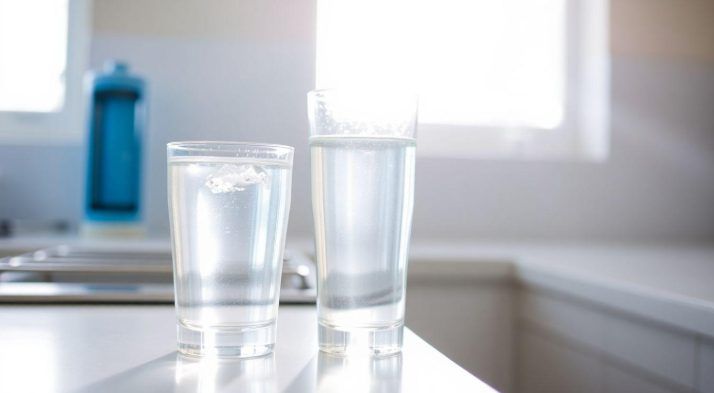
What is Whole-House Water Filtration?
Whole-house water filtration is a system that cleans all the water entering your home. It’s installed where the main water line comes in. This means every faucet, shower, and appliance gets filtered water. It’s a big step up from just filtering drinking water at the kitchen sink. A whole-house system tackles impurities before they even get a chance to spread throughout your house.
According to Black Hills Inc., whole‑house water filtration systems not only improve water taste and safety but also help protect plumbing fixtures and appliances from mineral buildup. It’s about making sure all the water you use is cleaner.
Point-of-Use vs. Point-of-Entry Systems
When you think about water filters, there are two main types: point-of-use and point-of-entry. Point-of-use filters, like pitcher filters or faucet attachments, only clean water at one specific spot. They’re good for drinking water but don’t help with water used for showers or laundry. Point-of-entry systems, on the other hand, are installed at the main water line. This is what we mean by whole-house water filtration. It treats all the water coming into your home, offering a much broader benefit.
How Whole-House Filtration Works
Whole-house water filtration systems work by passing all incoming water through a series of filters. Typically, water enters your home and goes directly into the filtration unit. Inside, it encounters different filter stages. These stages are designed to catch various contaminants. For instance, sediment filters remove dirt and rust particles. Carbon filters are common for taking out chlorine and other chemicals that affect taste and smell. Some systems might have additional stages for specific issues like heavy metals. The result is cleaner water from every tap.
A whole-house filtration system acts as a central purification hub for your entire home’s water supply.
Here’s a basic breakdown of the process:
- Water enters the home through the main service line.
- It flows into the whole-house filtration unit.
- Water passes through multiple filter media, removing different types of impurities.
- Cleaned water then distributes to all outlets in the house.
Safeguarding Your Family’s Health


Protecting Against Harmful Contaminants
Water flowing into your home can carry unseen dangers. A whole-house water filtration system acts as a primary defense, removing a variety of contaminants that might otherwise affect your family’s health. These systems target things like sediment, chlorine, and even heavy metals that can be present in municipal water or well water. By filtering water at the entry point, you ensure that every faucet dispenses cleaner, safer water.
This proactive approach significantly reduces your family’s exposure to potentially harmful substances. Investing in an entire house filtration system means you’re taking a direct step to improve the quality of the water your loved ones drink, cook with, and bathe in daily. It’s about creating a healthier living environment from the ground up.
Reducing Exposure to Disinfection Byproducts
When public water supplies are treated with disinfectants like chlorine, they can sometimes react with organic matter to form disinfection byproducts (DBPs). These DBPs, such as trihalomethanes (THMs), are a concern for long-term health. A whole-house water filtration system, particularly those with activated carbon filters, is effective at reducing the levels of these byproducts in your water.
Reducing exposure to DBPs is a key benefit of comprehensive water filtration. It offers an added layer of protection for your family’s well-being.
By removing chlorine and other chemicals, these systems not only make the water safer to drink but also reduce potential skin and respiratory irritation from showering or bathing in treated water. This makes the water safer for everyone in the household.
Ensuring Safer Water for Children
Children are particularly vulnerable to the effects of waterborne contaminants due to their developing bodies. Ensuring they have access to clean water is paramount for their growth and health. A whole-house filtration system provides a consistent source of safe water for drinking, preparing formula, and bathing.
- Reduces exposure to lead: Older plumbing can leach lead into water, which is especially harmful to children.
- Minimizes ingestion of chemicals: Filters can remove chlorine and other treatment chemicals that may affect a child’s sensitive system.
- Provides peace of mind: Knowing that all water used in the home is filtered offers reassurance to parents.
This comprehensive approach to water quality means that every interaction your child has with water, from their morning bottle to their evening bath, is as safe as possible. It’s a simple yet powerful way to support their development.
Enhancing Daily Well-being
Healthier Skin and Hair
Water straight from the tap can sometimes feel harsh. Chlorine and other treatment chemicals, while necessary for public safety, can strip natural oils from your skin and hair. This often leads to dryness, irritation, and a dull appearance. For those with sensitive skin or conditions like eczema, this effect can be particularly pronounced, causing discomfort after showering.
A whole-house water filtration system addresses this by removing many of these irritants. When you shower or bathe in filtered water, it’s gentler on your skin and hair. You might notice less dryness and itching, and your hair could feel softer and look shinier. It makes a real difference in your daily routine.
Using filtered water for your daily hygiene can lead to noticeable improvements in skin and hair health over time.
Improving the Taste of Water and Food
The taste of your water can significantly impact your enjoyment of everyday activities. If your tap water has an off-putting smell or taste, perhaps from chlorine or mineral content, it can make drinking water less appealing. This can also carry over into the food you prepare, affecting the flavor of everything from your morning coffee to your evening meal.
With a whole-house water filtration system, these taste and odor issues are often eliminated. The water becomes cleaner and more neutral, allowing the true flavors of your food and beverages to come through. This simple change can make a big difference in your daily culinary experiences.
Encouraging Increased Water Consumption
When water tastes and smells good, people are more likely to drink it. If your household is currently relying on bottled water or sugary drinks because they dislike the taste of tap water, switching to filtered water can be a game-changer. Clean, fresh-tasting water from every tap encourages healthier hydration habits.
Making filtered water readily available from all faucets promotes better hydration for everyone. This simple shift can lead to improved overall health and well-being, simply by making water a more appealing choice throughout the day. A whole-house water filtration system supports this goal.
Protecting Your Home and Appliances
Preventing Scale Buildup and Clogs
Hard water, common in many areas, contains minerals like calcium and magnesium. When this water flows through your pipes and appliances, these minerals can deposit and build up over time. This buildup, known as scale, can narrow pipes, reducing water flow and pressure throughout your home. It’s like arteries getting clogged – not good for anything.
An entire house filtration system tackles this problem head-on. By removing these hard minerals before they enter your plumbing, it stops scale from forming. This means your pipes stay clear, water pressure remains consistent, and you avoid the costly repairs associated with clogged pipes. Protecting your plumbing is a key benefit of whole-house water filtration.
Improving Appliance Efficiency and Lifespan
Appliances that use water, such as dishwashers, washing machines, and even coffee makers, are directly affected by water quality. Scale buildup inside these machines can make them work harder to perform their functions. This increased strain leads to reduced efficiency and a shorter overall lifespan for your valuable appliances.
When you use filtered water, these appliances operate more smoothly. For instance, a washing machine with clean water requires less detergent to lather effectively and cleans clothes better. Similarly, a dishwasher won’t have mineral spots on your dishes. This protection means your appliances last longer and perform better, saving you money on repairs and replacements.
Reducing Wear and Tear on Plumbing
Beyond just scale, other contaminants in unfiltered water can also contribute to the gradual degradation of your home’s plumbing system. Sediment and certain dissolved solids can act like fine sandpaper, slowly wearing down the interior surfaces of pipes and fixtures with every use. Over years, this constant abrasion can weaken pipes and lead to leaks or even bursts.
Installing a whole house water filtration system acts as a shield for your entire plumbing network. By removing abrasive particles and corrosive elements, it significantly reduces the wear and tear on your pipes, faucets, and connections. This proactive measure helps maintain the integrity of your plumbing, preventing premature damage and costly interventions down the line. It’s a smart way to protect your home’s infrastructure.
The Advantages of Comprehensive Filtration
Clean Water from Every Tap
Imagine turning on any faucet in your house and getting pure water. A whole-house filtration system makes this a reality. It treats all the water entering your home, so whether you’re filling a glass, taking a shower, or washing dishes, the water is clean. This means no more worrying about what’s in the water from one tap to another.
This system acts as a shield, filtering out common issues like sediment, chlorine, and other unwanted particles before they even reach your fixtures. It’s about having consistent quality water everywhere, all the time. This level of clean water from every tap is a significant upgrade for any household.
Peace of Mind for Your Household
Knowing that your family is drinking and using safe water provides a great sense of relief. An entire house filtration system removes many common contaminants that can affect health. This proactive step means you’re actively protecting your loved ones from potential issues linked to water quality.
Having clean water from every outlet reduces daily worries about exposure to impurities. It’s a simple yet powerful way to support your family’s well-being.
This peace of mind extends beyond just drinking water. It means safer baths for children, cleaner water for cooking, and generally a healthier environment within your home. It’s a commitment to your family’s health that pays off every day.
Reducing Reliance on Bottled Water
Switching to a whole-house filtration system can significantly cut down on your need for bottled water. Think about the cost and environmental impact of constantly buying plastic bottles. Filtered tap water offers a convenient and sustainable alternative.
- Saves money over time compared to buying bottled water.
- Reduces plastic waste and your carbon footprint.
- Provides convenient access to clean water without frequent store trips.
By having clean water readily available from every tap, you naturally reach for the faucet instead of the plastic bottle. This shift makes a real difference in both your budget and your environmental impact, making the investment in a whole-house filtration system even more worthwhile.
Choosing the Right Filtration Solution
Assessing Your Home’s Water Quality
Before picking out any kind of whole-house water filtration system, you really need to know what’s in your water. Think of it like going to the doctor; they need to run tests before they can figure out what’s wrong. You can get DIY water testing kits from hardware stores, but honestly, they might not catch everything. For a truly accurate picture, it’s better to get a professional water test. Some companies even offer these for free. Knowing your water’s starting point is key to picking the right filtration.
Once you have the results, you can figure out which contaminants are present. This helps you choose the most effective treatment. Depending on what’s in your water, your system might need a few different types of filters working together. Look for NSF certification on filters; it tells you what they’re certified to remove. This way, you’re not just guessing; you’re making an informed choice about your water.
Understanding your water quality is the first step to a healthier home.
Considering Household Needs and Water Usage
Every home is different, and so are the water needs of the people living in them. Think about how many people are in your household and how much water you typically use. A big family that takes lots of showers and does laundry daily will need a system that can handle a higher volume of water compared to a single person. Also, consider if you have specific health concerns or priorities. For example, if you have a baby, you might be extra careful about certain contaminants. Choosing a system that matches your household’s specific water usage and health priorities is important for effective filtration.
Your budget is also a big part of this decision. While some systems are more expensive upfront, they might save you money in the long run through better appliance efficiency and fewer repair needs. It’s about finding a balance between cost and performance. A system that’s too small for your needs will constantly be overworked, while one that’s too large might be an unnecessary expense. Tailoring the system to your actual usage is smart.
Seeking Professional Guidance for Installation
While you can learn a lot about water filtration on your own, getting professional help for installation is usually a good idea. These systems can be complex, and improper installation can lead to problems down the road. A professional installer will know how to connect the system correctly to your main water line, making sure there are no leaks and that the water pressure is maintained. They can also advise on the best placement for the system within your home.
Professionals can also help with ongoing maintenance. They can tell you when filters need to be changed and can perform checks to make sure the system is working optimally. This kind of support can give you peace of mind, knowing that your whole-house water filtration system is being looked after properly. It’s an investment in both your water quality and the longevity of the system itself.
Making the Switch to Cleaner Water
So, when you think about it, getting a whole-house water filter really does make a big difference. It’s not just about having better-tasting water, though that’s nice too. It’s about protecting your family from all sorts of stuff that can get into the water, from chemicals to tiny particles. You can feel better knowing that every time someone takes a shower, washes their hands, or fills up a glass, the water is as clean as it can be. It’s a simple step that can lead to a healthier home for everyone living there.


