



In today’s work culture, people who work in offices, go to school, or work from home tend to sit for long periods of time. This may not seem like a big deal, but bad posture over time hurts your spine, muscles, and health in general. Slouching, leaning forward, or hunching over a screen can make you feel bad and tired for a long time.
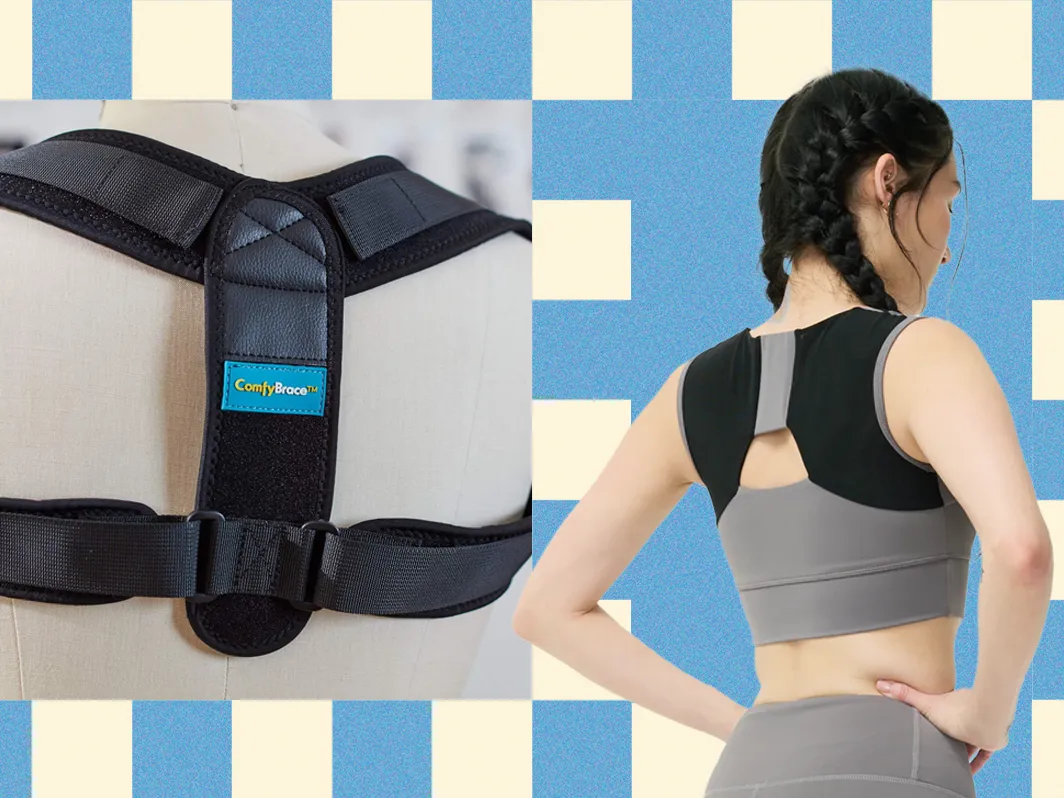
This is when a posture corrector belt comes in handy. It doesn’t magically fix your posture, but it does help you become more aware of how your body is aligned. That awareness can help you sit better and put less strain on your body over time.
What a posture corrector belt does and how it works
A posture corrector belt is made to gently pull your shoulders back and line up your spine. It works by putting light pressure on your upper back and shoulders, which makes you want to stand up straight. Modern belts are more flexible and comfortable to wear every day than rigid back braces.
The goal is not to keep your body in one position but to teach your muscles how to keep good posture. Instead of thinking of it as a permanent back support device, think of it as a reminder system. If you use it right, it can help you stop slouching when you sit for a long time.
Why Jobs That Require Sitting Make Your Posture Bad
When you sit for a long time, your back and core muscles get weaker, and your chest and shoulders get tighter. This imbalance pulls your body forward, which makes your shoulders round and puts stress on your neck. Over time, your body gets used to this wrong position and it feels normal.
Bad workstation setup also makes the problem worse. Some common causes are:
- Short screen height
- No support for the lower back
- Sitting without stopping
- Putting your head down while you type
If nothing is done, this can lead to long-term pain and lower productivity. A posture corrector belt can help break this cycle.
Important Benefits of Using a Posture Corrector
One of the best things about a posture corrector is that it makes you more aware. A lot of people don’t know when they’re slouching, but the belt lets them know right away. It also helps your muscles feel less tired by spreading the pressure more evenly across your back.
Other benefits are:
- Better alignment of the shoulders
- Less strain on the neck and upper back
- Open chest posture makes it easier to breathe
- More comfortable sitting for a long duration of time
It doesn’t cure the problem, but it does help a lot when you combine it with good habits.
Different kinds of posture corrector belts are available
There are different kinds of posture correctors, and each one works best for a different need.
- Shoulder strap correctors: These are light and great for beginners or for use at work.
- Upper back correctors: These give you more structured support and are better for long hours of work.
- Full back braces: These support both the upper and lower back, so they are good for people who are in more pain.
Quick summary:
- Shoulder straps: light and easy to hide
- Support for the upper back: a good balance of comfort and stability
- Full back brace: Best support for long periods of time
The type you choose depends on how you live your life and how much support you need.
What to Look for in the Best Posture Corrector Belt
Comfort should be your top priority when choosing a posture corrector. The right features make sure that something will work and last for a long time. Search for:
- Straps that can be adjusted for a perfect fit
- Fabric that lets air in so you don’t sweat
- Soft padding to keep your shoulders from hurting
- Lightweight for everyday use
- Material that lasts a long time
These features are very important, especially if you plan to wear the belt to work every day.
How to Properly Use a Posture Corrector
If you don’t use a posture corrector correctly, it might not work as well. Slowly get used to it. Follow these steps:
- Start with 20 to 30 minutes a day.
- Slowly raise the amount of time you use it to 1–2 hours.
- Make sure the fit is snug, not tight.
- Don’t wear it all day.
- Keep breathing and moving normally.
Duration doesn’t matter as much as consistency. It’s better to wear it for short periods of time on a regular basis than for long periods of time.
Things People Do Wrong
A lot of people expect results right away, which can be disappointing. A posture corrector works slowly and needs to be used regularly. Some common mistakes are:
- Too tight straps
- Putting it on for too long
- Not working out and building muscle
- Using it as a long-term fix
Avoiding these mistakes will help you get better results and keep you from feeling bad. The most important thing is to see it as a helpful tool, not something you need.
Tips for better posture that are good for your body
A posture corrector by itself isn’t enough. Setting up your workspace correctly is very important for keeping good posture. Take these ergonomic tips:
- Put your screen at eye level.
- Sit in a chair that supports your back well.
- Put your feet flat on the floor.
- Don’t let your shoulders get stiff, keep them relaxed.
- After every 30 to 60 minutes, take a break.
These changes make the belt work better and put less strain on your body.
What Exercise Can Do to Help Fix Your Posture
To improve your posture over time, you need to strengthen your muscles. Your body will keep needing outside help if your muscles aren’t strong. These exercises should be your daily routine:
- Squeezing your shoulder blades
- Stretches for the chest
- Strengthening the upper back
- Exercises for core stability
Regular exercise makes a posture corrector work better and keeps the results for a long time. It also lowers the chance of having posture problems in the future.
Who Should Think About Using a Posture Corrector
Posture correctors are especially helpful for people who sit for long periods of time. They are perfect for:
- People who work in offices
- Professionals who work from home
- People who are mildly uncomfortable with their posture
But people with serious spinal problems should talk to a doctor before using it. Knowing what you need will help you decide if a posture corrector is right for you.
Final Thoughts
If you’re working a desk job, your spine is basically running an ultramarathon every single day. Your back is the literal backbone of your career and your lifestyle. Using a posture corrector belt or a back brace can be a fantastic tool to kickstart your journey toward better alignment, but it’s not the whole journey.
It reminds you that you don’t actually have to live life shaped like a letter C. Combine your back support with a solid desk setup and a few daily stretches.


