



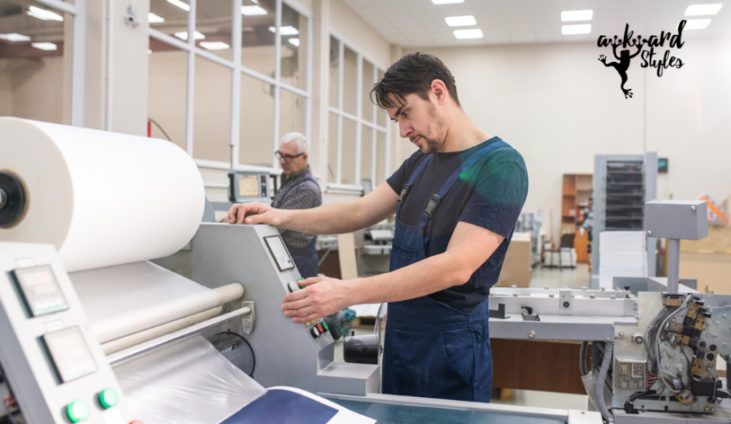
The printing industry is evolving fast, and one of the most exciting innovations to emerge in recent years is DTF (Direct-to-Film) printing. This modern technique has redefined what’s possible when customizing apparel and accessories, thanks to its ability to print on an impressive variety of materials — from cotton and polyester to nylon, canvas, and even leather.
If you’re exploring different printing methods and wondering which one gives you the most flexibility and value, DTF printing deserves a closer look. You can Learn more about how it compares with other fabric printing techniques, but for now, let’s dive into what makes DTF so versatile and what materials it works best on.
1. What Makes DTF Printing Unique?
DTF printing is based on a simple yet powerful idea — print your design on a special PET film using water-based pigment inks, coat it with adhesive powder, then heat-press it directly onto the target surface.
This method combines the durability of screen printing with the color depth of sublimation and the convenience of digital printing. Because the design is transferred through a film rather than directly applied to fabric, DTF can bond with many different surfaces, not just those treated for ink absorption.
The result is a smooth, vibrant, and long-lasting finish that resists cracking and fading even after many washes.
2. The Range of Materials DTF Can Print On:
Let’s explore the wide variety of materials suitable for DTF transfers — one of the main reasons for its growing popularity among apparel brands and custom print shops.
a) Cotton:
DTF performs beautifully on 100% cotton and cotton-blend fabrics. The colors appear rich and bold, maintaining their brightness through multiple washes. Unlike sublimation, which only works on polyester, DTF’s adhesive ensures great results on cotton without any pre-treatment.
Perfect for: t-shirts, hoodies, and cotton tote bags.
b) Polyester:
Polyester’s slick surface used to make printing a challenge, but DTF solved that. The adhesive powder forms a strong bond even on synthetic materials, giving a flexible yet durable finish.
Perfect for: sportswear, uniforms, and performance apparel.
c) Blended Fabrics:
Blended fabrics like cotton-poly or tri-blends can be tricky for DTG or sublimation, but DTF handles them effortlessly. It adheres to both natural and synthetic fibers, producing even colors and fine details.
Perfect for: fashion apparel and mixed-fabric collections.
d) Nylon and Canvas:
Nylon jackets, gym bags, and canvas totes are often hard to customize because of their textures or coatings. DTF’s heat-activated adhesive grips securely to these surfaces without cracking or peeling.
Perfect for: backpacks, outerwear, and promotional items.
e) Denim:
Few printing methods work as well on denim as DTF. Its ability to deposit dense, vibrant ink ensures designs stay bold on thick, textured fabrics.
Perfect for: jeans, jackets, and custom patches.
f) Leather and Faux Leatherv
Even leather — real or synthetic — can be decorated with DTF prints. With the right heat settings, the transfer adheres evenly while keeping the leather’s texture intact.
Perfect for: wallets, keychains, and jackets.
3. Beyond Fabric: Unexpected Applications:
Although DTF is primarily a textile printing process, creative printers are pushing its boundaries. By applying a suitable coating, DTF transfers can also adhere to wood, metal, and ceramic surfaces.
This means you can personalize items like mugs, plaques, and decorative panels — expanding your product line without investing in different machines or processes.
4. How DTF Compares to Other Printing Methods
When you compare DTF with popular printing methods, its advantages become clear:
| Printing Method | Suitable Materials | Color Quality | Cost | Durability |
| Screen Printing | Cotton | Good | Medium | High |
| Sublimation | Polyester | Excellent | Low | High |
| DTG Printing | Cotton | Excellent | High | Medium |
| DTF Printing | Cotton, Polyester, Blends, Nylon, Leather | Excellent | Low | Very High |
DTF’s versatility gives creators more freedom — print on light or dark fabrics, create intricate gradients, and handle both small custom runs and bulk orders with ease.
5. Tips for the Best DTF Results
To get flawless prints, keep these key points in mind:
- Use quality films and inks. Cheap materials can lead to dull colors or weak adhesion.
- Set the right heat press parameters. Most DTF transfers work best at around 160–170°C (320–340°F) for 15–20 seconds.
- Allow proper cooling before peeling. This ensures a clean transfer and better bonding.
- Store films correctly. Keep them dry and dust-free to prevent moisture damage.
Following these steps guarantees vibrant, professional-grade prints that last.
6. The Importance of Reliable Equipment
No matter how skilled you are, consistent DTF quality depends on your printer. Investing in a dependable system ensures smooth color gradients, accurate registration, and reduced waste.
That’s why professional printers trust dtflinko.com — a leading name in DTF technology known for its efficient, high-precision machines. LINKO’s printers are designed for both small studios and large production houses, combining reliability with ease of use.
With high-speed printing, consistent color output, and durable components, LINKO DTF printers help businesses scale confidently while keeping print quality exceptional.
7. Why DTF Is the Future of Fabric Printing:
DTF’s rise is no coincidence — it solves many limitations of older technologies. There’s no need for pre-treated garments, screens, or expensive setup. It handles small orders as easily as large ones and works on nearly any surface.
This flexibility makes DTF a go-to choice for custom clothing brands, print-on-demand stores, and promotional product companies. It’s efficient, eco-friendly, and produces results that customers love — vibrant, soft, and built to last.
Final Thoughts:
DTF printing is revolutionizing the world of custom apparel. From cotton and polyester to leather and canvas, it offers a single, cost-effective solution for almost any material.
Its ability to produce bright, durable prints across diverse surfaces has made it one of the most exciting advances in modern printing technology.
To deepen your understanding of how DTF compares with other textile printing methods, you can learn about the process, benefits, and applications. And if you’re ready to invest in reliable, high-performance DTF printers and supplies, visit dtflinko.com , your trusted partner in professional fabric printing innovation.


