






In today’s fast-paced world, we often take the convenience of home deliveries for granted. A few clicks on a website, and soon enough, a product arrives at your doorstep. But what happens behind the scenes? The journey from a warehouse to your home is far more complex than it appears. Understanding this process helps not only customers appreciate the work involved but also businesses refine their methods. In this post, we’ll explore the steps involved in product delivery, from the moment an order is placed to when it’s finally in your hands.
The Role of Warehousing in the Supply Chain
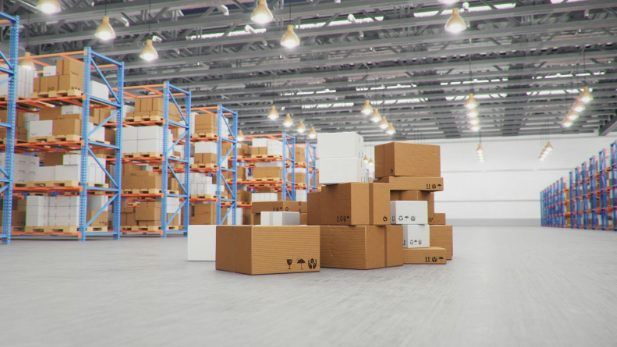
Warehousing is the backbone of any successful delivery system. Before products can be shipped, they need to be stored and organized. Warehouses function as the central hub where goods are sorted, inventoried, and prepared for shipment. Efficient inventory management is crucial in ensuring that the right products are available at the right time. Advanced technologies like automated picking systems have revolutionized the way warehouses operate, making the process faster and less prone to human error. This organized storage ensures that products are ready to move quickly when a customer places an order, reducing delays and ensuring smooth operations.
Furthermore, a well-managed warehouse offers flexibility. It’s not just about keeping stock; it’s about planning for demand fluctuations and unexpected surges. Modern warehouses can adjust inventory levels based on trends, ensuring that there is minimal wastage and maximum efficiency. This adaptability is essential for businesses aiming to stay competitive in a dynamic market.
The Complexities of Distribution and Transportation
Once the product leaves the warehouse, the next challenge begins: getting it to the customer. This is where shipping and logistics play a critical role. The distribution phase starts with packaging and sorting. Items are carefully packed to withstand transportation conditions and then sorted based on their destination. From here, businesses have to decide on the best transportation method. Whether it’s via ground transport, air, or even sea, each option has its own set of benefits and challenges.
For instance, ground transportation is often the most cost-effective solution for short distances, while air transport, though faster, is more expensive. Businesses must strike a balance between speed and cost, depending on the product and customer expectations. The complexity increases when multiple transportation methods are required, especially for international deliveries. Every decision made in this stage impacts not only the delivery time but also the overall cost and customer satisfaction. Efficient logistics ensure that the right products get to the right place at the right time, which is key to a smooth delivery experience.
Tracking and Monitoring for Customer Transparency
Once the product is on its way, the journey doesn’t stop. In fact, for the customer, this is the most visible part of the process. Tracking and monitoring technology have become crucial in maintaining transparency throughout the shipping journey. Customers want to know when their package will arrive, and real-time updates provide a sense of control and assurance. Companies use sophisticated tracking systems to offer updates at each stage—from dispatch to transit, and finally, delivery.
Tracking isn’t just about customer satisfaction; it also helps businesses improve their services. Data gathered during this phase, such as delivery times and delays, can be analyzed to enhance future deliveries. This real-time monitoring also allows companies to address issues immediately, reducing the chances of errors or lost packages. With the rise of smartphone apps, customers can track their orders down to the minute, leading to a more streamlined and enjoyable experience. It’s a vital step in ensuring that the entire delivery process is both smooth and transparent.
The Last Mile Delivery Challenge
While getting a package across the country or even the world may seem like the hardest part, the final stretch—known as the last mile delivery—poses its own set of challenges. This is the final leg of the journey where the package is delivered from the local distribution center to the customer’s doorstep. It’s also the most critical phase because it directly impacts customer satisfaction.
Last-mile delivery is often fraught with issues. Traffic, remote locations, and even failed delivery attempts due to the recipient not being home can complicate this stage. These challenges not only delay the delivery but also increase costs for businesses, especially when multiple delivery attempts are needed. Some companies are turning to innovative solutions to tackle last-mile hurdles, such as parcel lockers where customers can pick up their items at their convenience, or even drone deliveries in certain areas.
The focus here is speed and efficiency. With customer expectations at an all-time high for fast delivery, businesses must continuously innovate to make last-mile delivery quicker and more reliable. In urban areas, bike couriers and electric vehicles are becoming popular, while rural areas see efforts to optimize delivery routes. The last mile may be the shortest, but it’s often the most complex and expensive part of the delivery process.
Meeting Customer Expectations in a Competitive Market
In today’s competitive market, customer expectations for shipping are higher than ever. Speed, reliability, and convenience are no longer just perks—they’re necessities. Companies that fail to meet these expectations risk losing customers to competitors who can deliver faster or offer more flexible options. Customers expect their deliveries to arrive on time, but they also want the process to be hassle-free, from placing the order to handling returns.
Managing returns and exchanges is a critical part of meeting these expectations. A smooth, customer-friendly return process can make or break a business’s reputation. Many companies now offer easy return labels and pick-up services to make this part of the experience as simple as possible. The logistics of returns, however, can be costly and complex, requiring careful management to ensure that products are restocked and refunds are processed efficiently.
Sustainability has also become a significant factor in how companies manage their shipping strategies. As more customers prioritize eco-friendly practices, businesses are adopting greener shipping options. Whether it’s using recyclable packaging or optimizing delivery routes to reduce emissions, sustainability is playing a growing role in the world of logistics. Companies that incorporate these values into their shipping processes not only appeal to environmentally conscious consumers but also contribute to a more sustainable future.
Conclusion
From the warehouse to your doorstep, each stage of the delivery process is essential to ensuring that products arrive on time and in perfect condition. Warehousing, distribution, tracking, and last-mile delivery all play a role in this intricate system. By understanding these stages, both businesses and customers can better appreciate the effort involved in getting products from point A to point B. As customer expectations continue to evolve, companies will need to keep innovating to provide fast, reliable, and eco-friendly delivery options.


