



CFD trading allows individuals to assume the price movements of assets like stocks, commodities, or currencies without owning them. Due to its flexibility, it’s a popular and accessible method, offering both profit potential and risk. While rewards can be high, the risks are significant, making it essential to understand the basics of CFD trading before getting started.
So, what is CFD trading, and how can one manage the associated risks and rewards? Essentially, CFD allows traders to enter into contracts with brokers, agreeing to exchange the difference in the asset’s price from when the contract is opened to when it is closed. It’s important to note that while CFD trading offers the potential for significant gains, it also carries substantial risk. This article will help you understand the benefits and potential pitfalls of CFD trading and how to make informed decisions before getting started.
Understanding the Basics of CFD Trading
Without owning the underlying asset, CFD trading allows individuals to speculate on price movements in various markets. It includes stocks, commodities, and forex. Traders enter into contracts with brokers to exchange the price difference between the contract’s opening and closing.
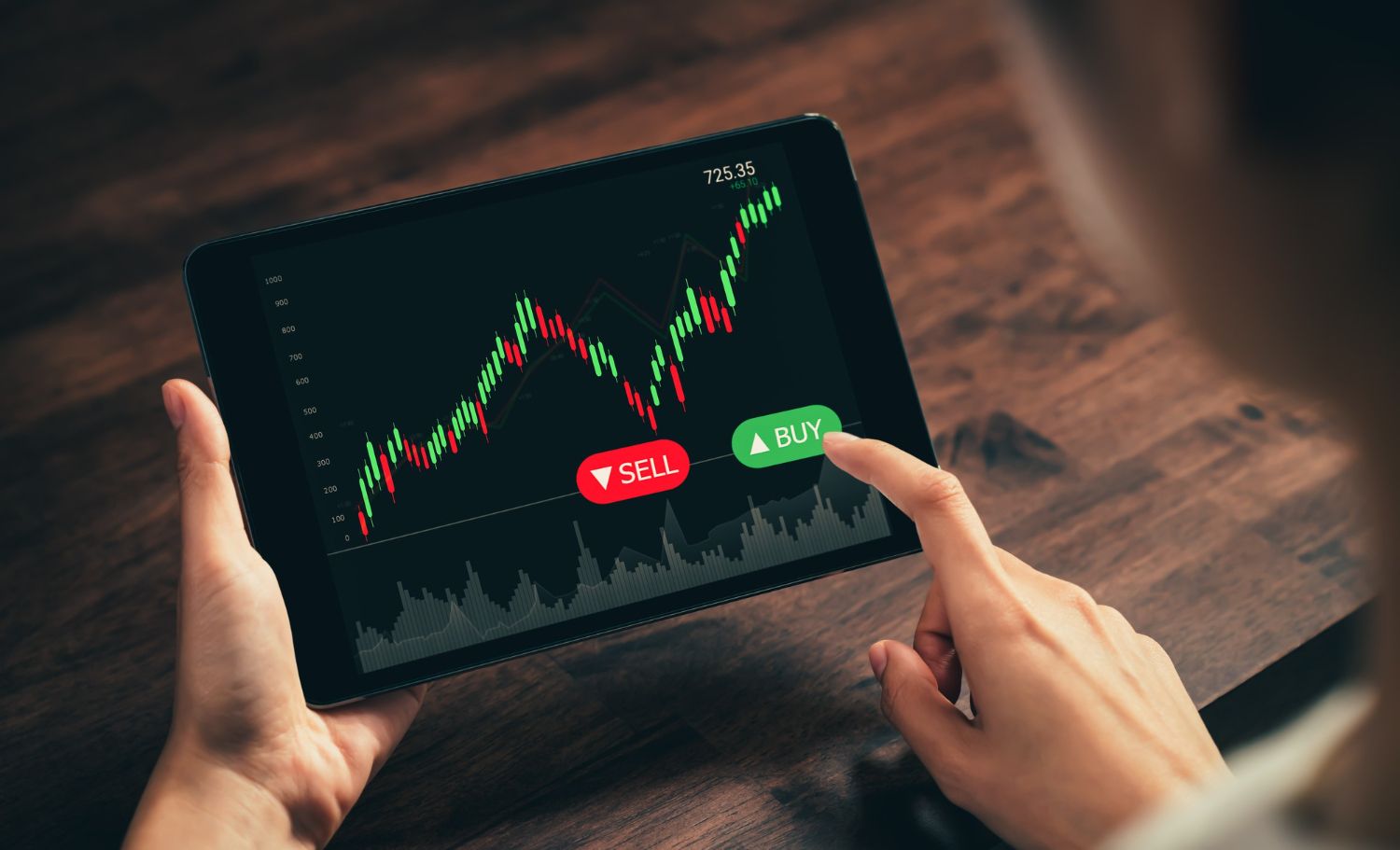
If a trader expects a price increase, they open a “buy” position, and if the price rises, they profit by selling. If they expect a decrease, they open a “sell” position. CFDs allow traders to profit from rising and falling markets. Leverage allows traders to control larger positions with smaller deposits, amplifying potential gains and losses.
Why People Choose CFD Trading
CFD trading is popular for its flexibility and potential for profit in rising and falling markets.
- Traders can go long (buy) or short (sell) to profit from various market trends.
- You can access a wide range of markets, including stocks, forex, commodities, and cryptocurrencies, which offer diversification opportunities.
Another significant advantage is leverage, which allows traders to control more prominent positions with a smaller investment. While leverage can increase profits, it also amplifies potential losses. Thus, traders must use leverage carefully and manage their risk exposure. The flexibility, diverse market access, and leverage make CFD trading attractive for many investors.
The Risks Associated with CFD Trading
While CFD trading offers excellent profit potential, it may also be associated with substantial risks. One of the main risks can be the use of leverage. Leverage can amplify gains and losses, and inexperienced traders may lose more money than initially invested. Traders need to have a solid risk management strategy and use leverage responsibly.
Market volatility is another significant risk factor. Financial markets can be unpredictable, with rapid price movements. This volatility can work in favor of skilled traders but can also result in substantial losses if traders are unprepared. Additionally, CFD trading involves the risk of margin calls. A margin call occurs when the value of a trader’s account falls below the required margin level, which may force the broker to close positions to protect themselves from further losses.
How to Manage Risks and Maximize Rewards
To manage risks and maximize rewards in CFD trading, traders should follow these strategies:
- Use stop-loss orders: Automatically close positions to limit losses when prices hit a certain level.
- Control leverage: Use leverage responsibly within your risk tolerance to avoid excessive exposure.
- Limit risk per trade: Risk only a small percentage of the account on each position to protect capital.
- Diversify investments: Spread your investments across different markets and asset classes to reduce the risk of poor-performing assets.
By employing these techniques, traders can protect themselves from significant losses while taking advantage of potential profits in volatile markets.
Choosing the Right Platform for CFD Trading
When engaging in CFD, selecting the right platform is as crucial as understanding what is CFD trading. A reliable trading platform should offer access to a wide range of markets, low spreads, and tools for effective risk management, such as advanced charting and real-time market data. A platform with a user-friendly interface can improve the trading experience and allow traders to conduct transactions quickly and efficiently.
Choosing a platform that offers educational resources and customer support is also essential. Understanding the market conditions, leveraging available tools, and having access to expert advice can significantly improve a trader’s ability to succeed. Platforms focusing on customer satisfaction and offering helpful resources are invaluable for beginners and seasoned traders.
Understanding the question “What is CFD trading?” is essential for anyone looking to participate in this form of trading. CFD trading offers the potential for significant profits but also comes with substantial risks that traders must be aware of. By selecting the right platform and continuously educating themselves on market conditions, people can improve their chances of success. Trading responsibly, with an understanding of risks and rewards, will ultimately help traders navigate the world of CFDs more effectively.


