






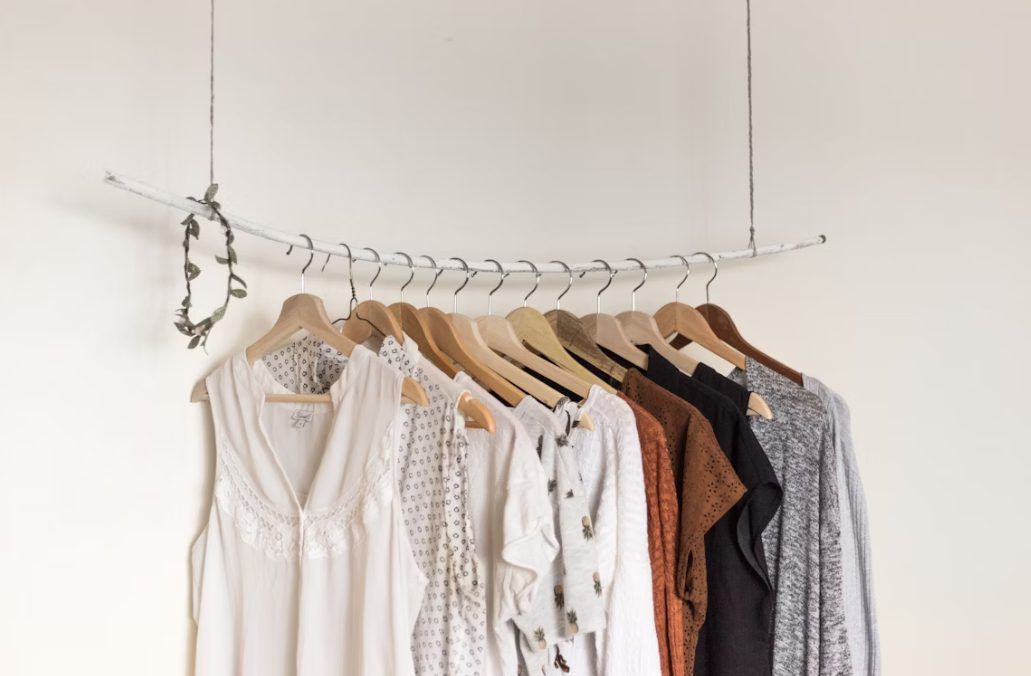
In the vibrant world of fashion, the trend of upcycling old clothes is blossoming, offering a sustainable and creative way to rejuvenate your wardrobe. It’s an eco-friendly approach that marries the joys of creativity with the satisfaction of sustainability. This DIY fashion movement is about transforming those neglected pieces in your closet into refreshed and unique style statements imbued with your personal flair.
The allure of upcycling lies in its ability to create something uniquely yours. In an era where fast fashion dominates, upcycled clothing stands out as a testament to individuality and conscious choice. It’s a statement about personal style and environmental responsibility, a chance to step away from the cycle of constant consumption.
For students, upcycling offers a perfect mix of affordability and creativity. Amid the demands of academic life, from writing papers for college students to conducting term paper research, engaging in a DIY fashion project can serve as a refreshing break. Just as services like write papers for college students provide valuable academic assistance, taking on a DIY project can be a therapeutic outlet for creativity and stress relief, enabling students to express themselves without breaking the bank. Let’s explore the joys of upcycling further!
The Joy of Transforming T-Shirts
Let’s start with something simple like the humble T-shirt, often abundant in our wardrobes. T-shirts are incredibly versatile for upcycling. You can easily transform an oversized tee into a chic crop top or a stylish tank top with just a few cuts and basic sewing.
The beauty of this transformation lies in its simplicity and the vast room for personalization. You can add your touch with fabric paints, tie-dye techniques, or even by incorporating interesting cut-out patterns.
Personalizing Jeans with Flair
Jeans are another staple in most wardrobes and a fantastic canvas for upcycling. Why not breathe new life into an old pair of jeans by adding unique patches, vibrant embroidery, or even a splash of fabric paint?
The rugged texture of denim serves as a perfect backdrop for artistic expression. From minimalist designs to elaborate artworks, your imagination is the limit. This not only revives your old jeans but also creates a statement piece that reflects your personal style.
Creating Unique Accessories
Accessories can transform any outfit, and creating them yourself adds a whole new level of uniqueness. Consider turning a scarf into a stylish headband or a belt. Old sweaters can be repurposed into cozy beanies or mittens. Even the simplest transformations can result in accessories that add a personal touch to your ensemble.
Upcycling as a Sustainable Fashion Statement
In today’s world, where sustainability is increasingly crucial, upcycling is more than a fashion statement; it’s a responsible choice. By repurposing existing clothes, you’re contributing to a more sustainable fashion ecosystem, reducing waste, and minimizing your environmental footprint. This approach resonates particularly well with the values of the younger, environmentally conscious generation.
Outerwear like jackets and coats can be completely transformed with a bit of creativity. An old blazer can be turned into a trendy vest with some cutting and sewing. Adding new buttons, decorative trims, or even a fresh coat of fabric paint can give your old outerwear a fashionable, updated look. This kind of transformation not only gives you a unique piece of clothing but also extends the life of garments, reducing waste.
The Art of Deconstruction and Reconstruction
Deconstruction is another exciting aspect of DIY fashion. It involves taking apart garments to reconstruct them into something entirely new. For example, combining parts of different shirts can create a unique, hybrid design. This method requires a bit more skill and imagination, but the results can be incredibly rewarding, offering a garment that is completely one-of-a-kind.

Upcycling with Embellishments and Learning Basic Sewing Skills
Embellishments are a fantastic way to add sparkle and personality to clothes. Sewing on sequins, beads, or even repurposed jewelry can transform a plain garment into a piece of art. It’s a great way to make a statement and showcase your creativity. Embellishing can be as simple or as intricate as you like, and it allows for a lot of experimentation.
While upcycling, basic sewing skills can be incredibly useful. Knowing how to do simple stitches, either by hand or with a sewing machine, opens up a world of possibilities in DIY fashion. There are numerous resources available online, from tutorials to online workshops, that can help you learn these skills. The ability to mend and alter clothes not only aids in upcycling projects but is also a valuable life skill, promoting a more sustainable lifestyle.
The Role of Upcycling in Fashion Education
For fashion students, upcycling is more than a hobby; it’s a vital part of their education in sustainable fashion practices. Many fashion schools now incorporate upcycling projects into their curriculum to teach students about sustainability in the fashion industry. These projects encourage future designers to think creatively about reducing waste and designing with an environmental conscience.
Upcycling can also be a communal activity. Organizing clothing swaps and upcycling events at schools or within communities can be a fun way to share resources and ideas. It’s an excellent opportunity for students to collaborate, learn from each other, and collectively promote sustainable fashion.
Final Thoughts
The journey into DIY fashion upcycling is more than just a trend; it’s a movement towards embracing a culture of creativity, sustainability, and responsibility. It represents a shift in how we view our wardrobes and our role in the fashion ecosystem. For students and young people, especially, this movement resonates deeply. It aligns with the growing awareness of environmental issues and the desire for a more ethical approach to fashion.
Upcycling is not just about refreshing old clothes; it’s about redefining the relationship we have with our garments. It encourages us to see the potential in what we already own, reducing the need for new purchases and slowing down the cycle of fast fashion. This approach can have a significant impact on the environment, as it helps reduce waste and the carbon footprint associated with producing new clothing.


