



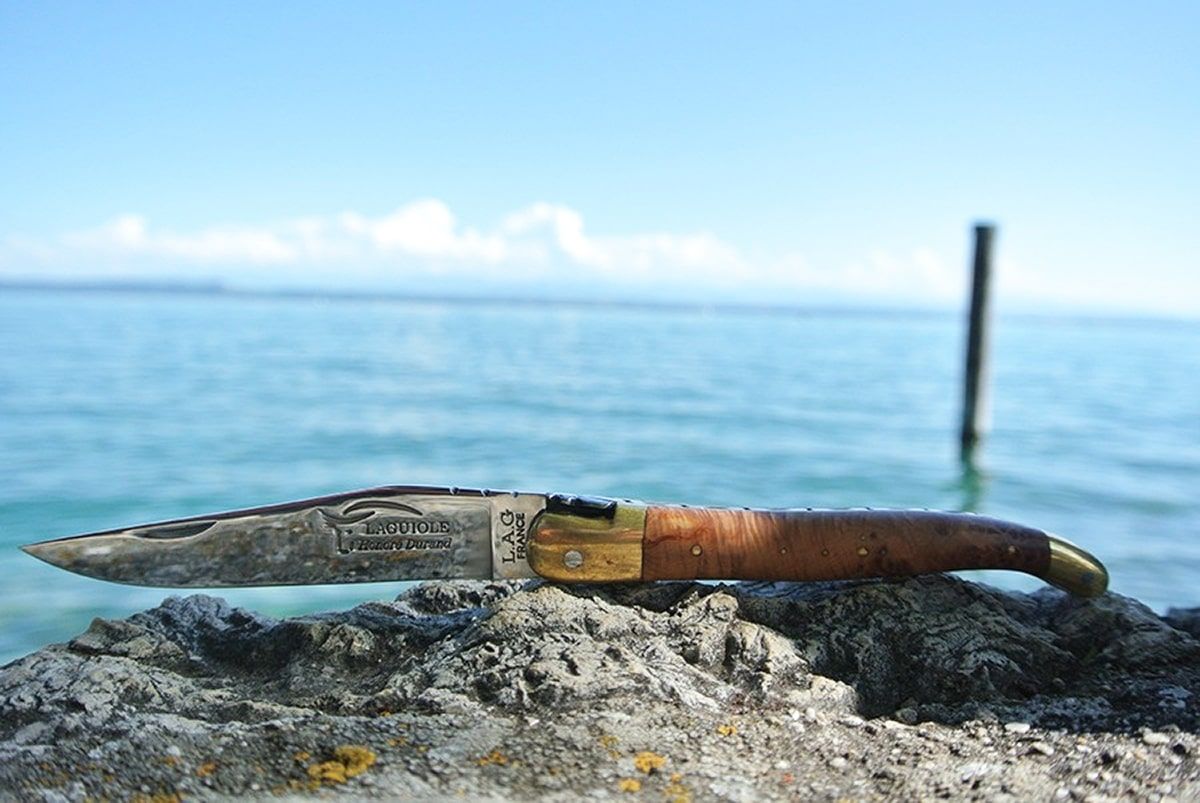
In the world of cutlery, few knives are as iconic and steeped in tradition as the Laguiole knife. Originating in the picturesque village of Laguiole in southern France, these knives are renowned for their exquisite craftsmanship and timeless design. A Laguiole knife is more than just a tool; it’s a work of art, a tribute to French cuisine, and proof of the skill of many generations of blacksmiths and artists. To truly honor the legacy of this remarkable knife, one must understand the art of maintaining it.
The History Of Laguiole Knives
The Laguiole knife, with its distinctive design and intricate craftsmanship, has a heritage that dates back to the early 19th century. Legend has it that a humble shepherd from Laguiole first designed this knife to meet the needs of rural life. Over time, the knife gained popularity not only as a practical tool for shepherds and farmers but also as a symbol of local pride and craftsmanship. The distinctive features of a Laguiole knife include a slender, tapering blade, a handle typically made of natural materials like wood or bone, and the iconic bee emblem on the spine of the blade.
As the demand for Laguiole knives grew, skilled artisans in the region began crafting these knives by hand, passing down their techniques and knowledge from one generation to the next. Today, Laguiole knives are still predominantly handmade by skilled cutlers in the Aubrac region of France, upholding centuries-old traditions.
The Art Of Maintenance
Preserving the legacy of your Laguiole knife begins with proper maintenance. These knives are not only functional but also works of art, and caring for them is a way of honoring the rich history and craftsmanship that goes into their creation. Here are some essential steps to ensure your Laguiole knife remains in pristine condition:
Cleaning:
The first step in maintaining your Laguiole knife is to keep it clean. After each use, gently wipe the blade clean with a damp cloth or a sponge. Do not use rough cleaning pads or strong chemicals on the blade or handle; they will damage them.
Hand Washing:
Laguiole knives are not dishwasher-safe. Always wash your knife by hand with mild soap and warm water. Using a towel to dry it completely will keep any water from sticking to the blade or handle.
Storing:
The right way to store your Laguiole knife will keep it in good shape and make it last a long time. To keep the blade safe when not in use, you might want to buy a blade guard or a magnetic knife strip. Do not put it away in a box with other kitchen tools, as this could cause scratches and nicks.
Sharpening:
If you want to keep your Laguiole knife sharp, you need to sharpen it often. You can use a sharpening steel or a whetstone to keep the blade in optimal condition. If you’re not confident in your sharpening skills, it’s advisable to seek professional sharpening services.
Oiling:
To prevent the wooden handle from drying out and cracking, apply a small amount of food-safe mineral oil or beeswax to the handle periodically. This keeps the handle’s natural beauty and makes sure it stays smooth to the touch.
Handle With Care:
Treat your Laguiole knife with respect and care. Not cutting through hard or frozen things with it, because that can hurt the blade. Instead, opt for a more appropriate knife for such tasks. Additionally, never use the knife as a prying tool or subject it to excessive force.
Honoring Tradition:
Laguiole knives often have intricate engravings on the spine of the blade and decorative elements on the handle. Take care not to scrub or damage these unique features during cleaning and maintenance.
Tips For Longevity
Here are some additional tips to ensure the longevity of your Laguiole knife:
Use A Wooden Or Soft Cutting Board: Choose a cutting board made of wood or soft plastic to protect the knife’s edge.
Hand Wash Immediately After Cutting Acidic Foods: Acidic foods like tomatoes can react with the blade and cause discoloration. To prevent this, wash your knife promptly after cutting such foods.
Rotate Your Knives: If you have multiple knives in your collection, rotate their use to prevent overuse of one particular knife.
Professional Maintenance: Consider having your Laguiole knife professionally serviced and sharpened by a skilled cutler or knife expert at regular intervals.
Conclusion
The Laguiole knife is more than just a kitchen tool; it’s a symbol of tradition, craftsmanship, and culinary heritage. By understanding and practicing the art of maintaining your Laguiole knife, you not only ensure its longevity but also pay homage to the artisans who have dedicated their skills to creating these timeless pieces. With proper care and respect for this culinary masterpiece, your Laguiole knife can continue to serve you and your family for generations to come, preserving its legacy in the heart of your kitchen.


