






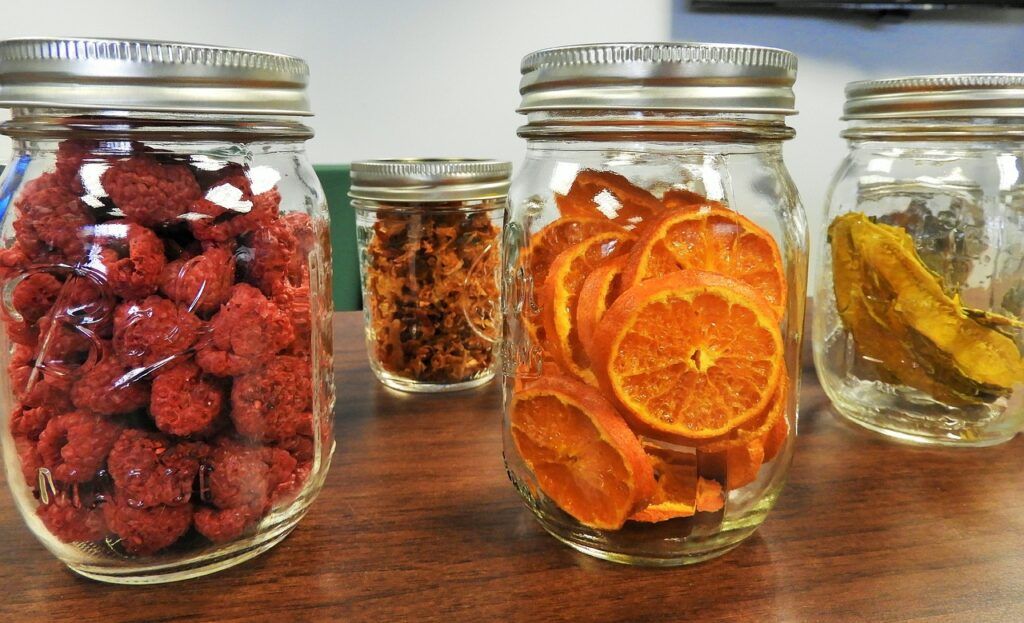
In the world of culinary innovation, dehydrated food products have emerged as a convenient and flavorful solution for preserving fruits, vegetables, meats, and more. Whether it’s the intense umami of dehydrated mushrooms or the sharp tang of dehydrated cheese, these pantry staples offer a versatile and long-lasting option for home cooks and food manufacturers alike. This blog explores the growing popularity of dehydrated food products, their benefits, and the wide range of options available, including dehydrated mushrooms and dehydrated cheese.
Understanding Dehydrated Food Products
Understanding dehydrated food products involves recognizing their extended shelf life, reduced weight, and retained nutritional value achieved through the removal of moisture.
The Dehydration Process
Dehydration is a method of food preservation that involves removing moisture from food items, thereby inhibiting the growth of microorganisms and extending shelf life. This process helps retain the flavor, nutrients, and texture of the original ingredients while reducing their bulk and weight.
Versatility and Convenience
Dehydrated food products offer versatility and convenience in the kitchen. From lightweight camping meals to gourmet culinary creations, these shelf-stable ingredients can be easily rehydrated and incorporated into a wide range of dishes, making them a favorite among home cooks, outdoor enthusiasts, and food manufacturers alike.
The Benefits of Dehydrated Foods
The benefits of dehydrated foods include prolonged shelf life, reduced weight for transportation, preservation of nutrients, and versatility in culinary applications.
Extended Shelf Life
One of the primary benefits of dehydrated food products is their extended shelf life. By removing moisture, the risk of spoilage and microbial growth is significantly reduced, allowing these products to be stored for months or even years without refrigeration.
Nutrient Retention
Contrary to popular belief, the dehydration process does not significantly compromise the nutritional value of food items. While some vitamins and minerals may be slightly reduced, the majority are retained, making dehydrated foods a nutritious option for consumers.
Flavor Intensity
Dehydrated food products often boast a more intense flavor profile compared to their fresh counterparts. This is particularly true for ingredients like mushrooms and cheese, where the dehydration process concentrates the natural flavors, resulting in a richer, more robust taste, and chocolate lovers can Buy Mushroom Chocolate Canada.
Popular Dehydrated Food Products
Popular dehydrated food products include dried fruits like raisins and apricots, jerky made from meats like beef or turkey, and dehydrated vegetables such as sun-dried tomatoes or dried mushrooms.
Dehydrated Mushrooms
Dehydrated mushrooms are a versatile ingredient prized for their intense umami flavor and meaty texture. They can be rehydrated and used in a variety of dishes, including soups, stews, pasta sauces, and stir-fries, adding depth and complexity to culinary creations. This is particularly relevant for prized morel mushrooms, given their scarcity and short season. If you’re wondering how to store morel mushrooms to extend its shelf life, dehydrating is an effective method for preserving them for future enjoyment.
Dehydrated Cheese
Dehydrated cheese offers a convenient and shelf-stable option for adding cheesy goodness to dishes. From powdered cheese for macaroni and cheese to dehydrated cheese crisps for snacking, these products provide a burst of flavor without the need for refrigeration.
The Future of Dehydrated Foods
The future of dehydrated foods involves advancements in technology, expanded flavor profiles, and increased sustainability to meet growing demand for convenient, nutritious, and shelf-stable food options.
Innovation and Sustainability
As consumer demand for convenient and sustainable food options continues to grow, so too does the market for dehydrated food products. Food manufacturers are exploring innovative techniques and ingredients to meet this demand while minimizing waste and environmental impact.
Diverse Applications
Dehydrated food products have applications beyond the kitchen. They are used in emergency preparedness kits, backpacking meals, and military rations, providing nourishment and convenience in various situations where fresh food may not be readily available.
Conclusion: A Flavorful Journey
Dehydrated food products offer a convenient, nutritious, and flavorful option for consumers looking to extend the shelf life of their favorite ingredients. From the intense umami of dehydrated mushrooms to the sharp tang of dehydrated cheese, these pantry staples provide endless possibilities for culinary creativity. As the market for dehydrated foods continues to expand, so too will the options available to consumers, offering delicious and sustainable solutions for the modern kitchen.


