



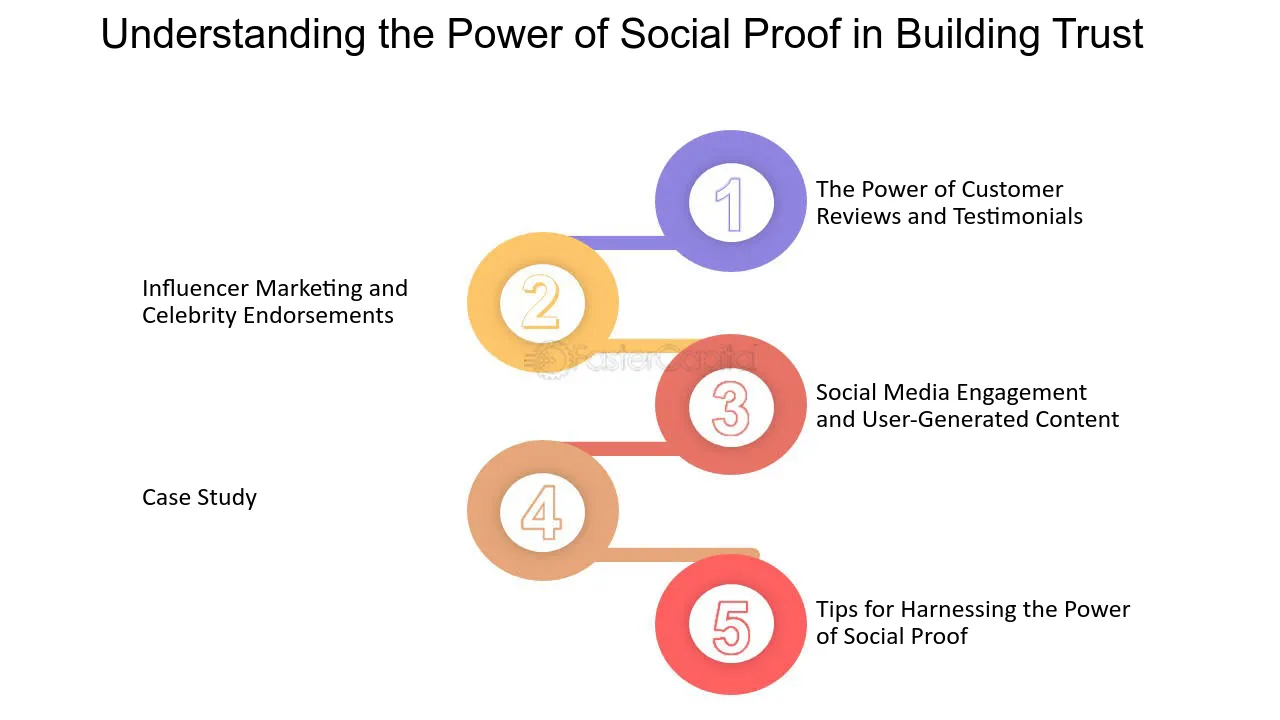
Social proof is a powerful tool that helps people make decisions, especially when they’re unsure or taking a risk. In capital campaigns, where large sums of money and long-term investments are involved, building trust is key. Investors want to feel confident that their money is going to the right place. One of the best ways to build that trust is by showing proof that others have already trusted you—and seen results. Whether it’s testimonials, success stories, or being featured in the news, these signals help ease the concerns investors often have. They show that a campaign or project has real value and a solid track record. By using social proof in the right way, businesses can make their capital campaigns more appealing and reduce the hesitation investors might feel.
When people see that others have already taken the leap and succeeded, they feel more comfortable doing the same. This is why social proof works so well—it shows that the opportunity isn’t just a good idea in theory. It’s already working for others. In capital raising, where investors might not know the developers or the details behind a project, this trust is even more important. Social proof gives potential investors the confidence to say “yes” faster. It speeds up decision-making and helps campaigns reach their funding goals more quickly.
The Psychology Behind Social Proof in Investment Decisions
At its core, social proof is all about trust. When people see others supporting something, they feel more confident doing it too. In the world of investing, especially for new or unfamiliar projects, this can make a huge difference. Investors want to see signs that other people believe in a project before they commit their own money. That’s why social proof can help remove doubts and create a sense of safety. It tells potential backers that others have done their homework—and found something worth supporting.
Social proof also helps ease the fear of missing out. If an investor sees a campaign getting attention, collecting funds quickly, or backed by respected figures, they might feel encouraged to jump in before it’s too late. This feeling creates momentum, which can help push a campaign toward its goals. Working with professionals who understand this dynamic, such as those in capital raising consulting, can be a smart move. They know how to present social proof in a way that builds trust without overwhelming potential investors. This kind of support can make a big difference in turning interest into real investment.
Leveraging Testimonials to Build Emotional Credibility
Testimonials are one of the most trusted and relatable forms of social proof. When investors hear from people who have already supported a campaign and had a good experience, it gives them confidence. These real stories help future investors feel that they’re not alone—and that others have found success in a similar situation. A strong testimonial shares not just the facts but the emotions behind the decision. It shows how the investor felt before, during, and after the process. This emotional credibility is powerful because it speaks directly to the feelings and fears of new investors.
Testimonials work best when they are specific and honest. Instead of vague praise, they should describe what made the experience successful. Maybe it was the easy communication, clear expectations, or the strong returns. Sharing that level of detail helps others relate and see themselves having the same outcome. When collected and used properly, testimonials become an important part of a campaign’s message. They tell the story from the investor’s point of view. Many firms that offer capital raising services understand how to gather and showcase testimonials in a way that speaks directly to the investor’s concerns and goals.
Demonstrating Track Record and Performance Metrics
Having a strong track record is one of the most convincing forms of social proof. Investors want to know that the people they’re trusting have done this before—and done it well. Numbers like project completion rates, average returns, and investor satisfaction scores help prove this. When developers share these numbers openly, they show that they’re proud of their performance and have nothing to hide. That kind of openness builds trust quickly. It also shows that the campaign is run by people who take results seriously.
Performance metrics are even more powerful when paired with real examples. Showing how past campaigns reached their goals—or even went beyond them—makes the numbers feel more real. It tells potential investors that this isn’t just talk; it’s proven success. For new investors especially, seeing a pattern of good outcomes can help them feel safer about joining in. This is one reason why businesses often work with professionals to pull together the right data and present it clearly. A strong track record is one of the best tools for reducing friction in the decision-making process. When investors see proof of consistent results, they’re more likely to trust the process and commit their support.
Media Coverage and Industry Recognition as Trust Signals
Positive media coverage and industry recognition can do wonders for an investor’s confidence. When a company or project is featured in well-known news outlets or earns awards, it gains third-party validation. This type of social proof shows that others outside of the campaign also see value and potential. Investors may not always trust promotional materials, but they are more likely to trust respected media sources. Seeing a campaign mentioned in credible publications gives investors a sense that it’s not just hype—it’s the real deal. It also suggests that professionals have already reviewed and found merit in the project.
Public exposure like this can also help spread awareness. A well-timed article or news mention can increase traffic to a campaign’s page, attract new investors, and keep the conversation going. To get this kind of media attention, many capital campaigns work with a digital marketing company in New York or similar agencies. These experts understand how to create press releases, pitch stories to journalists, and craft messaging that makes a campaign newsworthy. By helping a campaign appear in trusted places, these firms support both visibility and credibility. When investors see that a project is recognized in the media, it often confirms that their interest is well-placed.
Using Case Studies to Showcase Success Stories
Case studies allow capital campaigners to tell deeper stories about their past successes. Instead of just listing numbers or quotes, a case study shows the full journey of a project from start to finish. It explains the challenge, the steps taken, and the results. This helps investors understand the process and what made the campaign successful. When done well, case studies show that the campaign team knows how to handle problems, adapt, and deliver results. That kind of detail builds a sense of reliability and skill that many investors look for.
Case studies also help connect emotionally with potential investors. They can highlight stories of people who believed in the project early on and saw it grow. They also show the positive impact a campaign has had on communities, customers, or partners. This kind of storytelling can be just as powerful as statistics. For businesses using social proof, case studies are a great way to mix data and emotion. Many campaigns that succeed at raising large amounts of funding use at least one or two case studies to make their pitch stronger. These stories help investors picture what success looks like—and see that it’s possible for them, too.
Combining Multiple Forms of Social Proof for Maximum Impact
Each type of social proof—testimonials, media coverage, case studies, and track records—is strong on its own. But when combined, they become even more powerful. A campaign that includes investor stories, news mentions, data, and success examples creates a well-rounded and convincing message. This helps answer different types of questions investors may have. Some might care most about the numbers, while others want to hear from people like them. Using multiple types of proof means more people will find something they relate to. It makes the campaign feel complete and trustworthy.
Putting all these elements together takes planning, and this is where expert support comes in. A team with experience in capital raising consulting can help organize and shape these proof points so they tell a clear story. They know what kinds of materials speak to different investor groups and how to avoid overwhelming them. By guiding the campaign toward the right balance of emotional and factual content, consultants help improve its chances of success. With the right mix of social proof, investors feel more confident, and that confidence turns into action.
Final Thoughts
Social proof is now a powerful force in guiding investor decisions during capital campaigns. It helps build trust quickly by showing real experiences and outcomes from people who have already taken the leap. In an environment where investors are presented with countless options, social proof provides clarity and reassurance. When individuals see others backing a project and benefiting from it, they feel more confident doing the same. This sense of validation can speed up decision-making and drive stronger engagement with the campaign. It also reduces the need for overly aggressive sales tactics, allowing campaigns to speak for themselves. As a result, campaigns that embrace social proof often experience more organic and sustainable growth.
Elements like testimonials, proven track records, media coverage, and compelling case studies each add unique value to the investor experience. When combined, they create a compelling narrative that speaks to both logic and emotion. It’s not just about showing potential—it’s about demonstrating that success is achievable and has already been achieved. By integrating these tools thoughtfully, campaigners can strengthen their message and deepen their connection with potential investors. This comprehensive approach helps remove uncertainty, especially for those who may be unfamiliar with the team or project. Ultimately, social proof turns curiosity into confidence and interest into real investment.


