



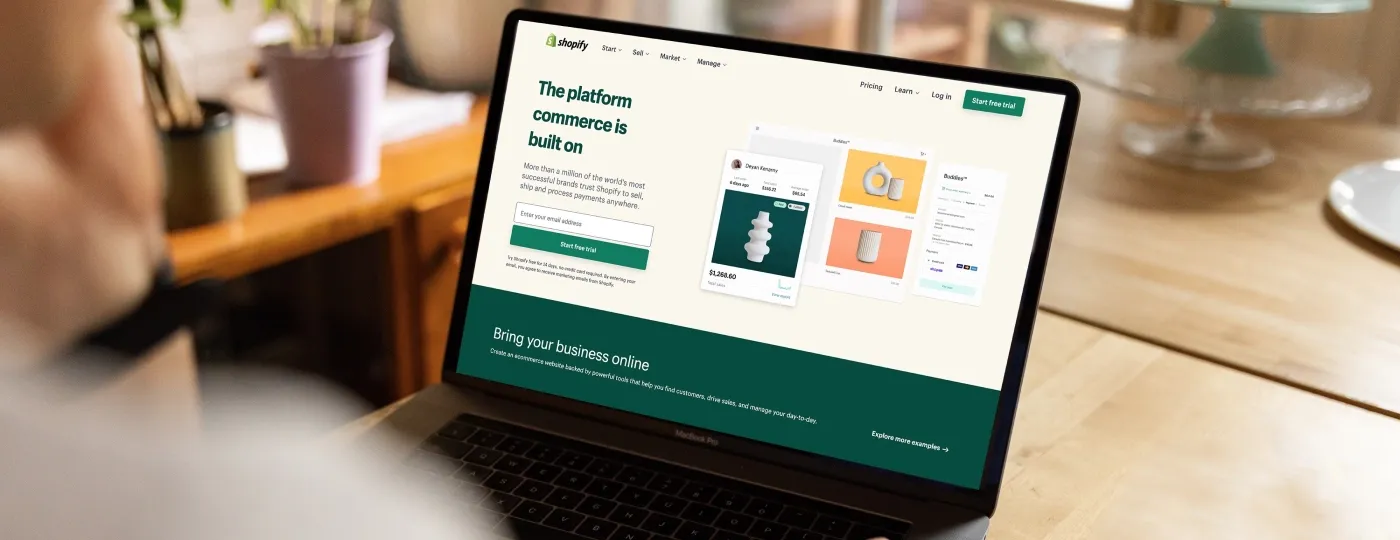
Starting or upgrading a Shopify store feels a lot like hiring a contractor to build your dream house. You want someone who shows up on time, stays within budget, and doesn’t cut corners on the foundation. With Shopify now running over 1.7 million live stores and global eCommerce expected to hit $8.1 trillion by 2026 (Statista, 2025), picking the right Shopify development company isn’t just smart—it’s survival. This guide walks you through the real questions to ask, the red flags to dodge, and the quiet details that separate solid partners from shiny sales pitches.
The Cost of a Poor Partnership
I’ve seen it firsthand: a friend paid a budget agency $4,000 for a “custom” store that crashed during its first flash sale. Customers bailed, refunds piled up, and the site needed a full rebuild six months later. A weak Shopify development company can burn through your cash and credibility. On the flip side, a capable one delivers measurable gains—think 30–50% faster load times, lower cart abandonment, and smoother scaling when traffic spikes. The difference isn’t luck; it’s expertise, process, and follow-through.
Step 1: Evaluate Technical Expertise and Shopify Certification
Shopify Partner Status and Certifications
Look for the Shopify Partner badge first. Better yet, hunt for Shopify Experts or Shopify Plus Partners. These aren’t participation trophies—Shopify audits code samples, client results, and team certifications before handing them out. Ask: “How many certified developers do you have on staff?” A serious Shopify development company will name names and show recent badges.
Portfolio and Case Studies
Don’t just glance at pretty screenshots. Dig into the numbers. Ask for case studies with hard stats:
- “What was the before/after load time on that jewelry store?”
- “How much did AOV increase after the checkout redesign?” Real partners share Google Analytics exports or Shopify dashboard snippets (with client permission). If they dodge or only show mockups, keep scrolling.
Step 2: Assess Customization and Innovation Capabilities
Beyond Templates: Bespoke Development
Templates are fine for day-one launches, but growth demands custom work. A strong Shopify development company can build:
- Product configurators (think custom skateboards)
- Subscription logic with Recharge or Bold
- Headless frontends using Hydrogen + React Ask them to walk you through a past custom job. If they light up talking about API rate limits or webhook debugging, you’re in good hands.
Alignment with 2025 Trends
Mobile now drives 54% of Shopify traffic. AI personalization is no longer a buzzword—top agencies are wiring Shopify’s KLaviyo or Segment data into recommendation engines. Ask: “How do you handle PWA conversion for mobile users?” The answer should include real tools, not marketing fluff.
Step 3: Ensure Transparent Communication and Project Management
Agile Methodology and Regular Updates
Expect weekly stand-ups, not radio silence. A reliable Shopify development company uses Slack channels, Notion boards, or ClickUp tasks you can actually see. They assign a single point of contact—usually a project manager who translates dev-speak into plain English. I once worked with an agency that sent daily GIF summaries; silly, but it kept everyone aligned.
Clear Pricing and Scope Definition
Get everything in writing:
- Phase 1: Discovery & wireframes – $X
- Phase 2: Theme + custom sections – $Y
- Post-launch retainer: $Z/month Watch for “unlimited revisions” promises—those often hide scope creep. Fixed-price for defined scopes, hourly for exploratory work. That’s the fair split.
Step 4: Review Budget Considerations and Value Delivery
Cost vs. Long-Term ROI
Basic stores start around $5,000. Shopify Plus builds with ERP integration? Easily $80K–$150K. Don’t flinch at the sticker if the math works: a $20K investment that cuts cart abandonment from 70% to 50% pays for itself in two good months. Compare three quotes, but weigh lifetime cost, not just the invoice.
Hidden Costs to Avoid
Cheap agencies often skip:
- Proper QA across iOS/Android
- SEO meta setup (hreflang for multi-language)
- Data migration validation Ask: “Is performance testing included?” If they blink, walk.
Step 5: Confirm Post-Launch Support and Scalability
Ongoing Maintenance and Monitoring
Your store isn’t a set-it-and-forget-it appliance. A pro Shopify development company offers retainers covering:
- App compatibility updates
- Security patches
- Monthly speed audits Expect 99.99% uptime SLAs and 2-hour emergency response. Black Friday doesn’t wait for Monday.
Scalability Planning
Ask: “How does this architecture handle 10,000 concurrent users?” Answers should name CDNs (Cloudflare, Fastly), Redis caching, and Shopify’s built-in scaling tools. If they mention “we’ll upgrade later,” that’s code for future headaches.
Additional Evaluation Criteria
Security and Compliance
PCI DSS isn’t optional. GDPR cookie banners, CCPA opt-outs, and regular penetration tests should be table stakes. Request their latest security audit summary.
Data and Analytics Integration
Day-one setup: GA4, Shopify Analytics, and a custom Looker Studio dashboard. You should see conversion funnels broken down by traffic source within week one of launch.
Client References and Reviews
Call two references. Ask: “What surprised you—good or bad?” Honest answers beat five-star reviews every time.
Action Plan: How to Proceed
- List your non-negotiables — custom checkout, multi-currency, subscription logic?
- Shortlist 3–5 agencies via Shopify Partner Directory + Clutch.
- Send a mini-RFP — one page: scope, timeline, budget range.
- Interview live — screen-share a past project, watch them navigate code.
- Run a paid discovery sprint ($1K–$3K) before signing the big contract.
- Lock in IP ownership and support terms in the MSA.
Measuring Success Post-Launch
Within 90 days, benchmark:
- Core Web Vitals: LCP < 2.5s
- Mobile conversion rate > 2.5%
- Cart abandonment < 65%
- Organic traffic growth > 15% Your Shopify development company should deliver monthly reports with action items, not just pretty charts.
Conclusion
The right Shopify development company doesn’t just build a store—they build a growth engine. Prioritize certified expertise, radical transparency, and a support plan that scales with you. In 2025, when every millisecond and every abandoned cart counts, this partnership isn’t a line item—it’s your unfair advantage. Take the time to vet thoroughly, and your store won’t just launch; it’ll dominate.


