



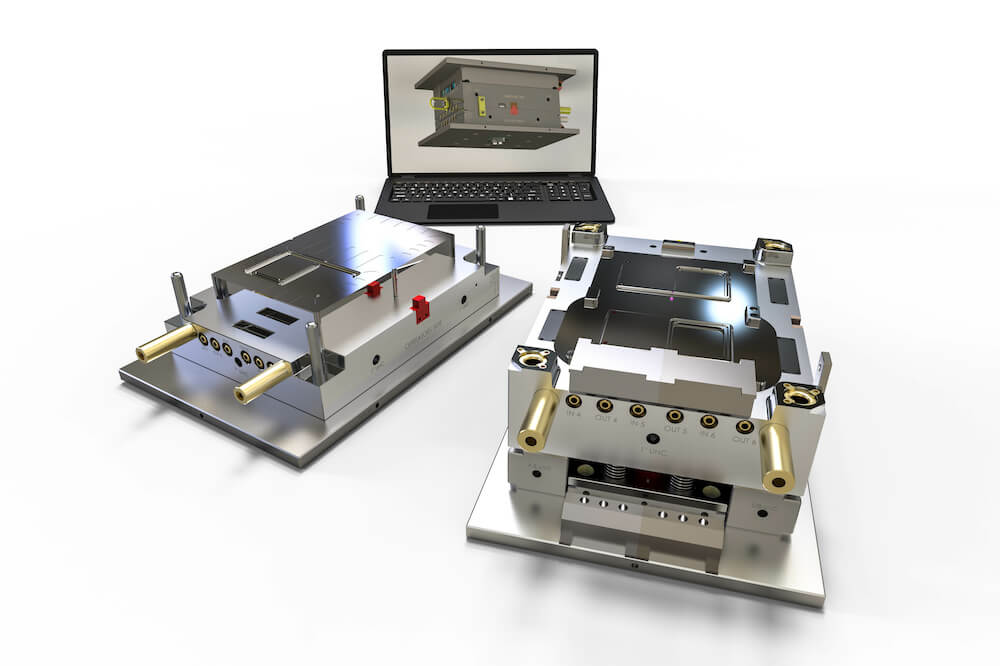
Accuracy is extremely critical in prototype making. The entire process focuses on fabricating molds to create parts that will perform to specific design specifications. In fact, different mold fabrication stages will impact the fidelity and functionality of part prototypes in the evaluation stage. Each phase builds on the previous one, making it vital to get every detail right from the start.
Teams working on product development know that understanding mold fabrication of a prototype is essential for success. Knowing these essential steps will lead teams to a successful result. From initial design concepts to final inspection, following a structured approach helps avoid costly errors. Let’s walk through the key stages involved in creating molds that deliver accurate prototypes.
Conceptualization and Initial Design
A brilliant concept is the start of every successful mold fabrication job. The teams compile comprehensive specifications, which may include sizes, tolerances, and material specifications. The next steps rely on accurate sketches and 3D models. This is where good communication between both engineers and designers takes place to discuss potential problems early on, reducing complications down the line.
Material Selection
The materials used in the fabrication of the molds affect the strength of the prototypes as well as the manufacturing process. Thermal resistance, hardness, and flexibility are three main factors that teams weigh. The material should not warp or become degraded due to production stress. By taking a moment to consider this process, you can ensure the longevity of the mold and the repeatability of the prototype.
Tool Design and Engineering Analysis
Tool design bridges the gap between ideas and implementation. Engineers create detailed plans that pay particular interest to the mold’s geometry, as well as the gating and venting systems needed. Selection of the right software is very important for any plastic product simulation, as it helps to predict problems such as air traps, shrinkage, and the type of plastic used, and so on. You can finalize any changes in this stage before physically producing it, which saves time and costs.
Precise Machining and Construction
The process involves the conversion of digital components into physical ones. Computer-controlled mills or lathes, for example, are a type of high-precision equipment that carves out mold cavities almost to the millimeter precision. According to the National Institute of Standards and Technology (NIST), precision machining standards are essential for maintaining quality in manufacturing processes. Expert technicians keep an eye on the progress and adjust to specify tolerances on the fly. Attention to detail here is key because small mistakes can lead to defects in prototype parts.
Surface Treatment and Finishing
The surface quality of the mold determines the appearance and performance of the prototype part. Molds need to be polished, coated, or textured after machining. This type of treatment gets rid of blemishes and also primes the ground for manufacturing. An even surface allows prototypes to release easily and prevents defects during molding.
Assembly and Alignment
After both individual mold components are produced, accurate assembly takes place. Technicians line up every bit, looking at holes between pieces or misalignments that will affect the accuracy of the prototype. Dimensional verification is an example of quality control checks that make sure the assembled mold conforms to the design. Mold assembly can help achieve repeatable outcomes for production runs as a prototype in models.
Testing and Validation
Molds are tested extensively with trial materials before full-scale production. These trials expose any fit, flow, or release problems. Prototypes are compared to the original designs for all dimensions and tests of function by engineers. Feedback obtained during this stage is used to tweak the mold to allow for continuous production.
Iterative Adjustments
It may take a few rounds of testing the mold and modifying it to get it right. Test results are reviewed by teams, and improvements are identified and made. With each adjustment, the prototype lays the groundwork for perfection, lessening the likelihood of expensive mistakes down the line. If you practice patience and persevere through this stage, you will be rewarded with high-quality results that you can trust.
Documentation and Record-Keeping
Accurate records provide insight for future projects and ongoing maintenance. Documentation: Each step is documented, including design decisions, material specifications, and the results of all testing. Comprehensive documentation helps in troubleshooting, training new employees, and copying successful molds. Having a well-kept record also helps in ensuring that your facility is compliant with the industry standards.
Final Inspection and Approval
Before placing the mold in regular use, a thorough inspection ensures it meets all specifications. Check the dimensions, surface quality, and assembly accuracy with the inspectors. This level of approval indicates that the mold is prepared for continued production of high-accuracy prototypes. Make sure all remaining issues are resolved before proceeding.
Conclusion
A good and precise prototype rests upon how accurately the mold is made. Every step, from concept to final approval, adds precision and reliability to the end product. When teams invest in quality at every level, they can count on reliable results and happy customers. These important milestones lead to repeatable and successful prototype production.


