



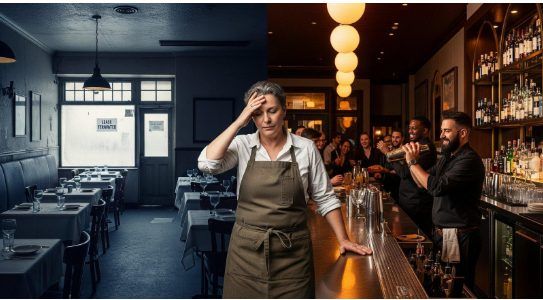
The restaurant journeys featured on the Save Fry Oil podcast are inspirational because they show the grit, resilience, and smart decision-making it takes to survive in a tough industry. Instead of highlighting only polished success stories, the podcast looks closely at the “hard lessons” and real problems-from dealing with global pandemics to losing a lease-offering a practical path others can follow.
By listening to these Chef & Restaurant Stories by Save Fry Oil, both new entrepreneurs and long-time operators find a community of experts who prove that success grows from the ability to adapt and the willingness to share failures openly.
Hosted by Duncan Hunter and a rotating group of experienced experts like Kieron Bailey, Susan Tung, and Chrissy Symeonakis, the show works as a global meeting place. It brings together voices from the US, UK, Canada, Australia, Ireland, and New Zealand, so the inspiration is as varied as the culinary scene itself.
Whether it is a second-generation owner updating a family legacy or a tech CEO making delivery more human, these stories offer the spark needed to turn a struggling kitchen into a profitable, community-focused business.
What Makes Restaurant Journeys on the Save Fry Oil Podcast Inspirational?
Key Qualities Shared by Featured Restaurant Owners
Many guests on the Save Fry Oil podcast share one clear trait: a strong commitment to both their craft and their community. For example, Falayn Ferrell of Black Restaurant Week points out that restaurants are often the “soul of their communities,” usually the first to hire locally and give back, even when they are ignored in conversations about social problems. This joint focus on business and social impact creates a purpose-driven story that goes far beyond simple profit.
These owners also share a “numbers-first” mindset that actually fuels their passion. As Susan Tung, owner of Hanoi House, says on the show, passion is the engine, but “dollars and numbers pay the bills.” This grounded approach-balancing the art of cooking with the math of financial ratios-is a common trait of the successful restaurateurs featured in each episode.
How Storytelling Fuels Restaurant Innovation and Resilience
The podcast uses real stories as a tool for resilience. By talking about “invisible operational ripple effects” caused by lack of funding or the “disturbing patterns” in tech spending, guests like Ivan Brewer help listeners avoid common mistakes.
Hearing how Anton Kinloch fast-tracked the launch of Lone Wolf in just two months after a lease disaster gives a clear example of how high-pressure situations can push people to find new ideas.
This openness creates a strong link between the guest and the listener. When a general manager like Nerida in Sydney hears Susan Tung talk about building a restaurant that doesn’t need her there 24/7, it is more than a simple tip-it completely changes how she might think about her role.
These stories motivate listeners to stop guessing and start putting systems in place that give them back their time and protect their mental health.
Why Diverse Culinary Backgrounds Matter in Inspirational Journeys
Diversity on this podcast is a source of fresh ideas, not just a talking point. The show looks at how West African food and Caribbean fusion point to the “next flavor wave” in America. By featuring voices from many cultural backgrounds, the podcast shows how long-standing techniques-such as Chinese “cowboy cooking” or the precision of a Wagamama development chef-can be adjusted for today’s guests.
These different viewpoints also tackle deeper structural barriers. The work of the Feed the Soul Foundation, discussed on the show, shows how helping minority-owned food businesses with stipends and expert advice can lead to a 98% sustainability rate-far higher than the national average. This shows that inspiration, when paired with the right support and cultural recognition, can create long-term economic change.
Types of Restaurants and Personalities Highlighted on the Save Fry Oil Podcast
Family-Owned and Second-Generation Restaurant Successes
The podcast often looks at the complex nature of family businesses. A standout example is the story of Joanna and Jeanette, the sisters behind Toronto’s Yueh Tung Restaurant. They describe the emotional and professional journey of taking over a legacy Hakka Chinese restaurant, handling everything from their father’s “cowboy cooking” style to modern marketing needs. Their story shows how to respect tradition while moving toward the future.
In a similar story, Anna Ping of Great Fountain talks about turning a Hong Kong-style fast food stall into a viral hit. These episodes bring forward the “uncomfortable truths” of the industry, such as gender issues and the pressure of carrying a family name, while showing how social media can turn a traditional customer base into a younger, more engaged audience.
Restaurateurs Breaking Barriers in the Culinary Industry
The Save Fry Oil podcast highlights people who are actively changing the industry. Through the story of Black Restaurant Week, listeners hear how the organization grew from 20 restaurants in Houston to over 1,500 nationwide. This part of the show focuses on the power of data-based advocacy and the need for visibility for underrepresented chefs and caterers.
These stories go beyond staying afloat; they focus on excellence. Guests share how they turned “meat-and-potatoes towns” into centers for modern cocktail culture or used special ingredients to draw in totally new crowds. These leaders show that with the right plan, any barrier can be broken down.
Innovative Concepts: From Pop-Ups to Franchise Growth
New ideas often start small, and the podcast follows that growth. Visionary chefs like Jae Lee share how they expanded Korean-American concepts from New York to Boston, even during a global pandemic. These episodes explain the wins of opening multiple locations and the leadership style needed to keep teams driven in a crisis.
The show also looks at large-scale operations, featuring corporate management experts who talk about growing and leading bigger groups. Whether it’s a small pop-up or a 30-unit plan like Crust Pizza, the podcast looks at the systems-such as integrated tech and clear standard operating procedures-that keep that growth steady.
Popular Episodes Showcasing Inspirational Restaurant Journeys
Episode Highlights: Turning Challenges Into Opportunities
Some episodes stand out with listeners for their raw honesty. One such episode features Anton Kinloch and Susan Tung talking through the details of opening cocktail bars under pressure. They explain how tightening costs during tariff spikes and giving staff the power to experiment can turn a possible financial crisis into a creative win. Listeners say these talks “snap them out” of unhelpful habits.
Another highlight is the “Meet the Hosts” episode, where Kieron, Chrissy, and Susan share their own unexpected paths into hospitality. By talking about “strange orders” and food memories, they show their human side and make their advice on “cheap shoes” and “documenting the madness” feel like friendly guidance shared over a late-night kebab.
Case Study: Black Restaurant Week Supporting Culinary Entrepreneurs
Episode 13 is a key moment for the podcast, featuring Falayn Ferrell’s insights into the Feed the Soul Foundation. This episode explains the “invisible operational ripple effects” of starting a business without enough funding and how smart, useful email newsletters can reach a 50% open rate. It works as a powerful case study on how group advocacy can create a $75 million economic impact in one city like Atlanta.
This episode also talks about the “dual impact of gentrification” on long-standing neighborhood spots, giving a detailed look at how the industry must adjust to changing city landscapes. It’s a must-listen for anyone interested in the meeting point of food, culture, and long-term economic health.
Reviving Tradition Versus Embracing Innovation in Restaurant Operations
The pull between the “old way” and the “new way” shows up again and again. In her episode, Anna Ping of Great Fountain shares how she balanced her goal of a design career with the needs of her parents’ traditional stall. The episode makes it clear that social media is more than “likes”-it can change the age and style of a customer base so the business can last for another generation.
Along the same lines, Jamie Henderson of Wagamama talks about how the “Kaizen” philosophy-getting a little better every day-drives food innovation. From “watermelon tuna” to “vegan squid,” these stories show that innovation does not mean leaving your roots behind; it means using them as a base for something fresh.
How the Save Fry Oil Podcast Offers Lessons for Aspiring Restaurateurs
Strategic Insights: Cost-Saving and Scaling for Sustainable Success
The podcast shares practical, high-impact financial tips. One recurring message is the value of tracking “prime costs” every week. Listeners like Jasmine from Chicago say that after hearing Susan Tung’s advice, they spotted money leaks they had never noticed before. The show also introduces cost-saving tools like Save Fry Oil, which can cut fry oil costs by up to 50% and improve food quality without chemicals or electricity.
Growth is another big focus. Experts explain how to move from a “mom-and-pop” shop to a larger brand by building smart partnerships and a real company culture. They point out that a CEO’s personal brand can make even a tech-focused company feel warm and reachable to the restaurant community.
Managing Customer Expectations and Online Reviews Effectively
Customer service is often misunderstood, and the podcast aims to fix that. Rachel Smalling’s episode on handling expectations and reviews is a detailed lesson in setting boundaries. She stresses hiring based on character rather than just experience, noting that “one customer service move” can turn a complaint into lifelong loyalty. The podcast shows that telling owners to “just fix customer service” often ignores the deeper operational problems that create friction in the first place.
By treating reviews as information instead of personal attacks, owners can see patterns in prep times or service delays. This clear, data-based approach helps restaurateurs protect their mental health while improving how their business appears to the public.
Adopting Emerging Technology in Hospitality
Technology is reshaping the industry, and the podcast stays ahead of new trends. Jim Harris of Western Computer joins the show to talk about the impact of AI, robotics, and smartphones on customer expectations. The core message: technology should “buy you more time with people that matter,” instead of replacing the human side of hospitality.
From “last-mile delivery tech” to “profitability software” like Peiso, the podcast looks at how well-connected systems are more powerful than separate tools. It urges operators to move past “vanity numbers” and focus on “honest metrics” that truly affect profit.
What Listeners Gain from Inspirational Restaurant Stories
Actionable Advice for Overcoming Startup Hurdles
The podcast is full of “day one” advice. Guests often share what they wish they had known about ego, paying attention, and letting results speak. For instance, Mike, an executive chef in Austin, learned that “delegation is the scariest part but also the most fundamental,” which led him to create written “plate builds” so his team could succeed without him watching every move.
This practical advice reaches down to the smallest details, like buying good shoes to avoid long-term pain and writing down the “madness” of the kitchen for future training and memories.
Building Inclusive and Supportive Restaurant Cultures
A healthy kitchen culture is key for long-term success. The podcast talks about the “Wagamama family meal culture” and the value of team bonding. It pushes back against the industry’s “burnout” mindset, promoting “people-first” business habits and mental health support at work. By building a culture that does not depend on the owner being there 24/7, restaurateurs can create stable businesses that offer a good quality of life for everyone on the team.
Networking and Resource Opportunities Provided by the Podcast
Beyond the episodes, the Save Fry Oil podcast offers many “Restaurateur Resources.” These include guides, tools, and links to groups like the Feed the Soul Foundation and its “Culinary Business Network.” The podcast also opens doors to global conferences, grant programs, and scholarships, giving listeners the strong support network needed for small business success.
Save Fry Oil Podcast: Questions and Listener Engagement
How to Submit Your Restaurant Journey for the Show
The Save Fry Oil podcast is always looking for “real stories” from the front lines. Owners, managers, and marketers are invited to reach out and share their biggest wins and hardest lessons. Engagement sits at the core of the show’s mission to “fuel the cultural famine” and give a voice to those serious about running a successful establishment. Potential guests can usually connect with the hosts through social media platforms like Instagram or through the show’s official website.
Frequently Asked Questions About Featured Episodes
Listeners often ask how long episodes last and how often they come out. Most episodes run between 35 and 50 minutes, making them ideal for a commute or a prep shift. The content is rated “clean” and “child-friendly,” so it can play in any professional kitchen. With 14 episodes currently available and more video versions on the way, there is a large and growing library ready to be enjoyed.
Get Started: Where to Listen and Stay Inspired
Accessing Episodes and Subscribing to the Podcast
You can listen to the Save Fry Oil podcast on all major streaming platforms, including Spotify and Apple Podcasts. For those who like to watch as well as listen, video versions of the episodes are available on Vimeo. Subscribing means you never miss the “rotating lineup of industry experts” as they sit down for one-on-one conversations that could change the path of your business.
Following Future Restaurant Journeys and Updates
To keep your motivation high, listeners can follow the hosts on social media and visit the Save Fry Oil blog, which works as a “Restaurant Cost Reduction Resource Center.”
The blog includes articles on 2025 innovations, zero-waste solutions, and guides to upcoming industry events like the National Restaurant Association Show in Chicago or the International Pizza Expo in Las Vegas. By staying connected, you can keep your kitchen running “smarter and more sustainably” for years to come.
As the industry moves toward 2026, the focus stays on resilience and efficiency. New trends show that bringing in sustainable practices, such as seasonal frying with advanced filtration technology, will become standard instead of rare. At the same time, the growth of “micro-communities” in hospitality-where owners share very local data and resources-is expected to help small businesses stand strong against economic swings.
By continuing to highlight these changing journeys, the podcast helps keep the “heart and soul” of our communities both vibrant and profitable.


