






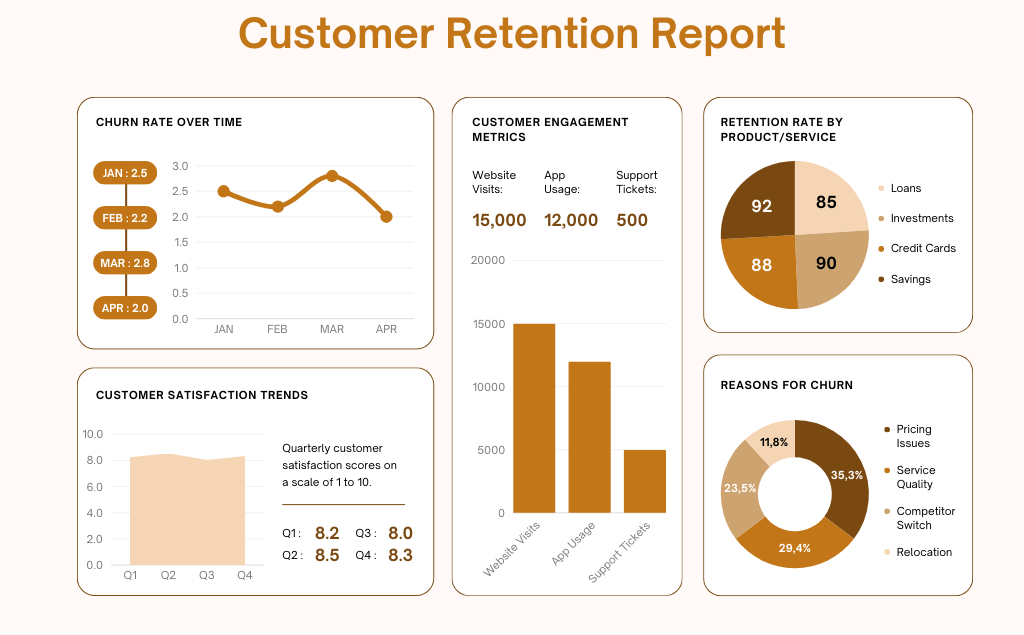
In today’s competitive business landscape, exceptional customer support is a cornerstone of success. Whether your company provides products or services, how effectively you manage customer queries, concerns, and issues directly influences customer loyalty. One of the most powerful tools businesses can use to enhance their customer support performance is analytics. By harnessing the power of data, organizations can identify areas for improvement, streamline operations, and deliver a better overall experience to customers.
Understanding the Role of Analytics in Customer Support
Analytics involves the collection, processing, and interpretation of data to derive insights that inform decision-making. In the context of customer support, analytics can be used to track performance metrics, identify trends, and assess customer satisfaction. By diving into data, companies can uncover issues that may not be immediately apparent and gain a clearer understanding of what customers truly need and expect from their support teams.
The first step in leveraging analytics is to identify the key metrics that matter most to your organization. Commonly tracked metrics in customer support include response times, resolution rates, customer satisfaction scores (CSAT), and the volume of support tickets. These indicators can help businesses gauge how well their support team is performing, but the real power comes from analyzing these metrics over time to detect patterns.
Tracking and Measuring Key Metrics
The foundation of using analytics effectively lies in measuring the right metrics. Response time, for instance, provides a clear picture of how quickly your team is addressing customer concerns. If customers are left waiting too long for a response, it can negatively impact their perception of your company. Analytics can help you identify when delays are occurring and whether certain team members or times of day are associated with slower response times.
Another important metric to focus on is the resolution rate. This shows how many support tickets are being successfully closed. High resolution rates often indicate that your team is resolving issues efficiently, but it’s important to ensure that these solutions are comprehensive and permanent. If the same issues keep reappearing, it could be a sign that the resolutions aren’t fully addressing the root cause.
Using Data to Improve Agent Performance
Customer support analytics can also shed light on individual agent performance. By reviewing data on each team member, you can identify strengths and areas for development. For example, an agent with high first-contact resolution rates might be excelling in solving problems quickly, while another agent might need further training in resolving more complex issues.
You can also track metrics like average handle time (AHT), which measures how long it takes for an agent to resolve a customer’s issue. While AHT can be a useful indicator of efficiency, it’s essential to balance it with other factors like customer satisfaction. Pushing agents to minimize AHT at the expense of delivering high-quality service can be counterproductive.
Identifying Trends and Pain Points
One of the most valuable uses of analytics is its ability to identify trends and recurring problems. If certain issues are consistently being raised by customers, analytics can help you pinpoint common pain points that may require attention. This could range from technical issues with a product or service to recurring gaps in your support team’s knowledge base.
For example, if you notice that a specific product feature generates a high volume of support tickets, it may indicate that customers are struggling to use it. Addressing this issue could involve providing clearer instructions, offering additional training, or even redesigning the feature to make it more user-friendly. By analyzing customer feedback and support data, businesses can proactively tackle recurring problems before they escalate.
Predicting Customer Needs with Advanced Analytics
Advanced analytics, such as predictive analytics, can take your customer support efforts to the next level. By using historical data and machine learning algorithms, businesses can predict when customers are likely to need support or which issues are most likely to arise. This proactive approach allows businesses to allocate resources more effectively and prepare for potential issues before they occur.
For instance, if your analytics show that a specific issue tends to spike during certain times of the year, you can prepare your support team in advance with additional training or resources. Similarly, if your data shows that certain types of customers are more likely to require assistance, you can tailor your support offerings to meet their needs more effectively.
Enhancing Customer Satisfaction with Personalization
Analytics can also be used to enhance customer satisfaction by enabling more personalized interactions. By analyzing data from previous customer interactions, support teams can better understand each customer’s preferences, past issues, and communication style. This information allows agents to provide tailored support, which can improve the customer’s experience and lead to greater satisfaction.
For example, if a customer has previously interacted with your team about a specific issue, the support agent can reference past conversations to resolve the problem more efficiently. This not only saves time but also demonstrates to the customer that you value their history and are committed to providing personalized service.
Using Analytics for Continuous Improvement
Incorporating analytics into your customer support strategy is not a one-time effort—it’s a continuous process of improvement. By regularly reviewing performance metrics, identifying trends, and using data to anticipate customer needs, businesses can foster a culture of excellence in customer service. Analytics provides the insights needed to optimize workflows, train agents more effectively, and deliver a more personalized experience to customers.
As customer expectations continue to evolve, leveraging analytics will become increasingly important for companies looking to stay ahead of the curve. By using data to inform every aspect of your customer support strategy, you can ensure that your team is always performing at its best and that your customers receive the highest level of service possible.


