



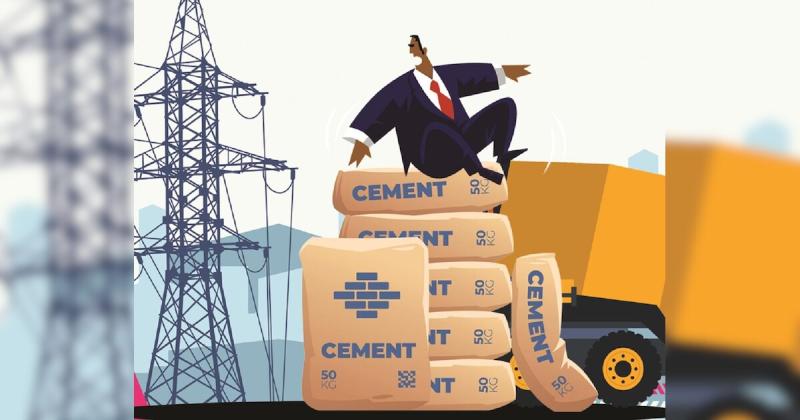
Tariffs have always impacted global trade, and their effects on construction commodities are usually more complex than economics suggests. Cement, one of the basic building materials, is often at the epicenter of such changes. By understanding how tariffs impact the cost and acquisition of cement, firms, contractors, and consumers can be ahead of the market changes and be prepared to adjust their project budgets.
Understanding Tariffs and Their Purpose
A tariff is a type of tax or duty imposed by governments on imported goods. These measures are often introduced by authorities to safeguard their local businesses or generate more revenue. Tariffs help local manufacturers limit foreign competition, but they can also make commodities expensive for companies that depend on imported supplies. Cement is heavy and expensive to transport, making it particularly susceptible to tariffs on cement and other policies.
Direct Effects on Cement Pricing
If a country imposes a tariff on imported cement, the direct impact is typically that the price of these shipments goes up. Importers are forced to pay additional tax, and this will increase the price per ton of cement. Those increased costs have historically trickled down the supply chain, hitting wholesalers and retailers, which eventually trickles down to the end user. This, in turn, may mean inflated material costs on job sites, impacting overall budgets and timelines for construction projects.
Market Reactions to Increased Prices
When tariffs raise costs, market behavior tends to change accordingly. Contractors and suppliers might start sourcing different materials or modifying the project specs to control costs. Sometimes local manufacturers may take advantage of this, where they raise their prices because imported cement is more expensive to import. A switch to one aggregate over another can have ripple effects on all those industries that depend on aggregates, such as ready-mix producers, transporters, and even real estate developers.
Combating Tariffs through Changes in Procurement Strategy
When tariffs change price structures, procurement teams need to pivot fast. Companies may want to diversify their supplier base, sourcing from countries not impacted by the new tariffs. Others could strike longer-term contracts to lock in rates before they go up any further. Another strategy to combat variable costs is to buy in bulk or through consortium purchasing. Planning helps to eliminate the chances of project delays or budget overruns.
Effects on Project Plans and Budgets
Budget time for project managers includes considering the possibility of swings in material prices. Once again, tariffs make it difficult to estimate costs accurately. Others, however, may be delayed or scaled back if price increases become too great. With tight deadlines running alongside budgetary constraints, precise forecasting and communication are the only weapons a project manager has in their arsenal to keep their projects on the right track.
Influence on Local Cement Producers
Tariffs on imported cement favor domestic manufacturers by limiting competition. As the number of foreign vendors shrinks in the market, the demand for some local producers will rise. However, this situation is also coupled with an increase in prices if local production cannot accommodate the needs of the new demand. Companies may invest in expanding manufacturing capacity, offering both opportunities and challenges to the sector.
Importance of International Trade Relations and Supply Systems
There are no solo tariffs on cement. These types of policies can disrupt international relations and push trading partners to look for other markets. Even in some cases, countermeasures could aggravate the supply chain challenges. Sourcing strategies may need to adjust depending on the policy changes that occur in other countries, and global procurement teams need to follow up and be able to adapt them. Keeping flexibility in the chain strikes a balance that mitigates disruptions and secures a continuous flow channel for the product.
Long-Term Considerations for Industry Stakeholders
The tariffs have ongoing effects on industry players besides price. An immediate impact assessment is unlikely to be useful as governments seek to provide stability in supply chains, but companies need to think now about their long-term strategies naturally, given the changes in policy in the future, which will shape sourcing and cost. Local production capabilities or alternative materials may be the answer to long-term tariffs.
Conclusion
Cement tariffs have a wide impact on pricing and procurement. These changes are having both short-term and long-lasting effects that can all change the market environment, shift supply chains, and take planning of projects out of the hands of decision-makers. Awareness of these influences would enable stakeholders to protect project viability, make decisions, and adapt to a changing market environment, thereby retaining a competitive edge.


