



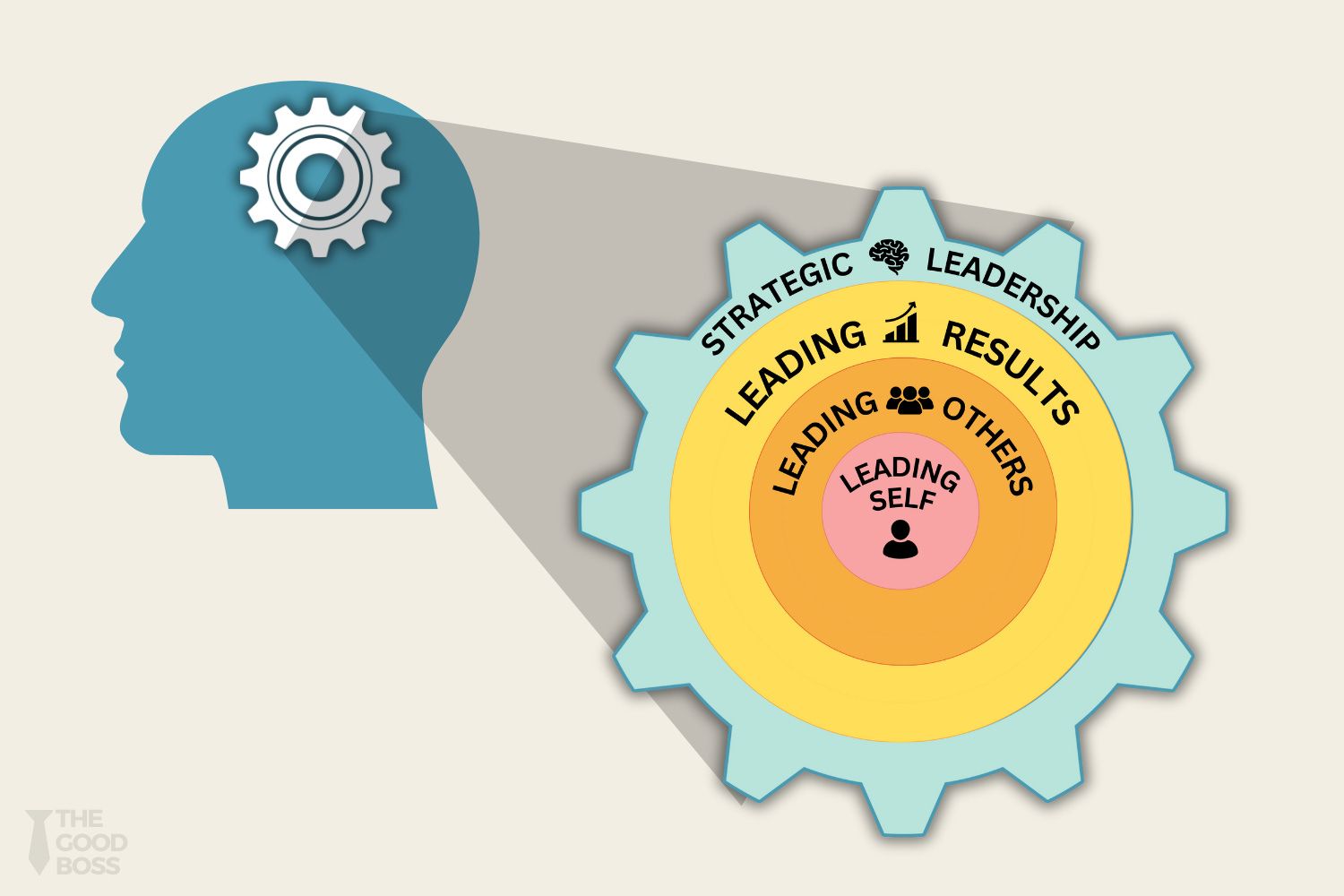
Senior leaders are hired to think ahead, not to manage daily friction. Yet many executives find themselves pulled into operational details that should never reach the leadership level. Missed deliveries, internal delays, unclear workflows, and constant status checks quietly consume executive attention. These distractions may seem minor, but over time, they dilute strategic focus.
The most effective leaders understand that clarity and structure at the operational level directly support strategic thinking. This is why forward-looking organizations invest in smart operational systems, particularly in areas such as internal logistics and delivery management. When routine processes are automated, leaders regain the mental space needed to focus on growth, innovation, and long-term value creation.
“Strategy suffers when leaders are forced to manage preventable operational noise.”
Why Leaders Get Pulled Into Operations
Executives rarely plan to get involved in operational issues. It happens because systems fail to scale. As organizations grow, delivery volume increases, teams expand, and workflows become more complex. Without automation, small inefficiencies repeatedly surface and escalate.
Common triggers include:
- Missing or delayed equipment deliveries
- Confusion around internal shipments
- Lack of visibility into parcel status
- Manual logging errors
- Repeated staff interruptions
- Time spent resolving avoidable disputes
Each interruption fragments attention. Over time, these fragments reduce a leader’s ability to think strategically and proactively.
The Hidden Cost of Executive Distraction
Leadership attention is one of the most valuable resources in any organization. When executives are drawn into day-to-day issues, the cost is rarely measured, but it is significant.
Distraction leads to:
- Slower strategic decision-making
- Reduced time for market analysis
- Delayed innovation initiatives
- Less engagement with customers and partners
- Reactive leadership instead of proactive planning
Organizations that protect leadership focus outperform those that allow operational friction to creep upward.
How Smart Systems Create Strategic Space
Smart systems eliminate the need for constant human intervention. They replace informal processes with structured, predictable workflows. In the context of internal logistics, this often means adopting smart mailroom management systems that automate intake, notifications, tracking, and collection.
Using tools such as mailroom management software, organizations remove guesswork from delivery handling. Parcels are logged instantly, recipients are notified automatically, and audit trails exist without manual oversight.
This prevents issues from escalating to leadership in the first place.
“The best systems solve problems before leaders ever hear about them.”
Manual vs Automated Operations at the Leadership Level
| Operational Area | Manual Workflow | Smart System Workflow |
| Parcel logging | Staff dependent and inconsistent | Instant digital scanning |
| Notifications | Sent manually and often delayed | Automated and immediate |
| Tracking visibility | Limited and unclear | Real-time and searchable |
| Issue escalation | Frequent and reactive | Rare and data driven |
| Leadership involvement | Regular interruptions | Minimal oversight |
| Strategic focus | Fragmented | Protected |
This contrast highlights why automation directly benefits leadership effectiveness.
Why Smart Systems Matter More as Companies Scale
Early-stage organizations can often rely on informal processes. As headcount grows, these methods fail. Leaders then become the default problem solvers, which is not sustainable.
Smart systems scale without requiring more oversight. They provide consistency regardless of volume, staffing changes, or peak periods. This is critical for leaders managing growth, acquisitions, or geographic expansion.
Automated parcel workflows ensure that:
- New hires receive equipment on time
- Departments operate independently without confusion
- Internal logistics remain predictable
- Leaders are not pulled into avoidable operational questions
Scaling without smart systems forces leaders to choose between growth and control. Automation removes that tradeoff.
Strategic Leadership Requires Operational Confidence
Executives make better decisions when they trust the systems beneath them. Confidence in operations allows leaders to delegate fully and focus on higher-order thinking.
Smart systems support this confidence by offering:
- Transparent data
- Clear accountability
- Consistent performance
- Reduced operational risk
Leaders no longer need to ask whether things are running smoothly. They can see it through structured reporting or, better yet, never need to check at all.
Reducing Organizational Noise
Operational noise is the accumulation of small inefficiencies that generate constant questions, follow-ups, and interruptions. Smart systems reduce this noise by creating clarity.
In delivery workflows, noise often appears as:
- Repeated inquiries about package status
- Staff searching for missing items
- Conflicting information across teams
- Manual follow-ups to resolve issues
Automation resolves these issues silently, allowing leaders to operate in a calmer, more focused environment.
Data That Supports Strategic Decisions
Beyond efficiency, smart systems generate useful data. Leaders gain insight into patterns that would otherwise remain invisible.
Automated parcel systems can reveal:
- Delivery volume trends
- Peak operational periods
- Storage turnover rates
- Process bottlenecks
- Resource allocation needs
For leaders who value data-informed strategy, this visibility is invaluable. To understand how structured delivery workflows generate operational insight, this mailroom management guide provides a clear overview.
Leadership Is About Designing Systems, Not Managing Tasks
The most effective leaders focus on system design rather than task execution. They invest time upfront to ensure processes run smoothly without ongoing intervention.
Smart operational systems align perfectly with this leadership philosophy. They remove repetitive decisions, enforce consistency, and reduce dependency on individual effort.
This allows leaders to:
- Focus on vision and direction
- Spend more time with customers and stakeholders
- Invest in talent and culture
- Anticipate future challenges
- Lead with clarity instead of urgency
“Leadership improves when systems carry the operational weight.”
Building a Culture That Respects Focus
When organizations adopt smart systems, they signal respect for time and focus at every level. Employees experience fewer interruptions, managers resolve fewer issues manually, and leaders stay engaged with strategic priorities.
This culture of efficiency reinforces accountability and professionalism across the organization.
Conclusion: Smart Systems Enable Strategic Leadership
Leaders are most effective when they are free to think, plan, and guide. Manual processes and operational friction steal that freedom. Smart systems return it.
By automating routine workflows such as parcel handling, organizations reduce noise, protect leadership attention, and create space for strategy. Smart systems do not replace leadership. They support it by ensuring that operations run quietly and reliably in the background.
For executives focused on long-term impact, investing in smart systems is not an operational decision. It is a strategic one.


