



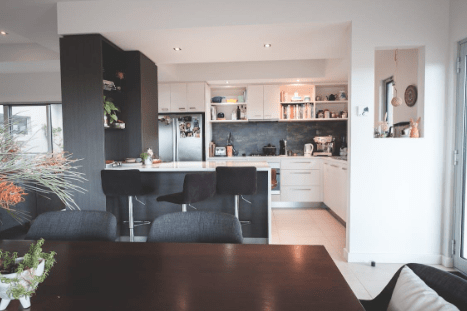
The kitchen has transformed dramatically in recent years, moving far beyond its traditional role as a place for cooking. Today, it serves as the centerpiece of modern homes and reflects changes in how we live, work, and interact. From sleek designs to advanced technology, kitchen renovation trends are keeping pace with the fast-evolving demands of contemporary lifestyles.
Modern homeowners are looking for kitchens that combine style, functionality, and sustainability. They want spaces that cater to their need for convenience, support their tech-savvy habits, and align with their environmental values. As these lifestyle changes shape new preferences, the approach to kitchen renovations has also evolved to create spaces that are as beautiful as they are practical.
Let’s discuss this further below:
Professional Expertise in Kitchen Renovation
Kitchen renovations are often among the most challenging home improvement projects. They require a balance of technical knowledge, precision, and creative design to bring a homeowner’s vision to life. Unlike other DIY-friendly tasks, kitchen renovation involves plumbing, electrical work, cabinetry installation, and layout optimization. Such complexities make it essential to hire experienced professionals who can handle the job with efficiency and expertise.
Professionals bring a wealth of knowledge to the table, offering solutions that homeowners might overlook. For example, they can incorporate trending elements like open layouts, smart appliances, or hidden storage into a cohesive design that works for the space. Whether it’s choosing the right materials, maximizing functionality, or creating a polished finish, professionals elevate the process of kitchen remodeling into a seamless experience that delivers long-lasting results.
Rise of Smart Kitchens
Technology has made its way into nearly every part of our lives, and the kitchen is an excellent example of this. Smart kitchens today are becoming increasingly popular, with homeowners incorporating innovative appliances and features that simplify tasks and improve efficiency. From refrigerators that help track groceries to ovens you can control through a smartphone, these tech-forward options cater to the needs of busy, tech-savvy individuals.
Voice-activated systems and IoT-enabled devices are also transforming the kitchen experience. Homeowners can adjust lighting, play music, or even preheat the oven using voice commands or mobile apps. Smart energy-efficient technologies, such as induction cooktops and programmable thermostats, reduce energy consumption and align with environmentally conscious living. The rise of smart kitchens represents a significant shift toward convenience, functionality, and sustainability in home design.
Multi-Functional Kitchen Spaces
As lifestyles become more dynamic, the kitchen has evolved into a multi-functional hub. It’s no longer just a space for cooking—it’s also a dining area, a workspace, and a spot for entertaining. This shift has driven demand for layouts and designs that accommodate multiple activities seamlessly. For example, kitchens with built-in seating areas or islands that double as workstations provide flexibility and practicality for modern households.
Features like integrated charging stations, pull-out shelves, and convertible furniture help maximize functionality without compromising style. The trend of multi-functional kitchens reflects how people now use their homes, offering solutions that support everything from casual breakfasts to remote work. These spaces are designed to adapt to the diverse needs of contemporary living, making the kitchen the true heart of the home.
Sustainability in Design
Sustainability has become a major focus in kitchen renovations, driven by the growing awareness of environmental challenges. Homeowners are now prioritizing eco-friendly materials and energy-efficient appliances to create kitchens that are both beautiful and responsible. Recycled countertops, bamboo cabinetry, and energy-saving lighting options are just a few examples of sustainable choices making their way into modern kitchen designs.
Water-efficient faucets and appliances that reduce energy consumption help the environment and lower utility bills over time. Choosing durable, long-lasting materials reduces waste and adds timeless value to the kitchen. Such design choices reflect a shift toward mindful living, where sustainability is seamlessly integrated into everyday spaces without compromising on aesthetics or functionality.
Prioritizing Wellness Through Kitchen Design
The kitchen is increasingly viewed as a space that contributes to overall health and wellness. Homeowners are integrating features that promote better cooking habits, mindfulness, and even physical well-being. For instance, ergonomic designs, like adjustable-height countertops and easy-to-access storage, make meal preparation more comfortable and reduce strain.
Wellness-focused kitchens also emphasize natural elements. Large windows that let in natural light, indoor herb gardens, and water filtration systems are becoming popular. Elements like these create a healthier environment while also fostering a sense of calm and connection to nature. Kitchens designed with wellness in mind support healthier lifestyles and add to the overall comfort and functionality of the home.
Aesthetic Trends Reflecting Personal Lifestyles
Today’s kitchens are as much about self-expression as they are about practicality. Homeowners are leaning into bold design choices that reflect their personalities, making kitchens feel unique and personal. Statement lighting, custom backsplashes, and daring color palettes are some of the ways people are adding character to these spaces.
Texture and material choices also play a big role in defining the kitchen’s look. Mixing natural woods with industrial metals or incorporating matte finishes alongside glossy surfaces creates visual interest and depth. These design elements ensure kitchens are more than just functional spaces—they become vibrant extensions of the homeowner’s lifestyle and taste, showcasing individuality and creativity.
As homeowners increasingly seek to blend functionality with aesthetics, the demand for open-concept kitchens that seamlessly integrate with living spaces continues to rise. This trend is not only about creating a visually appealing environment but also about enhancing the overall home experience. For those considering a comprehensive home renovation, including roofing solutions, it’s essential to explore reliable local services. To discover a trusted contractor in Alpharetta, view it now and ensure your renovation project is in capable hands. This holistic approach to home improvement reflects the modern lifestyle’s emphasis on convenience, efficiency, and style, making it a pivotal aspect of contemporary living.
Return of the Open Kitchen Concept
Open kitchen designs continue to dominate renovation trends as homeowners embrace fluid layouts that promote connection and interaction. These spaces merge with adjoining living or dining areas, creating an open and inviting atmosphere. The absence of walls allows for better natural light flow and makes the entire home feel more spacious and cohesive.
However, creating a successful open kitchen requires careful planning. Features like proper ventilation, strategic storage solutions, and furniture that complements the adjoining spaces are critical. Open kitchens are perfect for hosting gatherings or spending quality time with family, making them a favorite for modern lifestyles. Their popularity is a testament to how contemporary design prioritizes inclusivity and togetherness.
Modern lifestyles are shaping kitchens into dynamic spaces that balance function, style, and sustainability. From smart technologies to eco-conscious materials, today’s renovation trends reflect the evolving needs of homeowners. Whether it’s trying bold aesthetics, creating multi-functional layouts, or designing open concepts that foster connection, kitchens are at the forefront of home innovation.


