



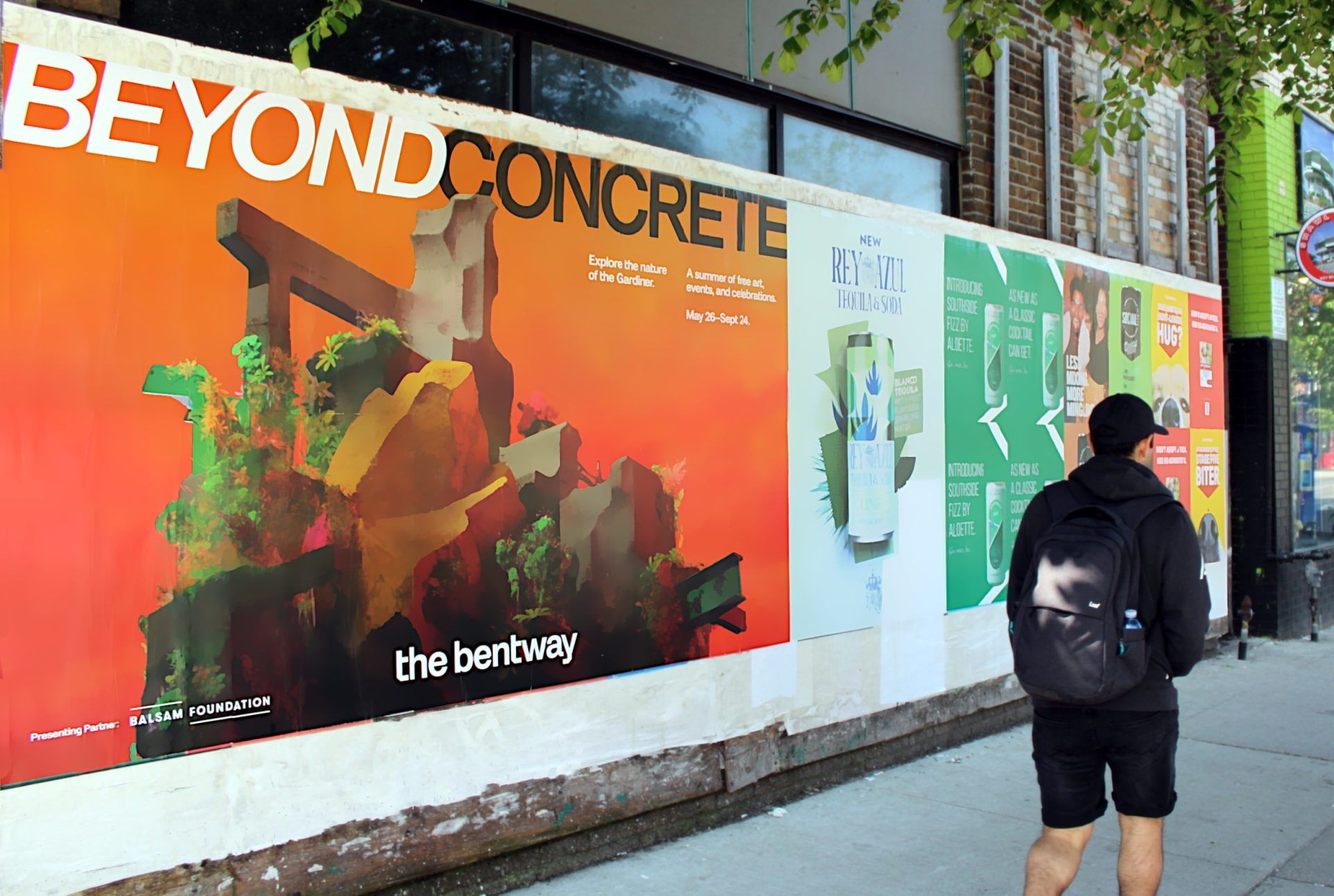
In a marketplace crowded with digital noise, physical branding methods like posters continue to play a vital role in shaping how consumers recognise and remember a business. Localised posters, in particular, offer targeted visibility and repeated exposure in specific areas, making them highly effective for building brand familiarity in urban environments. Their strategic placement, visual consistency, and ability to integrate naturally into the streetscape all contribute to long-term audience recognition.
Embedding Brands in Daily Routines
Localised posters work because they are seen repeatedly by the same audiences as part of everyday routines. When placed near transport hubs, retail strips, or popular pedestrian routes, posters become part of a person’s visual environment—encountered passively yet frequently. This repeated exposure helps establish recognition and trust, even if the viewer isn’t actively engaging with the content every time they see it.
Businesses often use street poster campaigns across key urban locations to tap into this familiarity effect. By targeting specific postcodes or neighbourhoods, brands can concentrate their visual presence where their audience already lives, works, or socialises. This hyper-local strategy not only increases visibility but also makes the brand feel more relevant and approachable to the community.
Aligning with Neighbourhood Character
Unlike broad-reaching campaigns, localised posters allow design and messaging to reflect the personality of each neighbourhood. A poster in a creative precinct might use bold colours and edgy visuals, while one in a suburban family area may focus on simplicity and warmth. This level of contextual relevance makes the message feel more authentic and less intrusive.
When visuals resonate with local surroundings, the brand contributes to the area’s aesthetic rather than standing apart from it. Over time, this alignment with place-based identity strengthens the perception that the business belongs to the community.
Creating Passive but Lasting Impressions
Unlike digital ads that vanish with a swipe, posters remain visible for days or even weeks—offering consistent exposure. This sustained presence builds memory associations through the mere-exposure effect, allowing viewers to encounter the brand repeatedly, even in passing. Over time, these subtle impressions contribute to a stronger sense of familiarity.
Without demanding attention, posters quietly reinforce visual cues such as logos, colours, or taglines. Each glance, whether intentional or incidental, adds to brand recall. By operating in the background of daily life, posters build recognition gradually and organically, laying the foundation for trust and future engagement.
Building Visibility Without Disruption
Operating within public spaces, posters deliver messaging without interrupting daily activity. This makes them a non-invasive alternative to many digital formats, which are often blocked or ignored. Posters communicate through visual presence rather than forced attention.
By becoming part of the streetscape, the brand becomes more familiar in a natural, low-friction way. This subtle presence helps maintain consumer goodwill while still achieving visibility goals.
Familiarity as a Trust Driver
Brand familiarity grows through repeated exposure, local relevance, and clear design. Localised posters deliver on all fronts, making brands feel known before a purchase is even considered. Familiarity builds trust, and trust leads to action. When placed strategically, posters achieve lasting recognition that digital ads alone often can’t. The result is a brand that’s not just seen, but remembered.


