



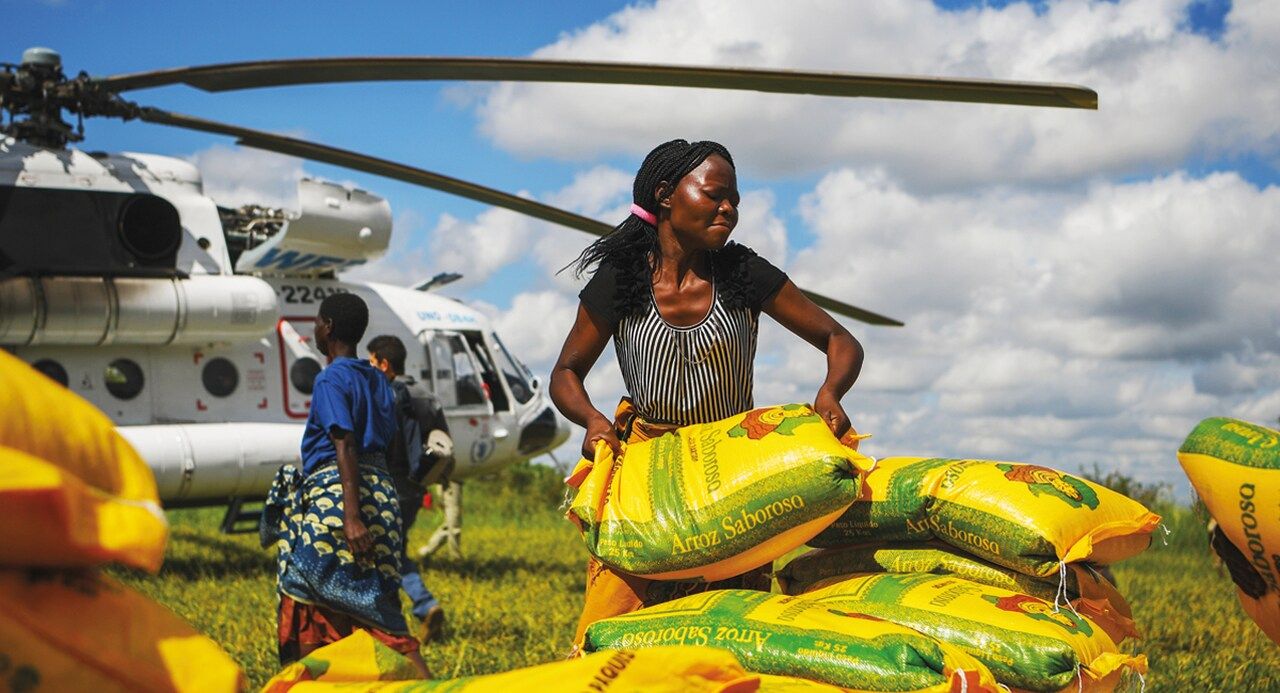
In humanitarian emergencies (whether caused by natural disasters, conflict, or displacement), responders need to act fast. But delivering life-saving aid is rarely simple. With fragmented systems and limited connectivity, traditional tools can slow things down when time matters most.
Digital solutions are reshaping what’s possible. From collecting field data offline to streamlining coordination across agencies, the right platforms help responders stay agile, informed, and effective. This article explores the most important digital features for humanitarian response, and how to implement them successfully in real-world crises.
Real-World Examples
Save the Children – Streamlining Cash and Voucher Assistance
When outdated tools and fragmented spreadsheets started slowing down their CVA programs, Save the Children turned to CommCare to build a custom mobile app. The platform enabled them to register beneficiaries more efficiently, track financial distributions in real time, and make faster, data-driven decisions during emergencies. The result? Better accountability, quicker fund disbursement, and a scalable solution that worked across the full project lifecycle.
International Rescue Committee – Coordinating Services Across 40+ Countries
The IRC operates in some of the world’s most complex crisis zones, from health and education to legal aid. Previously, their teams were managing services using a mix of incompatible systems, slowing down response times and limiting visibility. By adopting the same digital platform across all programs, they standardised data collection, improved security, and gave frontline teams powerful tools for managing service delivery. This shift allowed for faster deployment, clearer oversight, and a more coordinated global response.
What to Look for in a Digital Tool for Humanitarian Response
Crisis zones are unpredictable. Your tools need to work where power is limited, internet is patchy, and field teams have seconds to act, not hours.
The most effective digital solutions are:
-
Built for offline and mobile use, so frontline responders can work uninterrupted
-
Designed for simplicity, allowing rapid training and use by diverse field teams
-
Secure and compliant, safeguarding sensitive beneficiary data even in fast-moving environments
-
Capable of real-time reporting, so leaders can shift priorities on the fly
-
Integrated, breaking down silos between organizations, teams, and tools
Whether you’re verifying eligibility for a cash assistance program or coordinating supply chains across regions, the platform you choose needs to match the pace and complexity of the crisis.
Steps for Rolling Out Digital Tools in a Crisis
Even the best tools can fail if rolled out poorly. Humanitarian emergencies leave little room for trial and error, so implementation needs to be strategic.
Here’s what that looks like:
-
Start with the need. Is this for food delivery? Patient triage? Cash disbursement? Let the mission shape the tech.
-
Pick tools that are proven under pressure. Look for platforms already used in humanitarian contexts, with low technical barriers to entry.
-
Train fast, train practically. Focus training on critical tasks: registering beneficiaries, capturing GPS-tagged data, generating rapid reports.
-
Pilot where risk is lowest. Try the tool in one region, one programme, or one relief phase before wider rollout.
-
Keep the feedback loop open. Crises evolve. So should your forms, workflows, and reporting needs.
-
Surface insights, not just data. Use built-in dashboards and visual reports to help decision-makers see the whole picture, fast.
Stronger Tools, Stronger Humanitarian Response
In crisis situations, time, clarity, and coordination save lives. The right digital tools empower humanitarian organisations to respond faster, reach further, and adapt as situations unfold.
By investing in mobile, real-time platforms built for field use, teams can turn data into impact – whether it’s delivering clean water to a flood zone or tracking distributions across a refugee camp.
With digital tools that align with your mission, you can help your teams make every moment count.


