




Introduction
The world is at a crossroads in its journey toward sustainable energy. As the impacts of climate change grow more pronounced, the urgency to switch to renewable energy sources has never been greater. Yet, despite the growing popularity of solar energy, there are still significant barriers preventing many people from making the switch. High upfront costs, lack of roof space, and even the logistics of installation can make traditional solar panels a non-starter for many.
This is where community solar projects come in. These innovative initiatives are transforming the way we think about solar energy, making it more accessible and affordable than ever before. By enabling entire communities to share the benefits of solar power, these projects are not only expanding access to clean energy but also creating a more equitable future for all.
In this article, we will dive deep into the world of community solar, explaining what it is, how it works, and the many ways it is revolutionizing affordable green energy for all. We’ll also explore the role of solar feed-in tariffs in enhancing the financial viability of these projects, and how they help individuals and communities get the most out of their investment in solar energy.
What is Community Solar?
Community solar is an innovative concept that allows multiple individuals, businesses, and organizations to benefit from a shared solar energy system. Instead of installing solar panels on individual rooftops, a solar farm is built in a shared location, often in a community or rural area. Participants—who may not even need to install solar panels themselves—can “subscribe” to the solar array and receive a portion of the electricity it generates.
This model opens up solar power to people who might not otherwise be able to access it. Whether due to financial constraints, living in apartments with limited roof space, or residing in regions where rooftop solar isn’t viable due to weather conditions, community solar ensures that everyone has the opportunity to participate in the clean energy revolution.
How Does Community Solar Work?
Community solar works by pooling resources from individuals, businesses, or organizations who want to benefit from solar energy but are unable or unwilling to install their systems. A solar farm is constructed and generates electricity, which is then distributed to the subscribers.
Here’s a breakdown of how the process typically works:
Setting Up the Solar Farm
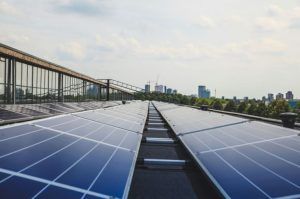
A community solar project begins with the construction of a solar farm, usually located in a central area that can serve multiple subscribers. The array could be situated on land owned by a local government, business, or non-profit organization. Once the solar panels are installed, they begin capturing sunlight and generating electricity.
Subscription or Ownership Models
Participants in a community solar project typically sign up to either lease a portion of the solar panels or purchase a share of the energy generated by the farm. In the lease model, they pay a fixed monthly fee for access to a share of the energy. In the ownership model, they may pay an upfront cost for the right to a portion of the farm’s output. Either way, they receive a portion of the electricity that the solar farm generates.
Energy Distribution
The electricity generated by the community solar farm is then fed into the local power grid or distributed directly to the participants. Most community solar projects work in partnership with utility companies to distribute the power. When participants consume power, they receive credit for the amount of electricity they’ve “borrowed” from the system.
Solar Feed-In Tariffs (FiTs)
Solar feed-in tariffs are government-mandated payments made to those who generate electricity through renewable sources like solar power and feed it back into the grid. For community solar projects, FiTs are an important financial mechanism that incentivizes solar energy generation. These payments are offered by the government in exchange for the surplus energy produced by the solar farm, making it financially viable for the project to continue operating and growing.
Savings and Billing
Subscribers to community solar projects typically see a reduction in their electricity bills. The savings come from their share of the solar farm’s electricity generation, which can be priced lower than the rates of traditional electricity suppliers. Depending on the utility’s pricing structure, these savings can be significant, especially when combined with solar feed-in tariffs, which can lower the cost of electricity even further.

The Benefits of Community Solar Projects
Community solar is revolutionizing affordable green energy by making it accessible to a wider range of people, communities, and businesses. Here are the key benefits of these transformative projects:
Increased Accessibility to Solar Energy
One of the most significant advantages of community solar is that it provides access to clean, renewable energy for those who might not otherwise be able to participate in the solar energy market. People who live in multi-unit dwellings, such as apartment buildings, or those who rent rather than own their homes, may not have the option of installing solar panels on their roofs.
With community solar, these individuals can still benefit from solar energy by subscribing to a shared system. This expands access to solar energy for people across various income levels and living situations, democratizing the benefits of renewable energy.
Affordable and Flexible Energy Solutions
Community solar offers affordable access to solar energy without the hefty upfront costs typically associated with installing individual solar panels. Traditional solar installations require a significant upfront investment, which can deter many people from going solar. With community solar, participants can often join the program with little to no initial cost, paying only for the electricity they use. In addition, some programs allow participants to switch between subscription levels or opt out if they need to, offering a level of flexibility that traditional solar installations don’t.
For low- and moderate-income households, community solar represents an especially important opportunity to access affordable, clean energy. These programs help reduce the energy burden, which can be a significant expense for many families.
Reduced Carbon Footprint
The environmental benefits of community solar are clear: by utilizing solar energy, these projects help reduce dependence on fossil fuels like coal, natural gas, and oil. This leads to lower carbon emissions, fewer pollutants in the air, and a reduction in the overall environmental footprint.
For individuals and communities participating in a community solar project, the ability to contribute to the reduction of greenhouse gases is a powerful motivator. As the world continues to battle climate change, every bit of renewable energy generated helps to slow down the harmful effects of carbon emissions.
Energy Independence
By participating in community solar, individuals and businesses are reducing their reliance on the centralized power grid. Traditionally, people are dependent on utility companies for their energy needs. However, these companies often rely on fossil fuels for electricity generation, which can cause price fluctuations and supply disruptions.
Community solar provides an alternative by harnessing local, renewable energy resources. This shift toward decentralized energy systems makes communities more resilient to external shocks and reduces dependence on traditional, non-renewable power sources.
Economic Development and Job Creation
Community solar projects also contribute to local economies by creating jobs in installation, maintenance, and management. These projects require skilled workers, from solar panel installers to engineers and administrative personnel. In addition, the savings generated by lower energy bills allow businesses to reinvest in their operations, contributing to overall economic growth.
For rural or underserved areas, community solar can be a powerful economic development tool, helping to revitalize struggling communities and providing a new source of revenue for local businesses.
The Future of Community Solar Projects
As solar technology continues to improve and the need for renewable energy becomes more urgent, community solar is poised for significant growth. By lowering the barriers to entry for clean energy and democratizing access, these projects are making a lasting impact on the renewable energy landscape.
The future of community solar holds exciting possibilities, such as:
Greater Integration with Energy Storage
As energy storage technology improves, community solar systems may incorporate advanced storage solutions that allow them to store excess energy for later use. This will increase the reliability and efficiency of solar systems, ensuring that participants can rely on solar energy even when the sun isn’t shining.
Expansion to Low-Income Communities
As more governments and private companies invest in renewable energy, we can expect to see greater emphasis on making community solar available to low-income and underserved communities. This will help bridge the gap in energy access and provide affordable energy solutions for everyone.
Conclusion
Community solar projects are transforming the way we think about renewable energy, providing a path to affordable, green energy for everyone—regardless of income, location, or living situation. By harnessing the power of solar energy and leveraging the financial incentives of solar feed-in tariffs, these projects are creating a more sustainable, equitable, and resilient energy future.
As community solar continues to grow and evolve, it will play an increasingly important role in the global transition to clean energy. Whether you’re a homeowner, business owner, or community leader, now is the time to consider how community solar can help you reduce your carbon footprint, save money, and contribute to a greener, more sustainable world.


