



Ever walked into a store, looked around, and walked right back out? Maybe the lighting was weird, the floor sticky, or something just felt off. We judge spaces fast—often without realizing it—and design is usually why. It speaks volumes without saying a word, setting the tone as professional or outdated, inviting or off-putting. In a world of online reviews and constant posts, every detail matters. Design has become a key player in how businesses are seen and remembered.
In this blog, we will share how building design shapes reputation, how trends are shifting, and what it all means for modern businesses.
Design Speaks Louder Than Words
Let’s start with the basics. A building’s layout, style, and details tell a story. Sometimes it’s a story of success. Other times it’s a story of “we haven’t updated this place since 1995.”
Think about banks. Many are remodeling, adding open spaces and lounge-style areas. Why? Because stiff, cold interiors made people feel uneasy. Today, customers want comfort. A soft couch and warm lighting feel safer than marble floors and silence. It’s not just about relaxing—it’s about trust.
The same goes for restaurants. Fast-casual places now invest in mood lighting, murals, and acoustic panels. It’s no longer just about the food. It’s about how the space feels. A good design makes people want to stay longer, share photos, and come back.
Function Meets Expectation
Design isn’t just about aesthetics—it’s about function. People expect modern spaces to be convenient. And when they’re not, it reflects poorly.
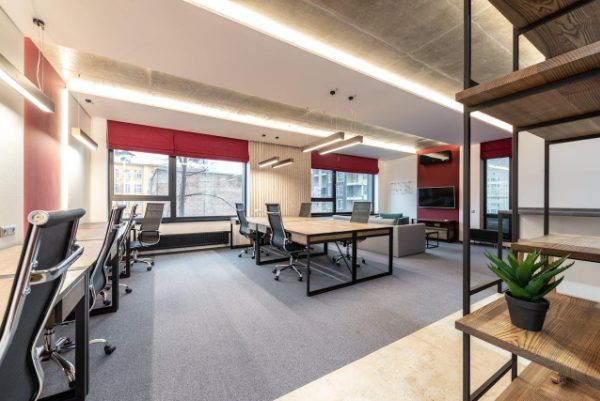
Take offices, for example. If your workspace is dark and crammed, don’t expect your team to brag about it on LinkedIn. But offer quiet zones, collaborative areas, and yes, even a range of reliable drinking water fountains, and suddenly, the workplace becomes a brag-worthy experience. It tells employees, “We thought about your comfort.” And when people feel seen, they speak well of your brand.
Right now, hybrid work is changing office design. Businesses are downsizing and rethinking space. They’re designing for flexibility. Fewer desks, more lounges. Fewer cubicles, more standing tables. All of this sends a message: “We adapt. We care.”
Retail stores are changing too. Fitting rooms have better lighting. Layouts are more intuitive. Even grocery stores are optimizing flow. These choices may seem small, but they affect how customers view the brand. And in a crowded market, that matters.
The Pressure of Going Viral
In a world obsessed with Instagram and TikTok, building design is under the spotlight like never before. Every corner can be content. Every wall can become a backdrop. If your space is ugly, the internet won’t be kind.
Remember when a fast-food chain redid its interiors and suddenly became a hangout spot for teens and foodies alike? It wasn’t the burgers. It was the booth lighting, the wall art, the tiles. The place felt cool. And cool gets likes.
But going viral can also backfire. A poorly lit sign, a badly placed mirror, or a weird color scheme can become a meme in seconds. That’s the new pressure. Design decisions can travel far beyond the building.
For businesses, this means thinking beyond utility. Your space isn’t just for your customers—it’s for their followers too. If your design makes people smile, they’ll share it. If it doesn’t, well, they’ll share that too.
Sustainability and Responsibility
More people care about sustainability now. They want to support businesses that think about the planet. And building design plays a big role in that.
Green buildings, solar panels, and recycled materials aren’t just good for the Earth—they’re good for PR. Customers appreciate when companies invest in energy-efficient spaces. It shows responsibility. It says, “We’re planning for the future.”
Natural light is a big trend. So are plants, green walls, and open-air layouts. They reduce stress and boost mood. And they signal that a business cares about health—not just profits.
Even small steps matter. Motion sensor lights, low-flow toilets, bike racks—they all contribute to the bigger picture. They show thoughtfulness. And thoughtful design reflects a thoughtful brand.
Design for Everyone
Accessibility is no longer optional—it’s expected. And it’s a huge part of how people view your business.
If someone in a wheelchair can’t get in your front door, that’s not just a design flaw—it’s a reputational disaster. If your hallway is too narrow, or your signs are hard to read, people notice. And they talk about it.
Great design considers all users. That includes people with disabilities, parents with strollers, and older adults with mobility challenges. Handrails, ramps, wide entrances, clear paths—these features aren’t just nice, they’re necessary.
Businesses that prioritize accessibility don’t just follow rules—they build respect. They show they value everyone. And that builds trust.
When Good Design Goes Bad
Sometimes, businesses get it wrong. A sleek, modern café opens up—with nowhere to sit. A trendy boutique installs lights so bright, you feel like you’re on a movie set. A co-working space forgets soundproofing, so every phone call turns into an office-wide podcast.
When design ignores real needs, it creates frustration. And that frustration can snowball. Online reviews, word of mouth, and even press coverage can spiral out of control. What started as a bold design choice can become the thing people hate most.
There’s a fine line between stylish and impractical. Great design looks good and works well. If it’s just one or the other, it won’t last.
The Long-Term Payoff
Good design is an investment. It may cost more upfront, but it saves money and builds loyalty over time.
Think about maintenance. Durable materials last longer. Thoughtful layouts reduce accidents. Smart systems cut energy bills. These choices reduce stress—for both business owners and customers.
And reputation? It sticks. A well-designed space makes people feel good. They remember that. They talk about it. And they come back.
That’s the long-term power of design. It turns first-time visitors into loyal fans. It turns employees into ambassadors. It turns a business into a brand.
All in all, design is more than pretty walls and matching chairs. It’s communication. It’s strategy. It’s reputation.
In a world full of choices, people remember how places make them feel. And that feeling starts with what they see when they walk in the door.
Whether you’re updating an office, planning a storefront, or remodeling a restaurant—think carefully. Your walls are talking. What are they saying about you?


