






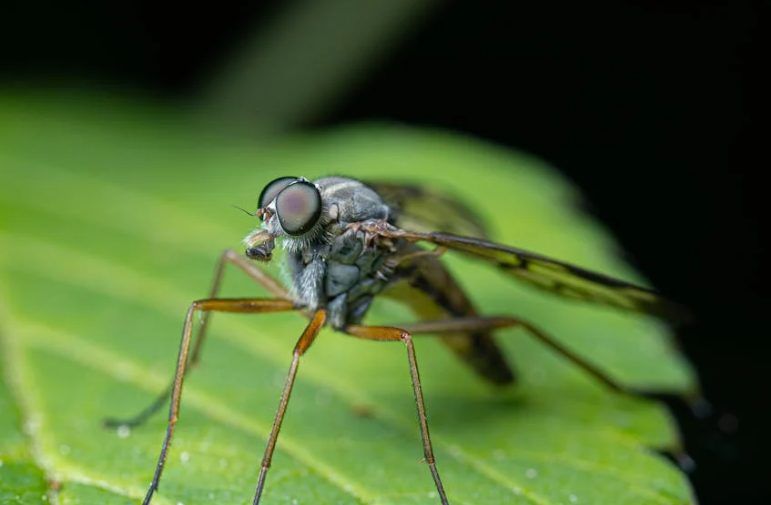
Imagine yourself lounging in your garden, the sun gently warming your skin, the scent of flowers perfuming the air… only to have your peaceful moment shattered by a relentless swarm of flies. While chemical solutions might offer a quick fix, there’s a more holistic and aesthetically pleasing approach: plants. Yes, you read that right! Some plants possess natural properties that repel flies and beautify your garden. In this guide, we unveil ten botanical guardians that will transform your garden into a sanctuary free from buzzing nuisances.
Lavender
Lavender, with its delicate purple spikes and intoxicating fragrance, is not just a sight for sore eyes but a formidable deterrent for flies. Its distinct aroma, beloved by humans, is abhorred by flies, making it an indispensable addition to any garden seeking natural fly control.
Ensure your lavender thrives by planting it in well-drained, sunny spots, where it can both delight your senses and repel unwanted pests.
Basil
Ah, basil—the culinary hero that not only tantalizes taste buds but also keeps flies at bay. This versatile herb emits a scent that flies find offensive, making it a valuable asset in your battle against these winged intruders. Strategically plant basil near entryways or windows to prevent flies from infiltrating your living spaces, ensuring both a flavorful harvest and a fly-free home.
Rosemary
Beyond its culinary prowess, rosemary boasts remarkable fly-repelling properties. Its woody fragrance not only enriches your cooking but also serves as a natural barrier against flies. Consider planting rosemary in pots or directly in the ground near outdoor seating areas, creating a fragrant shield that allows you to savor the outdoors without the annoyance of buzzing flies.
Mint
Refreshing and invigorating, mint is an herb that also happens to deter flies with its potent scent. Whether it’s spearmint, peppermint, or any other variety, mint plants emit an aroma that flies simply cannot abide. Cultivate mint in containers or as ground cover, strategically placing it around your garden to establish a fragrant perimeter that keeps flies at bay.
Marigold
Bright, cheerful marigolds not only add a splash of color to your garden but also serve as effective fly repellents. Their robust scent, particularly from the Tagetes variety, masks the odors that attract flies. Plant marigolds around vegetable patches or near entry points to create a vibrant and fly-resistant garden oasis.
Lemon Balm
As refreshing as a cool breeze on a summer day, lemon balm emits a delightful lemony fragrance that repels flies with ease. This member of the mint family not only lends a fresh scent to your garden but also acts as a natural fly deterrent.
Consider planting lemon balm in containers or along pathways, where its citrusy aroma can discourage flies from intruding on your outdoor haven.
Chrysanthemum
Chrysanthemums, with their dazzling array of colors, not only captivate the eye but also repel flies with their natural insecticidal properties. These flowers contain pyrethrin, a potent compound that sends flies fleeing. Incorporate chrysanthemums into your garden landscape, either in pots or flower beds, to enjoy their beauty while keeping flies at bay.
Bay Laurel
Bay laurel, with its glossy leaves and aromatic fragrance, is a staple in both the kitchen and the garden. Its distinctive scent acts as a powerful deterrent against flies.
Whether planted in pots or directly in the ground, bay laurel thrives in sunny locations, providing both culinary delights and fly-free living spaces.
Citronella
Renowned for its ability to repel mosquitoes, citronella grass also proves effective against flies with its citrusy aroma.
Plant citronella in pots or directly in the ground, crushing the leaves to release their fragrance and create a natural barrier against flies. Enjoy the benefits of citronella not only in candles and sprays but also in its living form, enriching your garden while keeping flies at bay.
Lemon Verbena
Elegant and fragrant, lemon verbena adds a touch of sophistication to any garden while serving as a potent fly repellent. Its zesty lemon fragrance confounds and repels flies, making it a valuable asset in your control strategy. Plant lemon verbena in sunny, well-drained locations to enjoy its benefits year-round, creating a serene sanctuary where flies dare not tread.
Conclusion
From the delicate blooms of lavender to the robust foliage of bay laurel, each plant plays a vital role in repelling flies and creating a harmonious outdoor environment. Embrace the power of nature’s fly control squad and transform your garden into a haven of tranquility where you can relax and unwind without the nuisance of buzzing flies.
Roll up your sleeves, don your gardening gloves, and let these botanical guardians work their magic, ensuring your garden remains a fly-free paradise for years to come.


