






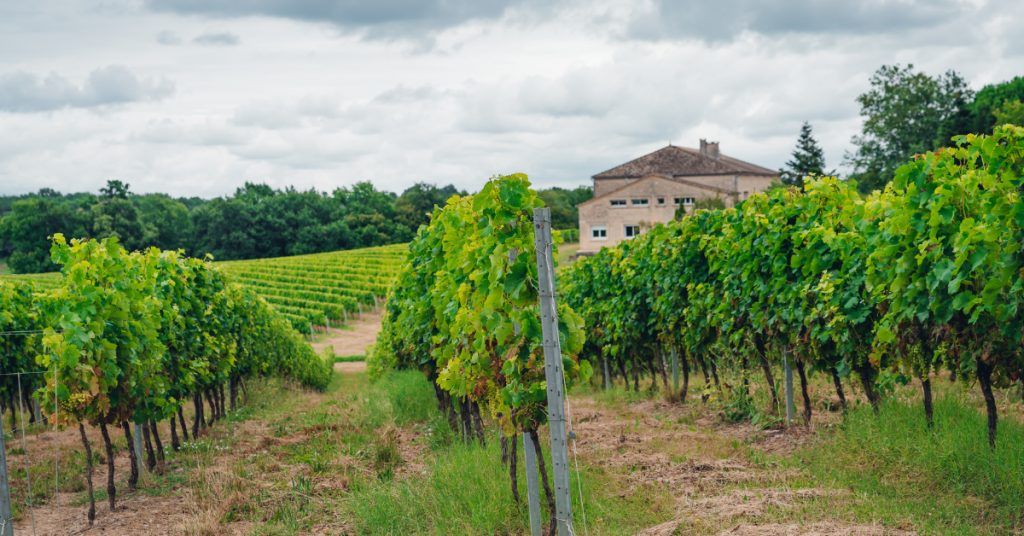
Agritourism is bringing more visitors to the Midwest, helping small farms and vineyards expand their reach. Travelers want direct connections to local food and traditions, and agricultural businesses and investment partners are adjusting to meet that demand. Instead of just producing crops or wine, many farms now host events, tours, and tastings that generate extra revenue and bring in customers year-round.
Several factors are driving this shift. Consumers want fresh, locally sourced products and are willing to travel for them; about 7 in 10 consumers are also willing to pay more for them, according to Deloitte. Farm visits, produce-picking experiences, and educational workshops give them a chance to see agriculture up close. Seasonal events like harvest celebrations and wine tastings offer experiences that go beyond what a grocery store provides.
Financial benefits are another key reason for the rise in agritourism. Farmers and winemakers can earn more by offering direct-to-consumer sales and interactive experiences instead of relying solely on wholesale distribution. Small towns also benefit, as visitors spend money on lodging, dining, and local attractions. Three leading data research organizations — Grand View Research, Spherical Insights and GM Insights — estimated the total value of U.S. agritourism between $6 billion and $8 billion.
Aside from economics, agritourism is helping revitalize rural communities. Young entrepreneurs are bringing fresh ideas, and longtime farm owners are adapting to changing consumer interests. As more people seek out these experiences, rural areas are becoming destinations for travelers who want something more than a standard vacation.
Vineyards and Wineries Attract Visitors
Midwestern wineries are gaining recognition for their unique grape varieties and hospitality. Missouri, Michigan, and Ohio have thriving wine industries, with vineyards that offer tastings, tours, and seasonal events. Wine trails encourage visitors to explore multiple locations, boosting tourism in the region.
Unlike traditional wine regions, Midwestern vineyards focus on cold-hardy grape varieties suited to the local climate. Missouri’s Norton grape produces bold reds, while Michigan wineries specialize in crisp whites like Riesling and Pinot Gris. Vineyard owners use these differences to their advantage, giving visitors a distinct tasting experience.
Agritourism has expanded the role of wineries. Many now host weddings, live music nights, and food-pairing events. These activities attract a steady flow of visitors, turning wineries into year-round businesses rather than seasonal operations.
State governments have recognized the economic potential of agritourism and provide grants or marketing support to vineyard owners. Promoting wine trails and regional wine tourism helps attract visitors from surrounding states, further strengthening local economies.
Farms, Festivals, and Interactive Experiences
Farms across the Midwest have also found new ways to welcome visitors. Pumpkin patches, corn mazes, and sunflower fields are popular seasonal attractions. Families looking for outdoor activities often spend a day picking fruit, riding hay wagons, and learning about traditional farming techniques.
Farm-to-table dining has also grown in popularity. Some farms host meals using ingredients harvested on-site, offering guests an opportunity to learn about food production while enjoying a meal. Cooking classes, cheese-making workshops, and cider-pressing demonstrations provide additional ways for visitors to engage.
“Beginning and small and mid-size farms are increasingly exploring agritourism as a strategy to remain competitive,” say USDA agritourism experts Sarah Low, Anders Van Sandt and Christine Whitt.
Education is a major component of agritourism. School groups and community organizations frequently visit working farms, where they can see firsthand how food is grown and harvested. Activities like honey harvesting and sheep shearing allow people to interact with agriculture in a way they wouldn’t experience in an urban setting.
Annual festivals celebrating harvest seasons bring together farmers, artisans, and visitors. Apple and grape harvests, maple syrup weekends, and county fairs highlight agricultural traditions while supporting small businesses. These events attract crowds and contribute to the economic stability of rural communities.
Economic and Community Impact
The financial benefits of agritourism extend beyond farms and vineyards. Visitors spend money on lodging, restaurants, and local businesses, helping to sustain rural economies. Towns that once had limited tourism appeal are now drawing steady traffic from those interested in agricultural experiences.
Collaborations between farms, restaurants, and small businesses create stronger economic networks. A winery might work with a local inn to offer weekend getaway packages, or a farm might supply fresh produce to nearby restaurants. These connections help build sustainable tourism models that benefit entire communities.
Agritourism also creates jobs. From tour guides to event staff, seasonal and full-time positions support local employment. Some individuals who start in temporary roles discover long-term careers in agriculture, hospitality, or tourism management.
With increased tourism revenue, small towns have invested in infrastructure improvements, historic preservation projects, and local arts initiatives. By attracting visitors, agritourism contributes to revitalizing communities that might otherwise struggle to maintain economic growth.
Challenges and Opportunities
Expanding agritourism comes with logistical and regulatory challenges. Some areas have zoning laws that restrict land use for tourism-related activities. Farmers interested in hosting events may need special permits, and local governments must balance economic growth with preserving farmland for agricultural use.
Infrastructure can also be a limitation. Many agritourism destinations are located in rural areas with limited road access, public transportation, or visitor amenities. As demand increases, these communities may need to invest in transportation, signage, and public facilities to accommodate larger crowds.
Marketing is another factor. While some farms and wineries have built strong brands, others struggle to attract tourists. Developing an online presence, forming partnerships with tourism boards, and engaging with travel organizations help businesses reach a broader audience.
The future of agritourism in the Midwest looks promising. As consumer interest in local food, hands-on experiences, and rural travel grows, more farms and wineries will likely expand their offerings. With thoughtful planning and investment, agritourism can continue to support rural economies while giving visitors memorable, educational experiences.


