






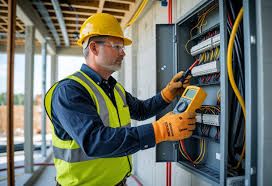
Hiring an electrical contractor is one of the most important decisions a homeowner can make. Poor electrical work creates fire hazards, violates building codes, and can result in costly repairs down the line. This guide helps you identify trustworthy contractors who deliver safe, code-compliant electrical solutions.
Why Contractor Selection Matters
Electrical systems are the nervous system of your home, powering everything from lighting and appliances to HVAC and security systems. When these systems fail or aren’t properly installed, the consequences range from minor inconveniences to catastrophic fires.
Professional electrical contractors bring expertise in current building codes, safety standards, and modern electrical technology. They understand how to properly size circuits, install grounding systems, and ensure your electrical infrastructure can handle current and future power demands.
Essential Contractor Qualifications
Before hiring any electrical contractor, verify they hold proper state licensing and insurance coverage. In California, electrical contractors must pass rigorous examinations and maintain current licenses with the Contractors State License Board.
Beyond licensing, look for contractors who demonstrate commitment to quality through ongoing training, use of premium materials from trusted manufacturers, transparent pricing with detailed written estimates, and proven track records with verifiable references.
Red Flags to Avoid
Be cautious of contractors who refuse to provide written estimates, pressure you for immediate decisions, request large upfront deposits before work begins, lack proper licensing or insurance, or offer prices significantly below other quotes.
Quality electrical work requires skilled labor, proper materials, and time to complete correctly. Suspiciously low bids often indicate corners will be cut—something you never want with electrical systems.
Questions to Ask Potential Contractors
During your initial consultation, ask about their experience with projects similar to yours, the specific brands and materials they use, their typical project timeline and scheduling, warranty coverage on parts and labor, and how they handle unexpected issues or cost overruns.
Professional contractors welcome these questions and provide clear, confident answers. Their responses help you assess both their technical expertise and communication style.
Understanding Electrical Project Scope
Common residential electrical projects include panel upgrades to accommodate modern power needs, whole-house rewiring for older properties, circuit additions for new appliances or home additions, lighting installation and fixture upgrades, and emergency repairs for dangerous conditions.
Each project requires different expertise and approaches. Contractors should conduct thorough assessments before proposing solutions, explaining their recommendations in terms you understand.
Local Expertise Matters
Working with local electrical contractors offers distinct advantages. They understand regional building codes and permit requirements, have established relationships with local inspectors, can respond quickly for follow-up or emergency needs, and maintain reputations within the community.
For homeowners seeking comprehensive electrical services, working with established local contractors like Fresno electrical contractors ensures access to experienced teams familiar with the specific challenges of regional properties, including older homes with outdated wiring common throughout Central California.
The Importance of Proper Permitting
Legitimate electrical contractors obtain necessary permits for projects requiring them. Permits aren’t bureaucratic hassles—they ensure work receives proper inspection to verify code compliance and safety.
Working without permits can create serious problems when selling your home, filing insurance claims, or if electrical issues later arise. Always confirm your contractor will handle permitting as part of their service.
Communication and Project Management
Quality contractors maintain clear communication throughout your project. They should provide realistic timelines, update you on progress, explain any changes or complications, and ensure you understand all work being performed.
Good project management also means showing up on schedule, respecting your property, cleaning up work areas daily, and completing projects within agreed timeframes.
Warranty and Post-Project Support
Reputable electrical contractors stand behind their work with warranties covering both labor and materials. Typical warranties range from one to several years depending on the project scope.
Beyond warranties, consider the contractor’s availability for future service needs, maintenance recommendations, or additional electrical projects as your home’s needs evolve.
Making Your Final Decision
After gathering quotes and interviewing contractors, compare not just prices but overall value. Consider the contractor’s experience and expertise, quality of materials they use, warranty coverage offered, communication style and professionalism, and your overall comfort level with their approach.
The lowest bid isn’t always the best choice. Focus on finding contractors who demonstrate competence, integrity, and commitment to delivering safe, lasting electrical solutions.
Conclusion
Finding reliable electrical contractors requires research and due diligence, but the effort protects your home, family, and investment. Prioritize licensed, insured professionals with proven track records, transparent pricing, and commitment to code-compliant workmanship. With the right contractor, your electrical projects will be completed safely, correctly, and built to last.


