



For business leaders, time isn’t just money—it’s everything. Managing it well can mean the difference between a thriving company and one struggling to keep up. Yet, with back-to-back meetings, high-stakes decisions, and constant demands, how do top executives stay ahead without burning out?
In fast-paced business hubs like Dubai, where global investors, entrepreneurs, and corporate leaders frequently cross paths, time management is even more crucial. The city’s business culture thrives on efficiency, requiring professionals to optimize every minute of their day. Between corporate meetings, networking events, and high-profile summits, professionals need to move seamlessly between commitments without distractions.
Successful CEOs don’t work longer hours—they work smarter. They rely on structured routines, technology, and delegation to stay in control. This article explores key strategies that help top leaders manage their time effectively while maintaining peak productivity.
1. Prioritizing Efficiency in Business Travel
For leaders in business, every moment counts. Wasted time in transit isn’t just an inconvenience—it’s a lost opportunity. In Dubai’s corporate landscape, professionals often have meetings spread across the city, requiring them to travel frequently throughout the day. Delays, inefficient routes, and unreliable transport options can disrupt tight schedules and create unnecessary stress.
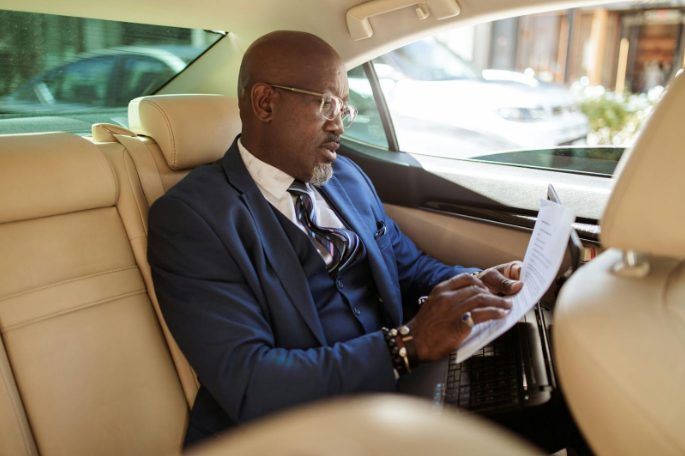
That’s why many executives choose a corporate chauffeur service in Dubai to streamline their business travel. Unlike conventional transport, these services offer punctuality, comfort, and reliability, allowing professionals to make the most of their journey. With a private chauffeur, business leaders can review presentations, respond to emails, or prepare for meetings while en route—ensuring that every trip is productive.
By eliminating the hassle of navigation, parking, or waiting for rides, professionals can stay focused on what truly matters—their business.
2. Mastering the Art of Delegation
Highly effective leaders don’t try to do everything themselves. Instead, they delegate tasks strategically, allowing them to focus on decisions that require their expertise.
Delegation isn’t about offloading work—it’s about optimizing efficiency. CEOs ensure that tasks are assigned based on team strengths, giving employees ownership and responsibility over their roles. This approach reduces decision fatigue and allows leaders to focus on big-picture goals.
To ensure smooth delegation, many working professionals use task management tools that provide real-time updates on project progress. These platforms allow leaders to track performance without micromanaging, freeing up more time for high-priority work.
3. Structuring the Day for Maximum Productivity
Without a clear structure, even the most capable professionals can find themselves overwhelmed. Successful CEOs plan their day in advance, setting aside dedicated time for essential activities.
One of the most effective time management techniques is time blocking—allocating specific hours to specific tasks. Many CEOs schedule their most demanding work in the morning when their energy levels are highest. Meetings, calls, and lower-priority tasks are often reserved for later in the day.
Another strategy is the two-minute rule—if something takes less than two minutes, they complete it immediately instead of adding it to a to-do list. This prevents minor tasks from piling up and taking over the schedule.
4. Limiting Decision Fatigue
Every decision, no matter how small, takes mental energy. Over time, this leads to decision fatigue, reducing a leader’s ability to make high-quality choices. That’s why top leaders eliminate unnecessary decisions from their daily routines.
Many CEOs follow streamlined routines to reduce the number of choices they have to make. For example, some wear the same type of outfit every day, stick to a structured meal plan, or automate routine approvals. By simplifying low-impact decisions, they conserve mental energy for critical business matters.
Another way executives reduce decision fatigue is by setting clear priorities and frameworks for decision-making. When guidelines are established in advance, they spend less time deliberating and more time executing.
5. Using Technology for Smart Scheduling
Digital tools play a crucial role in helping executives manage their time efficiently. Instead of manually handling scheduling conflicts, CEOs use AI-powered assistants that automate calendar management and prevent double-bookings.
For email management, smart filtering systems help categorize messages based on urgency. Instead of spending hours sorting through emails, business leaders can focus only on what requires their immediate attention.
Project management tools also allow teams to collaborate seamlessly, ensuring that projects move forward without constant check-ins. With real-time dashboards and automated task tracking, leaders can stay informed without getting overwhelmed by minor updates.
6. Setting Boundaries to Prevent Distractions
Disruptions can derail even the most organized leaders. That’s why CEOs set clear boundaries to protect their focus.
Many executives limit unnecessary meetings, ensuring that discussions are concise and productive. Some companies have even introduced meeting-free days, allowing leaders to dedicate time to strategic planning without interruptions.
Setting boundaries also applies to communication. Instead of responding to messages instantly, CEOs often batch emails and calls, handling them at scheduled intervals instead of throughout the day. This prevents constant distractions and keeps their workflow uninterrupted.
7. Prioritizing Health and Mental Sharpness
Time management isn’t just about squeezing more tasks into the day—it’s also about maintaining sustained energy and focus. That’s why business leaders need to prioritize health and well-being as part of their productivity strategy.
Regular exercise, sufficient sleep, and mindful relaxation help CEOs stay sharp and avoid burnout. Many start their day with a workout or a quiet routine that sets a positive tone for the rest of the day.
Mental well-being is just as important as physical health. Leaders who integrate short breaks into their schedule and practice stress management techniques are often more productive than those who push through exhaustion.
Time is the one resource that can’t be expanded—but it can be managed effectively. The most successful executives don’t just work harder—they work smarter.
By optimizing travel, structuring their day, using technology, and setting firm boundaries, CEOs ensure that every minute is used productively. These strategies aren’t just for corporate leaders—they can benefit anyone looking to improve efficiency and reduce stress.
Effective time management isn’t about filling the day with more tasks—it’s about focusing on what truly matters. With the right approach, it’s possible to accomplish more without feeling overwhelmed.


