



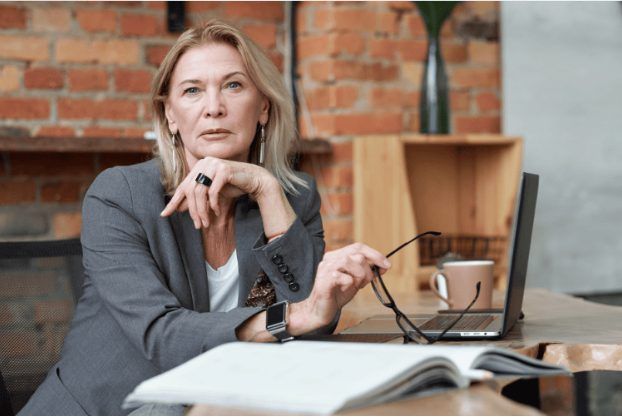
In today’s visually driven business world, first impressions are formed long before you ever speak. From LinkedIn headshots to conference panels and Instagram Reels, how you present yourself visually has become an extension of your professional brand. In fact, your wardrobe has the power to speak volumes about your leadership style, values, and credibility without saying a single word.
Personal style is no longer just a private choice; it’s a strategic tool that entrepreneurs and executives use to shape how they’re perceived by investors, peers, clients, and the media. It’s not about vanity. It’s about visibility. Whether you’re closing a deal or launching a startup, your look can either reinforce your expertise or subtly undercut your authority.
So, what does “dressing the part” look like in the modern business landscape? It’s about alignment, authenticity, and brand cohesion. Let’s break down how personal style can influence public perception and cement your presence as a leader.
1. Your Style Is a Brand Statement
We’ve long understood that businesses need branding, but today, so do the people who run them. As a founder, consultant, or C-suite executive, you are your brand — especially if your business is built around your voice, expertise, or presence.
Every piece of clothing you wear is a chance to tell your audience who you are. Are you creative and bold? Sleek and professional? Minimalist and refined? Your style sends immediate visual cues that shape how others experience you.
For example, a creative director wearing a tailored jumpsuit in a bold color may project originality and confidence, while a fintech founder in clean, neutral-toned suiting may reflect control and stability. Neither is “better” — what matters is alignment. When your style matches the message you want to send, it builds trust and reinforces clarity.
2. Confidence Is Contagious (and Style Helps)
Personal style and self-confidence are deeply connected. When you dress in a way that makes you feel powerful, it affects how you carry yourself, how you speak, and how others respond to you. Confidence translates directly into credibility — something every leader needs.
Research even supports this. Studies in “enclothed cognition” show that what we wear can influence how we think and perform. When you wear clothing that feels polished and true to your identity, your posture improves, your voice strengthens, and your energy shifts.
This effect becomes even more powerful in high-stake environments like presentations, media interviews, investor meetings, or team leadership settings. Dressing the part doesn’t just shape perception, it influences performance.
3. Style as a Tool for Visibility and Memorability
The most effective leaders today know they need to be seen and remembered. Whether you’re pitching a product or building a personal brand, attention is currency and your style can help you stand out in a saturated market.
Personal style creates a consistent visual thread across platforms. Think about your website, Instagram, LinkedIn, and press features. Does your image reflect the energy of your business?
This is where intentional fashion choices come in. Signature silhouettes, color palettes, and styling choices become part of your identity. People begin to recognize you not just by your name, but by your presence.
Brands like Ellaé Lisqué have become go-to resources for leaders looking to command attention while remaining authentic. Their two piece sets, for example, offer a modern twist on traditional power dressing — striking the perfect balance between structure and style for boardroom or brand shoot.
4. Dressing with Intention Builds Trust
Public perception is rooted in two things: clarity and consistency. When people see you showing up with intention, whether on stage or on social media, they begin to associate you with professionalism, polish, and leadership. That’s the power of personal style as a trust-builder.
It doesn’t mean you need to wear designer labels or stick to a rigid uniform. In fact, some of the most compelling leaders today are those who bring personality into their wardrobe — bright colors, bold accessories, or statement pieces that reflect their culture, creativity, or individuality.
What matters is that your look is intentional. It should support the message you’re trying to send, whether that’s “I’m an innovative founder disrupting an industry” or “I’m a seasoned expert who can lead teams through change.”
5. Style Evolves, So Should Your Brand
As your business grows, your wardrobe should evolve with it. The version of you who bootstrapped your startup from a coffee shop may not be the same version who’s now on magazine covers or keynoting industry events.
Think of your style as a visual rebrand at each new stage of growth.
Just like you update your logo, website, and product offering, it’s okay (and strategic) to update your personal look. Hire a stylist for your next brand shoot. Invest in pieces that match where you’re headed, not just where you are. Review your visual presence across digital touchpoints to ensure cohesion.
Remember: as the face of your business, your image is part of the brand collateral. Style is a smart way to stay relevant, polished, and aspirational as your company scales.
Final Thoughts
Your personal style can be your secret advantage. It’s not about dressing up for the sake of appearances, it’s about showing up with clarity, authenticity, and intention.
Style shapes how you’re seen. It influences how people perceive your competence, creativity, and credibility. Most importantly, it affects how you feel when you’re leading, pitching, negotiating, and building.
If you’re thinking about your next business move, also think about your wardrobe. It just might be one of the most powerful branding tools you already own.


