






Key Takeaways
- Simple DIY yard projects can significantly enhance your outdoor living space.
- Planning and research, including selecting appropriate materials, are crucial for successful projects.
- Incorporating sustainable practices, like using native plants, can benefit the environment.
- Outdoor spaces can be made more functional with seating areas, fire pits, and garden beds.
Planning Your DIY Yard Projects
Planning is essential before embarking on any DIY yard project. Start by determining the objectives you aim to reach, whether they involve enhancing visual attractiveness, establishing practical usage, or integrating environmentally friendly practices. It’s essential to have a clear vision of what your yard looks like and how you want it to serve you.
Creating Functional Outdoor Spaces
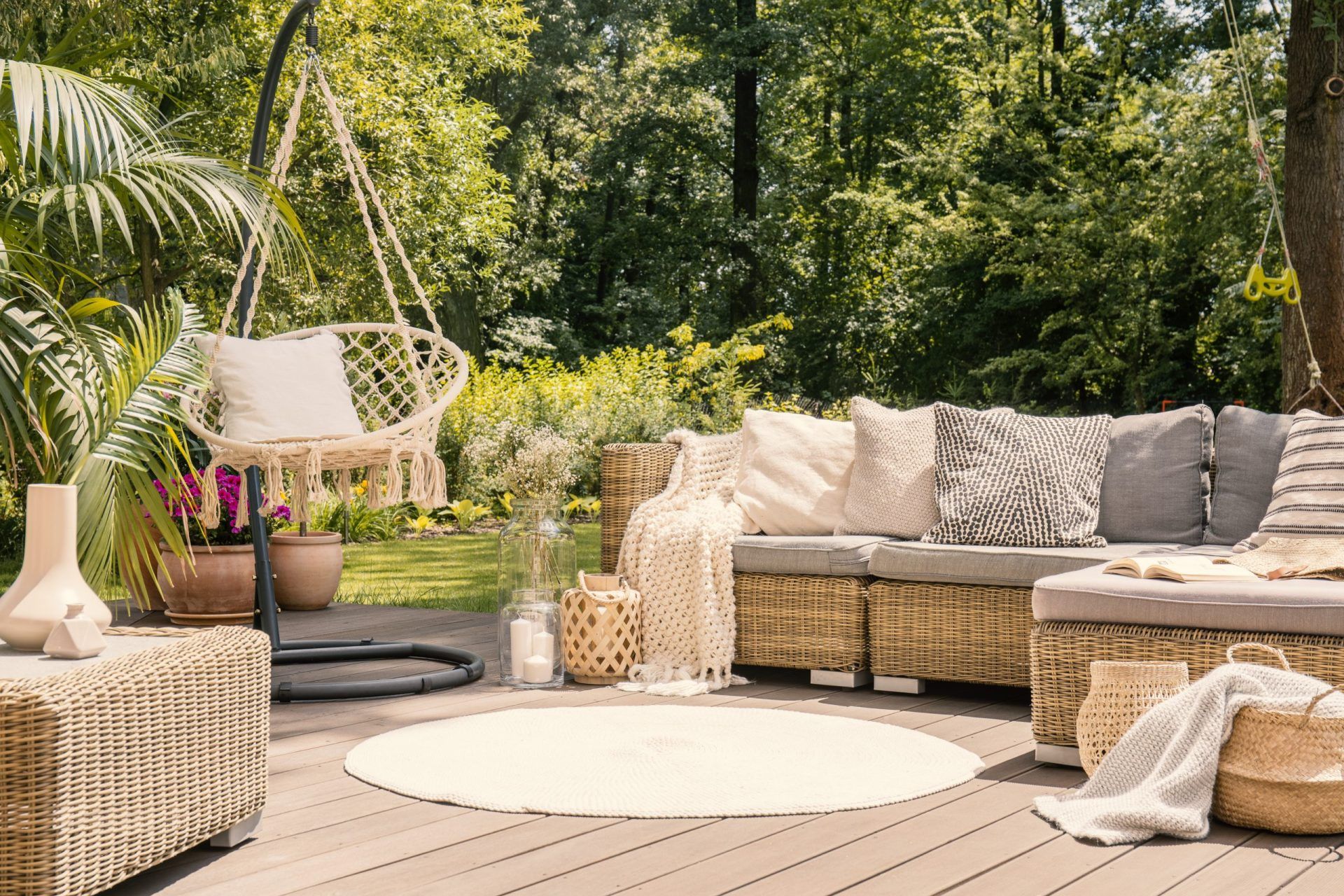
Functional outdoor spaces maximize the usability and enjoyment of your yard. Consider adding a fire pit or a seating area to create a social gathering spot. This can transform your yard into a welcoming space for friends and family to gather. Additionally, consider features like garden beds for growing your vegetables or a water feature to create a serene environment. Pathways can tie the different elements of your yard together and make it easier to navigate.
These enhancements not only enhance the visual attractiveness but also enhance the practicality of your yard. When planning these elements, think about how they’ll be used and how they might evolve to ensure lasting satisfaction. Doing thorough research and making a detailed plan can save you time and money in the long run, especially considering the comprehensive services available for lawn care Idaho Falls. With the right approach, your yard can become a welcoming extension of your home, perfectly tailored to your needs and tastes.
Choosing the Right Materials
Using suitable materials can make or break your DIY project. When selecting materials, consider durability, cost, and environmental impact. For instance, if you’re building garden beds or a patio, opt for sustainable and long-lasting materials like reclaimed wood or natural stone. These not only add an aesthetic appeal but also reduce the environmental footprint.
Opt for sustainable materials whenever possible. You can find a plethora of information here on Earth-friendly yard supplies and how they can contribute to your project. Investing more initially for quality materials is worthwhile, as they can save you from frequent repairs and replacements in the future.
Incorporating Native Plants
Using native plants in your yard has multiple benefits, including lower maintenance and reduced water usage. Indigenous plants are well-suited to their region’s specific weather and soil conditions, making them easier to maintain and more damage-resistant. Furthermore, these plants attract local wildlife, such as birds and butterflies, promoting biodiversity in your area.
This, in turn, supports a healthier ecosystem. Moreover, they provide habitat for local wildlife and contribute to the ecosystem. Choosing native plants means working with nature rather than against it, often resulting in a more sustainable and vibrant garden that thrives with minimal intervention.
Sustainable Landscaping Practices
Adopting sustainable landscaping practices can significantly reduce your environmental footprint. Methods like xeriscaping, which aims to minimize or remove the need for watering in landscapes, are wildly successful in dry areas. Also, consider installing rainwater harvesting systems to gather and use rainwater for your garden.
Composting organic waste to create nutrient-rich soil can also enhance plant health and reduce the need for chemical fertilizers. Sustainable practices benefit the environment and improve your outdoor space’s long-term health and beauty, creating a harmonious balance between nature and habitation.
DIY Garden Projects
There is something gratifying about creating a garden with your own hands. Start with small projects, like building raised garden beds or installing a drip irrigation system. Raised beds can improve soil drainage and make gardening more accessible, while a drip irrigation system ensures your plants receive consistent moisture. Gradual progress can result in significant enhancements in the long run.
Taking part in these projects enhances the aesthetics of your surroundings, encourages physical movement, and instills a feeling of achievement. For a wealth of ideas and practical tips, the Garden Design website offers excellent resources. Whether you’re a novice or an experienced gardener, there’s always something new to learn and try in your garden.
Regular Maintenance
Once your DIY projects are complete, maintaining your yard is crucial for long-lasting results. Regularly check for weeds, pests, and other issues that may arise. Maintaining a consistent maintenance schedule will prevent minor problems from becoming more significant. Seasonal maintenance tasks, like pruning and mulching, will keep your yard looking its best year-round.
Mulching helps retain soil moisture and suppress weeds, while pruning promotes healthy growth and the overall vigor of your plants. Maintenance doesn’t have to be a chore; with a little effort, it can be a satisfying way to spend time outdoors and ensure that your yard remains a beautiful and relaxing space.
Conclusion
Transforming your outdoor space with DIY yard projects can be enjoyable and beneficial. You can create a beautiful and functional yard with thoughtful planning, suitable materials, and sustainable practices. No matter how small, each project contributes to the overall enhancement of your outdoor space. Enjoy your next project enthusiastically, and watch your yard come to life. The satisfaction of creating a space that reflects your personality and meets your needs is immeasurable, and every effort made towards that vision is genuinely worthwhile.


