






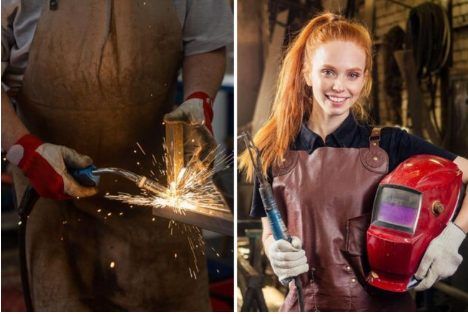
The leather welding apron has a rich history that dates back to the early days of industrialization. As metalworking techniques advanced and the demand for durable protective gear grew, craftsmen sought innovative solutions to shield themselves from the hazards of their trade. The earliest iterations of the welding apron were simple in design, often crafted from thick leather scraps stitched together by hand. While rudimentary, these aprons provided essential protection against sparks, molten metal, and flying debris, laying the foundation for the modern welding apron. With the advent of industrial sewing machines and improvements in leather tanning processes, manufacturers were able to produce aprons that were more durable, comfortable, and aesthetically pleasing. Additionally, innovations in fire-resistant materials and coatings further enhanced the apron’s ability to withstand the rigors of welding, ensuring the safety and well-being of welders in even the most hazardous environments.
Today, the leather welding apron continues to evolve in response to changing industry needs and safety standards. Modern aprons may incorporate features such as adjustable straps, reinforced stitching, and strategically placed pockets for tools and accessories. Furthermore, advancements in ergonomic design have led to aprons that are more comfortable to wear for extended periods, reducing fatigue and increasing productivity. Despite these innovations, the core principles of durability, functionality, and protection remain central to the design and construction of the leather welding apron, ensuring that it continues to be an essential piece of equipment for welders around the world.
Design and Construction
The design of the leather welding apron is characterized by its simplicity and functionality. Typically, the apron features a full-length coverage that extends from the chest to the knees or lower, providing comprehensive protection for the wearer’s torso and legs. This extended coverage helps shield welders from sparks, splatter, and heat generated during welding operations, reducing the risk of burns and injuries. Additionally, the apron may include adjustable straps at the neck and waist, allowing for a customized fit that ensures the apron stays securely in place during use. The construction of the leather welding apron is crucial to its effectiveness and longevity. Premium-grade leather, such as cowhide or split cowhide, is selected for its durability, heat resistance, and flexibility. The leather is typically treated with fire-resistant coatings or finishes to enhance its ability to withstand high temperatures and flames. Double-layered panels and reinforced stitching at critical stress points further enhance the apron’s durability, ensuring that it can withstand the wear and tear of daily use in the workshop or on the job site. In addition to its protective qualities, the leather welding apron is designed to be practical and functional. Multiple pockets provide convenient storage for tools, welding rods, and other accessories, allowing welders to keep essential items within easy reach. Some aprons may also feature built-in loops or holders for welding rods, eliminating the need for separate storage solutions and streamlining the welding process. These thoughtful design elements help enhance efficiency and productivity, enabling welders to focus on their work without being encumbered by their protective gear.
Functionality and Features
Beyond its protective qualities, the leather welding apron boasts a range of features designed to enhance comfort and convenience for the wearer. Adjustable straps allow for a customized fit, ensuring that the apron stays securely in place during even the most demanding tasks. This helps prevent the apron from shifting or riding up, reducing the risk of exposure to sparks and heat. Additionally, the adjustable straps allow welders to find the perfect fit for their body type, ensuring maximum comfort and mobility while working. Multiple pockets provide ample storage for tools, welding rods, and other accessories, keeping them within easy reach while minimizing the need for trips to the toolbox. This helps streamline the welding process, allowing welders to work more efficiently and productively. Additionally, some aprons may include built-in loops or holders for welding rods, further enhancing convenience and accessibility. These thoughtful design features help ensure that welders have everything they need close at hand, allowing them to focus on their work without interruption. The leather welding apron is also designed with durability in mind, ensuring that it can withstand the rigors of daily use in the workshop or on the job site. Premium-grade leather, such as cowhide or split cowhide, is selected for its exceptional durability, heat resistance, and flexibility. Double-layered panels and reinforced stitching at critical stress points further enhance the apron’s strength and longevity, ensuring that it can withstand the wear and tear of welding operations. This durability helps protect welders from injury and ensures that their protective gear remains in good condition for years to come.
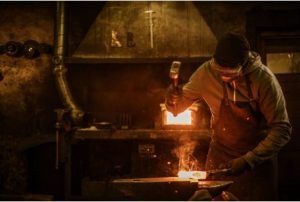

As you embark on your welding journey or seek to upgrade your protective gear, consider the timeless elegance and unparalleled durability of a leather welding apron. At Lapron, we offer a curated collection of leather aprons crafted with precision and passion. From classic designs to modern interpretations, our aprons are designed to provide the ultimate blend of style, comfort, and protection for welders and craftsmen alike. Join us in celebrating tradition, craftsmanship, and the art of welding with Lapron.
Versatility in Application
While primarily designed for welding, the leather welding apron’s versatility extends to a variety of industrial applications. From metal fabrication and construction to automotive repair and woodworking, it offers reliable protection in environments where sparks, flames, and sharp objects are commonplace. Its rugged construction and durable materials make it well-suited for tasks that demand resilience and durability, ensuring that the wearer can focus on the job at hand without compromising safety or comfort. The leather welding apron’s versatility makes it a valuable tool for welders and craftsmen in a wide range of industries. Whether working in a manufacturing facility, a construction site, or a home workshop, welders can rely on the apron to provide essential protection against the hazards of their trade. Its durable construction, adjustable fit, and thoughtful design features make it an indispensable piece of equipment for anyone working with hot metal, sparks, or flames. As such, the leather welding apron has earned its place as a trusted companion for welders around the world, ensuring their safety and comfort in even the most challenging work environments.
Durability and Longevity
One of the most notable features of the leather welding apron is its exceptional durability and longevity. Unlike synthetic materials that may degrade over time or melt under high temperatures, leather is known for its resilience and heat resistance. With proper care and maintenance, a quality leather apron can withstand years of heavy use, developing a rich patina that tells the story of countless hours spent in the workshop or on the job site. This longevity not only makes leather aprons a wise investment but also a cherished companion for craftsmen and welders alike. The durability of the leather welding apron is due in large part to the quality of its construction and materials. Premium-grade leather, such as cowhide or split cowhide, is selected for its exceptional strength, flexibility, and heat resistance. Double-layered panels and reinforced stitching at critical stress points ensure that the apron can withstand the wear and tear of welding operations, providing reliable protection for the wearer. Additionally, fire-resistant coatings or finishes help enhance the apron’s ability to withstand high temperatures and flames, further extending its lifespan. In addition to its durability, the leather welding apron is also known for its ability to develop a unique patina over time. As the apron is exposed to heat, sparks, and other elements during welding operations, the leather gradually takes on a rich, weathered appearance that adds character and charm to the apron. This patina is not only aesthetically pleasing but also serves as a testament to the apron’s longevity and resilience. It is a visible reminder of the countless hours spent working in the shop or on the job site, and a badge of honor for welders who take pride in their craft.
Comfort and Breathability
Despite its robust construction, the leather welding apron is surprisingly comfortable to wear, thanks to its breathable design and ergonomic features. Unlike some synthetic fabrics that can trap heat and moisture, leather allows for air circulation, keeping the wearer cool and comfortable even in hot and humid conditions. This breathability helps prevent overheating and discomfort, allowing welders to focus on their work without being distracted by their protective gear. The leather welding apron’s ergonomic design also contributes to its comfort and wearability. Adjustable straps at the neck and waist allow for a customized fit that ensures the apron stays securely in place during use. This helps prevent the apron from shifting or riding up, reducing the risk of exposure to sparks and heat. Additionally, the natural flexibility of leather ensures freedom of movement, allowing welders to work with precision and agility without feeling restricted by their protective gear. These ergonomic features help enhance comfort and mobility, enabling welders to work more efficiently and productively. In addition to its comfort and breathability, the leather welding apron is also known for its durability and longevity. Crafted from premium-grade leather and reinforced with double-layered panels and reinforced stitching, it is designed to withstand the rigors of daily use in the workshop or on the job site. Fire-resistant coatings or finishes further enhance the apron’s ability to withstand high temperatures and flames, ensuring that it provides reliable protection for the wearer. This durability and longevity make the leather welding apron a wise investment for welders who demand the best in quality and performance.
Style and Professionalism
In addition to its practical benefits, the leather welding apron exudes a sense of style and professionalism that sets the wearer apart in the workshop or on the job site. With its classic design and timeless appeal, it commands respect and admiration from peers and clients alike. Whether worn by seasoned professionals or aspiring craftsmen, the apron serves as a symbol of dedication, skill, and pride in one’s work. Its sleek silhouette and rich leather finish add a touch of sophistication to any work ensemble, elevating the wearer’s appearance and instilling confidence in their abilities. The leather welding apron’s stylish design and professional appearance make it a popular choice for welders and craftsmen who take pride in their work. Whether working in a manufacturing facility, a construction site, or a home workshop, welders can rely on the apron to provide essential protection while maintaining a polished and professional image. Its durable construction, adjustable fit, and thoughtful design features make it an indispensable piece of equipment for anyone working with hot metal, sparks, or flames. As such, the leather welding apron has earned its place as a trusted companion for welders around the world, ensuring their safety and comfort in even the most challenging work environments.
Conclusion
In conclusion, the leather welding apron stands as a testament to the enduring values of craftsmanship, durability, and style in the world of welding. From its humble origins to its modern-day adaptations, it continues to be an essential tool for welders and craftsmen seeking reliable protection and timeless elegance. As you don your apron and step into the workshop or onto the job site, may you embody the spirit of excellence and dedication that defines the welding profession.


