






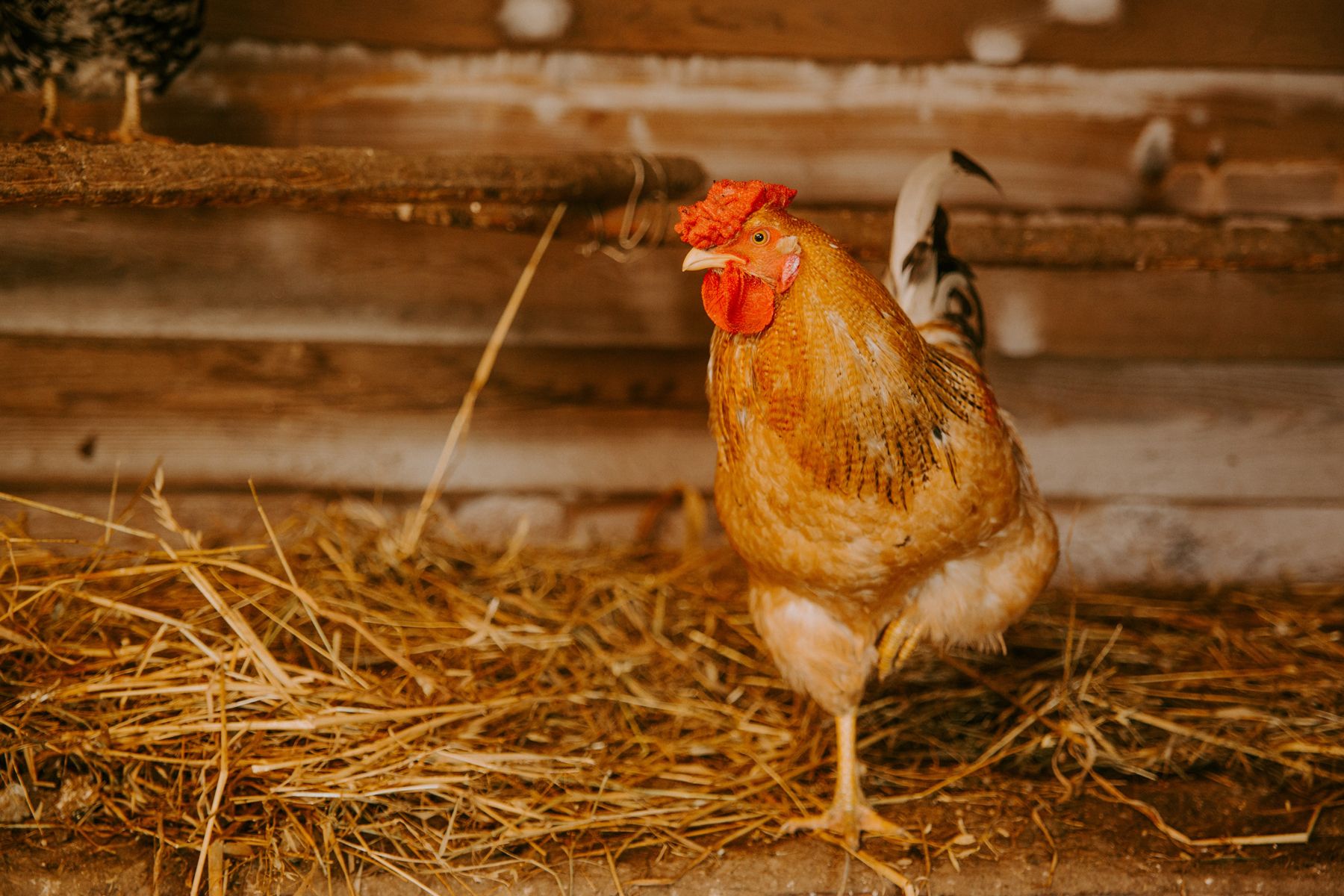
When it comes to keeping chickens, one of the most critical decisions you’ll make is choosing the best bedding for their nesting boxes. The right bedding not only ensures the comfort and health of your hens but also impacts egg cleanliness and overall coop hygiene.
With a myriad of options available, it’s essential to understand the pros and cons of each type of bedding to make an informed decision. This comprehensive guide will help you navigate through the choices and find the best bedding for your chicken nesting boxes.
Why Bedding Matters
Before diving into the various types of bedding, it’s crucial to understand why bedding is essential for nesting boxes. Bedding serves multiple purposes:
- Soft bedding provides a comfortable and inviting environment for hens to lay their eggs.
- Bedding helps regulate temperature, keeping the hens warm in winter and cool in summer.
- Good bedding absorbs moisture from droppings and broken eggs, reducing the risk of bacterial growth.
- Proper bedding keeps eggs cleaner, making them easier to collect and reducing the risk of contamination.
- Bedding can help control odors by absorbing moisture and neutralizing ammonia from droppings.
With these factors in mind, let’s explore the most popular bedding options for chicken nesting boxes.
Straw
Straw is one of the most traditional and widely used bedding materials for chicken coops and nesting boxes. It’s affordable, easy to find, and has several benefits.
Pros:
- Straw is soft and provides a cozy environment for hens to nest.
- It offers good insulation, keeping hens warm during colder months.
- Straw can absorb some moisture, helping to keep the nesting area dry.
Cons:
- Straw can mold if it becomes too wet, posing health risks to chickens.
- It can be challenging to clean and may need frequent replacement.
- Straw can attract mites and other pests if not managed properly
Overall, straw is a viable option, especially if you’re on a budget and can manage regular cleaning and replacement.
Hay
Hay is often confused with straw, but it’s a different material with distinct characteristics. Hay is typically greener and softer, making it more appealing to some chicken keepers.
Pros:
- Hay is soft and comfortable for chickens to nest in.
- It often has a pleasant smell, which can improve the coop’s overall ambiance.
- If chickens eat it, hay can provide some nutritional benefits.
Cons:
- Like straw, hay can mold if it gets wet, creating a risk of respiratory issues for your flock.
- Hay is generally more expensive than straw.
- It requires frequent cleaning and replacement to prevent mold and pests
While hay can be a good option for bedding, it’s essential to keep it dry and replace it regularly to avoid mold and pests.
Pine Shavings
Pine shavings are a popular choice among chicken keepers for both coops and nesting boxes. They offer a range of benefits and are relatively easy to manage.
Pros:
- Pine shavings are highly absorbent, keeping the nesting area dry and reducing odors.
- They have a pleasant pine scent, which can help mask unpleasant odors in the coop.
- Pine shavings are easy to clean and replace, making maintenance simpler.
Cons:
- Pine shavings can be more expensive than straw or hay.
- They can be dusty, which may cause respiratory issues if the coop is not well-ventilated.
Pine shavings are an excellent choice for those willing to invest a bit more for better absorbency and easier maintenance.
Cedar Shavings
Cedar shavings are another option that some chicken keepers consider for their nesting boxes. However, they come with significant caveats.
Pros:
- Cedar has a strong, pleasant scent that repels insects and masks odors.
- Cedar shavings are absorbent, helping to keep the nesting area dry.
Cons:
- The aromatic oils in cedar can be toxic to chickens, especially young chicks, causing respiratory problems and skin irritation.
- Cedar shavings are generally more expensive than other types of bedding.
Due to the potential health risks, it’s advisable to avoid cedar shavings for chicken bedding, especially if you have young chicks or a poorly ventilated coop.
Sand
Sand is gaining popularity as a bedding material for both chicken coops and nesting boxes. It’s quite different from traditional organic bedding but offers unique advantages.
Pros:
- Sand is easy to clean and does not harbor bacteria or mold as easily as organic materials.
- It helps keep chickens cool in hot weather.
- Sand effectively controls odors by drying out droppings quickly.
Cons:
- Sand is heavy, making it difficult to move and clean.
- It does not provide insulation and can be cold in winter.
- Setting up a sand bedding system can be more labor-intensive and costly initially
Sand is an excellent choice for those in warmer climates or who prioritize hygiene and ease of cleaning.
Shredded Paper
Shredded paper is a cost-effective and environmentally friendly option for chicken bedding. It can be made from recycled paper, adding an element of sustainability.
Pros:
- Shredded paper is often free or very cheap.
- It’s an excellent way to recycle old newspapers and documents.
- Provides a comfortable and safe nesting environment.
Cons:
- Not as absorbent as other materials, so it may need frequent changing.
- Paper can become soggy and messy when wet.
- Newspaper ink might pose a risk if consumed by chickens.
Shredded paper is suitable for those looking for an inexpensive and eco-friendly bedding option but may require more frequent maintenance.
Hemp Bedding
Hemp bedding is becoming increasingly popular among chicken keepers for its superior qualities. It’s made from the stalks of the hemp plant and is known for its durability and absorbency.
Pros:
- Hemp bedding can absorb more moisture than most other materials, keeping the nesting area dry.
- Excellent at controlling odors due to its high absorbency.
- Hemp is a sustainable resource that’s biodegradable.
Cons:
- Hemp bedding can be more expensive than other types.
- It may not be as readily available as straw or pine shavings.
For those willing to invest in high-quality bedding, hemp is a top choice due to its absorbency and eco-friendliness.
Coconut Coir
Coconut coir, made from coconut husks, is another bedding option worth considering. It’s known for its absorbent and antimicrobial properties.
Pros:
- Highly absorbent, helping to keep the nesting area dry.
- Naturally resistant to mold and bacteria.
- Coconut coir is a renewable resource and biodegradable.
Cons:
- Can be more expensive than traditional bedding materials.
- Not as widely available as straw or pine shavings.
Coconut coir is an excellent choice for those looking for a sustainable and effective bedding material.
Best Practices for Managing Nesting Box Bedding
Regardless of the bedding material you choose, proper management is crucial to ensure the health and comfort of your hens. Here are some best practices:
- Regular Cleaning: Clean and replace bedding regularly to prevent mold, bacteria, and pests.
- Dry Environment: Ensure the nesting boxes and coop remain dry to extend the life of the bedding.
- Ventilation: Proper ventilation in the coop helps reduce moisture and ammonia buildup, improving overall air quality.
- Layering: Consider layering bedding materials to enhance absorbency and comfort. For example, a base layer of sand with a top layer of straw or shavings.
- Monitor Health: Regularly check your hens for signs of respiratory issues, mites, or other health problems that could be linked to bedding.
Conclusion
Choosing the best bedding for your chicken nesting boxes is a crucial aspect of poultry management. Each type of bedding comes with its own set of advantages and disadvantages, and the best choice will depend on your specific needs, climate, and budget. Whether you opt for traditional materials like straw and hay or modern alternatives like hemp and coconut coir, the key is to ensure a clean, dry, and comfortable environment for your hens. By following best practices for bedding management, you can maintain a healthy and productive flock while enjoying the benefits of fresh, clean eggs.


