



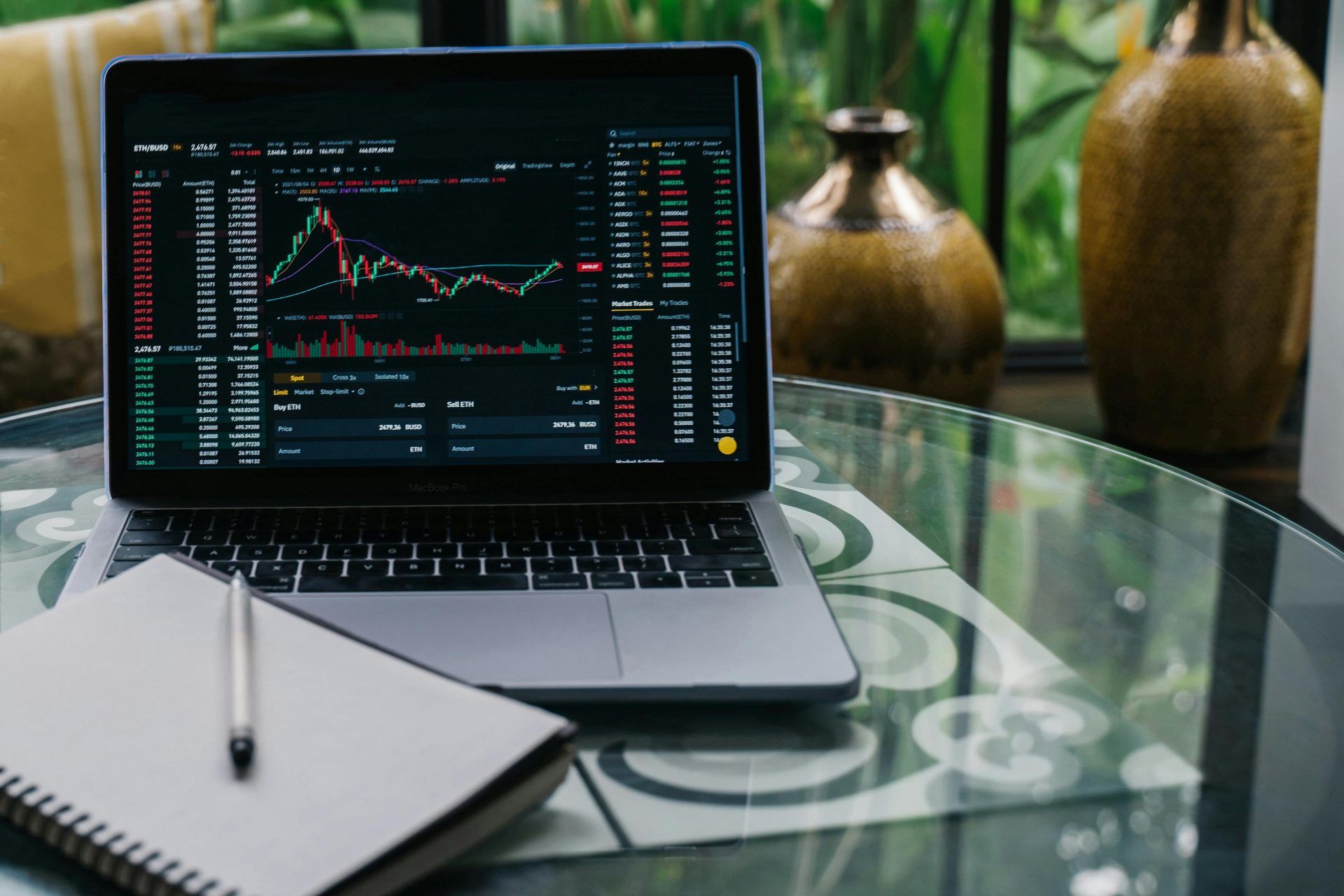
Success in the fast-paced modern corporate environment depends on being adaptable and grabbing every chance. Businesses are turning to day trading as a tool for improving their financial plans as the globe gets more linked and financial markets get ever more complicated. Though the concept of day trading—buying and selling financial assets within a single day—might appear like an activity intended for individual investors or huge companies, it is progressively finding a place in the plans of smaller organizations and startups.
The Role of Technology
Any company nowadays cannot afford to overlook the importance of technology. Day trading has changed during the Internet era, which increases accessibility and efficiency for companies of all kinds. High-speed internet, automated trading systems, and algorithmic trading platforms have let companies participate in day trading at a level traditionally exclusive to big hedge funds or individual investors with great technical knowledge.
For example, automated trading systems let companies gain from market swings while also keeping a hands-off attitude to day trading. These systems, which run trades depending on real-time market data without human involvement, can be designed with certain trading techniques and circumstances. For finance teams or business owners, this lessens their time commitment and helps to prevent emotional trading decisions—often resulting in errors. Moreover, machine learning and artificial intelligence (AI) are being applied more and more to forecast market trends, therefore providing companies with a clear advantage in precisely spotting valuable prospects.
Day Trading as a Tool
A fundamental idea in both business and investment are diversification. Your company runs in great danger if you depend too much on one source of income or one market. By including liquid, short-term investments in your current long-term assets, day trading presents a great chance to diversify your financial portfolio. However, to use it at its fullest One must be aware of all the day trading rules.
Day trading can let you profit from developing trends, such as the fast expansion of tech stocks, commodities, or even bitcoin markets, as part of your whole diversification plan. Your company can profit from price fluctuations by strategically trading in several sectors, therefore avoiding excessive reliance on any one sector or asset class. Moreover, the fast-paced character of day trading means you may rapidly modify your positions as market circumstances change, therefore offering flexibility that can be quite helpful in an uncertain economic situation.
Balancing Day Trading
Day trading can provide flexibility and fast rewards, but it’s crucial not to forget your long-term company objectives. Day trading is intrinsically dangerous; if it becomes the main emphasis in your financial plan, you run the danger of ignoring the steady, continuous development required for long-term corporate success.
Establishing defined limits and rules can help you to reconcile daily trading with long-term goals. You may set aside a specified amount of your company’s cash for day trading, for example, while putting most of it in safer, longer-term investments like bonds or real estate. This strategy offers the possibility of short-term profits while helping your company stay free from the dangers connected to day trading. Review your trading plan also to make sure it complements your general corporate objectives and does not compromise your long-term vision.
The Challenges and Pitfalls of Day Trading for Businesses
Day trading presents difficulties even with the possible benefits. Day trading carries mostly a risk related to a large financial loss. The fast speed of the market means that judgments must be taken soon and that the mistake margin is low. Given the bigger financial needs involved, these losses might be more detrimental for a company than for a personal investor.
Day trading also calls for continual market monitoring, which can be time-consuming. For companies lacking the required knowledge or tools, this may be rather taxing. Remember also that day trading is not a sure approach to make money; even experienced traders lose money, and companies are not exempt from these hazards. Therefore, it is important to have a strong risk management plan in place and a clear knowledge of the time and resources needed to succeed before committing to a daily trading strategy.
Conclusion
Day trading is probably going to become a more crucial component of corporate strategy for businesses trying to optimize their financial returns as markets change and technologies develop. Day trading might be totally used and risk-reducing by precisely harmonizing it with your long-term company objectives. Though it presents an interesting possibility, day trading is like any strong instrument that needs to be used carefully and precisely.


