



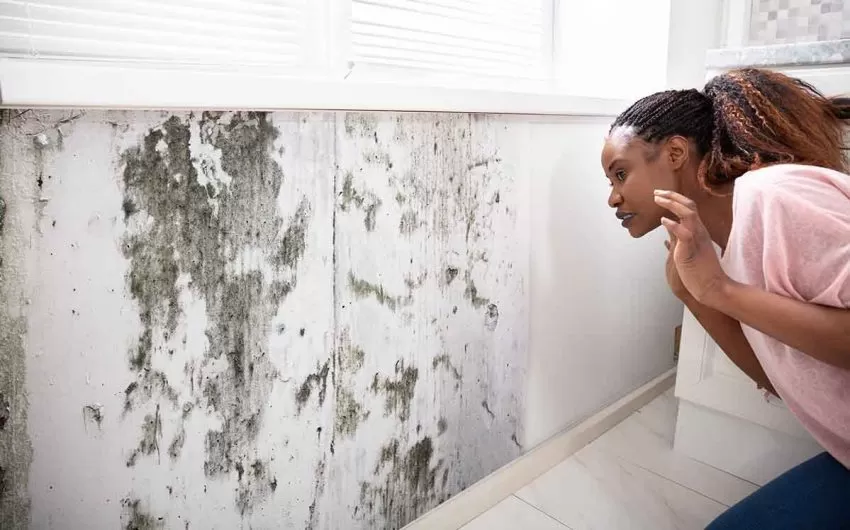
Mold is a problem that is common in many homes and offices, including those in Clearwater.
In the humid environment of Clearwater, Florida,mold can easily and rapidly grow, thereby posing potential health hazards as well as weakening structures.
This guide offers the necessary steps and information for mold remediation clearwater, with an emphasis on safety precautions and effective solutions.
Understanding Why Mold Remediation is Important in Clearwater
Molds are not just unpleasant to look at; they have severe health effects and destroy buildings.
Mold spores can cause allergies, asthma, or any other breathing difficulties. They may even cause more serious health problems in some cases.
Besides this,molds weaken structural parts that need expensive repairs.
Therefore,quick and efficient mold removal is essential in Clearwater, where a warm, humid climate favors its growth.
Mold Inspection: Locating the Problem
The initial stage of mold remediation involves a comprehensive investigation of all possible areas that could be infested with mold. These include basements, attics, and crawl spaces near water sources, among others.
Inspect for visible signs like discolored walls or ceilings,a musty smell, or stained patches indicating dampness from dripping water.
Mold may be hidden in walls or floors in some cases,so you better get a professional to navigate through your whole house.
Inspecting the Extent of Mold Contamination
The initial step after discovering mold is to determine how much it has spread out.This may involve the identification of the mold type and the extent of its infestation.
Some molds are more hazardous than others; thus,specific knowledge about them would help in coming up with an effective remediation plan.
Mold experts can employ special tools and instruments to accurately assess pollution levels.
SAFE AND COST-EFFECTIVE MOLD REMEDIATION STRATEGIES
Once the level of contamination is determined,actual work on eliminating mold begins. While doing this phase,safety should come first because exposure to a variety of molds may be harmful.
These professionals usually put on protective attire such as masks and gloves while using negative air machines to hold back the fungus growth from spreading further, aside from those areas that have already been affected by mold infection. The steps involved in remediating mold commonly include:
Containment: Limiting the movement of spores through other parts of the building
Cleaning and disinfecting:
Specialized products or techniques will evacuate and disinfect materials that have been affected by mildew.
Drying:
Complete dryness should be ensured to prevent the recurrence of any mold within the affected area.
Repairs:
Fixing all water damage and blocking the leaks will stop mold from coming again.
Post-Remediation Verification and Follow-Up
A post-remediation verification is necessary after a mold remediation process to ensure that the problem of the mold has been well addressed.
This might entail air quality testing to ascertain that there are acceptable levels of spores causing mold in the room.
Such follow-up inspections could be scheduled to keep monitoring how things go on and make sure that there is no recurrence of mold.
Preventing future mold growth
To avoid another mold outbreak, one must prevent its future growth. Here are some strategies for keeping it at bay:
Control Humidity:
Keep indoor humidity levels between 30% and 50% in order not to encourage the growth of mold.
Fix Leaks:
Promptly repair any leaks in pipes, roofs, or windows.
Ventilate:
There should be proper ventilation in areas like showers and kitchens, which can cause moisture condensation.
Regular Inspections:
Especially after heavy rains or flooding, schedule regular mold inspection, among other things.
Conclusion
Therefore,this paper outlines why Clearwater mold remediation is an important procedure to maintain a healthy environment by explaining what mold inspection means, including all steps for doing away with molds, thus preventing your home or business from being at risk due to it. Remember that for the inspection of molds to be fully effective and the remediation process to be effective,professional assistance is highly needed.
By taking an appropriate course of action and taking preventive measures, one can protect his or her property and health from mold hazards.


