



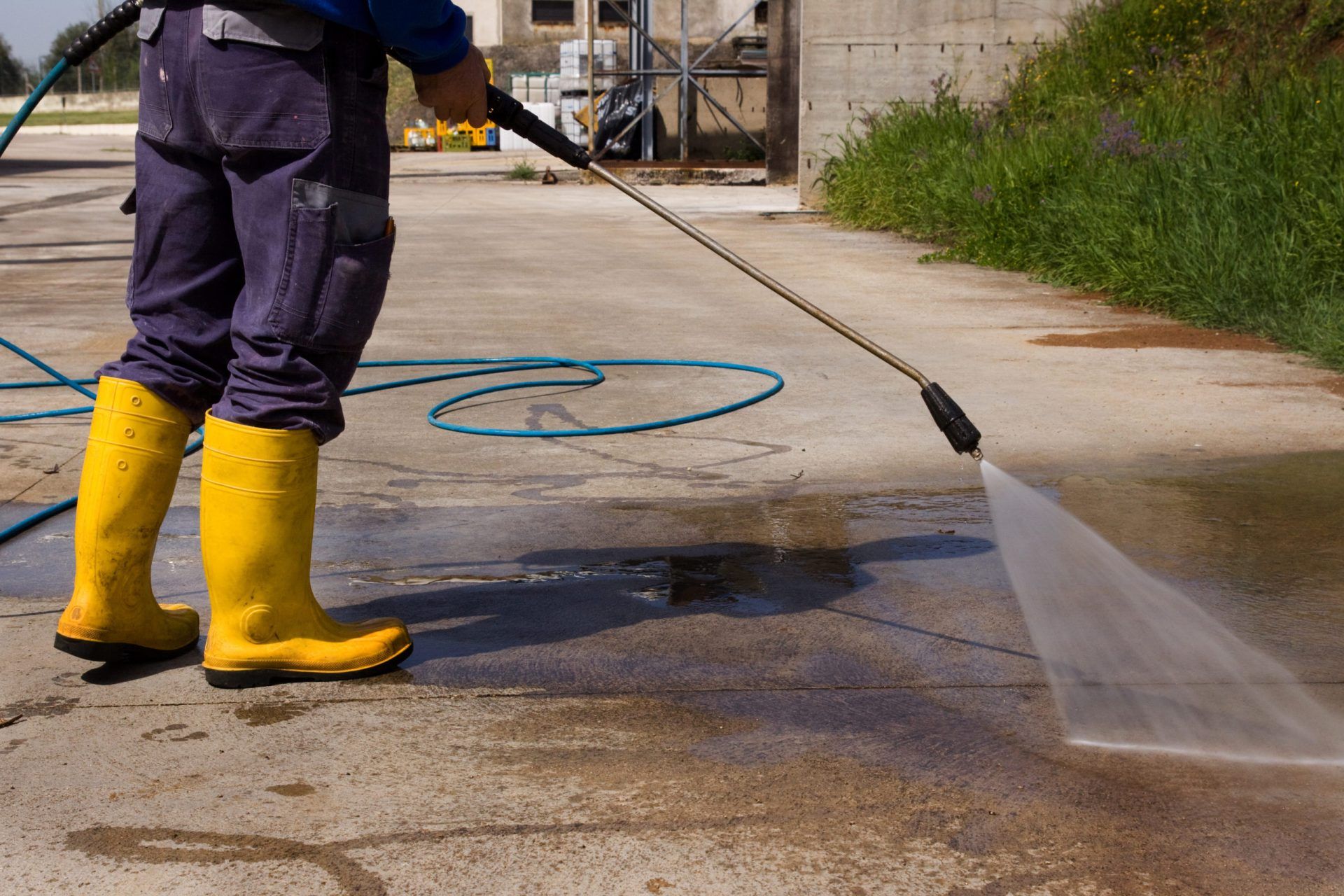
With everyone’s attention focused on the environment these days, the criticism of our cleaning practices grows. Pressure washing, also known as high pressure cleaning, is unique in that it offers numerous environmental benefits in addition to ensuring cleanliness. This article explores nine major advantages of high-pressure cleaning, highlighting the crucial role it plays in promoting environmental friendliness and sustainability. With this approach, we prevent pollution, use less water, use fewer chemicals, and contribute to a better environment in addition to maintaining cleanliness. Choosing high-pressure cleaning is a sensible and environmentally responsible decision as we work together to create a more sustainable future.
1. Water Conservation:
Conventional cleaning techniques usually involve using much water, which limits the available water supplies in the area in addition to causing waste. On the other hand, because high-pressure cleaning uses a lot less water, it provides a sustainable alternative. Using less water, this approach provides amazing cleaning performance by using the force of the water jet to remove dirt and grime. As a consequence, it guarantees better cleaning outcomes than traditional methods while also conserving water. This effective strategy shows a dedication to upholding strict standards of sanitation and cleanliness together with environmental responsibility.
2. Chemical Reduction:
Many traditional cleaning products are made with strong chemicals that are harmful to the environment, especially if they end up in soil or water. Chemical agents are not needed when using water and mechanical power for high-pressure cleaning. This method significantly reduces pollution and protects against the negative effects of hazardous materials on the environment. High-pressure cleaning is environmentally sensitive since it avoids using harsh chemicals, which promotes ecological balance and sustainability. This technology reduces the negative effects connected with conventional cleaning techniques by prioritizing environmental stewardship in addition to providing effective cleaning. As a result, it addresses issues of chemical pollution and environmental deterioration while fostering a healthy ecology.
3. Prevention of Harmful Runoff:
Many traditional cleaning products have strong chemicals in them that can harm the environment, especially if they get into the soil or water. Chemical agents are not required in high-pressure cleaning since they primarily use water and mechanical power. This strategy significantly reduces pollution, protecting against the contribution of hazardous materials to the degradation of the environment. High-pressure cleaning followed by janitorial services promote sustainability and ecological balance by avoiding harsh chemicals and adhering to eco-conscious procedures. This approach lessens the negative effects of conventional cleaning techniques while simultaneously prioritizing environmental stewardship and providing effective cleaning. It thereby addresses issues of chemical pollution and environmental deterioration and fosters a more robust ecosystem.
4. Preservation of Natural Resources:
One of the most important ways to prolong the life of surfaces and reduce the need for regular replacements or repairs is through commercial pressure cleaning. Regular cleaning of external walls, decks, and roofs removes dirt, mold, and mildew buildup, greatly extending the life of these building materials. This conservation effort reduces the environmental effect associated with the production and disposal of building materials in addition to protecting resources. High-pressure cleaning helps to reduce waste and encourages sustainable practices in the building and maintenance industries by preventing premature deterioration. This encourages a more environmentally conscious approach to safeguarding natural resources and infrastructure for future generations.
5. Energy Efficiency:
One notable feature of high-pressure cleaning is its efficiency; it uses less energy than abrasive or manual scrubbing techniques while producing a comparable level of cleanliness. This benefit is especially valuable in commercial and industrial settings where large surfaces need to be maintained often. Because pressure washing uses less energy, it produces less carbon emissions, which reduces its overall environmental impact. This environmentally responsible method is the go-to option for companies trying to reduce their environmental influence because it guarantees efficient cleaning while still falling in line with sustainability objectives.
6. Emission Reduction:
Air pollution is mostly caused by industrial activities and transportation, which release particulate matter, nitrogen oxides (NOx), and carbon dioxide (CO2). An indirect way to reduce emissions is to maintain machinery, automobiles, and industrial sites using high-pressure cleaning. By keeping machinery clean and well-maintained, this procedure maximises efficiency. As a result, it lessens emissions and fuel consumption, lessening its negative effects on the environment. Pressure washing is a regular maintenance method used by industries to maintain operational efficiency and positively impact air quality management. This aligns with sustainable practices that are crucial for environmental preservation and public health.
7. Restoration of Natural Aesthetics:
Parks, public buildings, and monuments are examples of outdoor places that are crucial to enhancing the visual appeal of metropolitan environments. Nevertheless, these places frequently suffer from filth, graffiti, and other pollution, which takes away from their inherent beauty. High-pressure cleaning shows up as a practical and non-intrusive way to revitalize these areas without using disruptive or damaging methods to the environment. High-pressure cleaning methods can be used to bring these places back to their previous glory while maintaining the aesthetic integrity of the location. This strategy reduces the use of harsh chemicals. It protects the surrounding ecosystem, which not only makes urban surroundings more aesthetically pleasing but also advances sustainability.
8. Invasive Species Control:
In regions prone to invasive plant species or pests, maintaining clean outdoor surfaces is crucial for preventing their spread. Commercial high-pressure cleaning can effectively remove seeds, spores, and insects from surfaces, reducing the likelihood of their dispersal to new areas. By controlling invasive species through regular cleaning, pressure washing contributes to preserving native biodiversity and ecosystem stability.
In conclusion,
High-pressure cleaning offers a multitude of environmental benefits that make it a compelling choice for maintaining cleanliness while minimizing ecological impact. From water conservation and chemical reduction to energy efficiency and pollution prevention, pressure washing emerges as a versatile and sustainable solution for various cleaning needs. By prioritizing environmentally friendly practices like high-pressure cleaning, we can contribute to a cleaner, healthier planet for all.


