



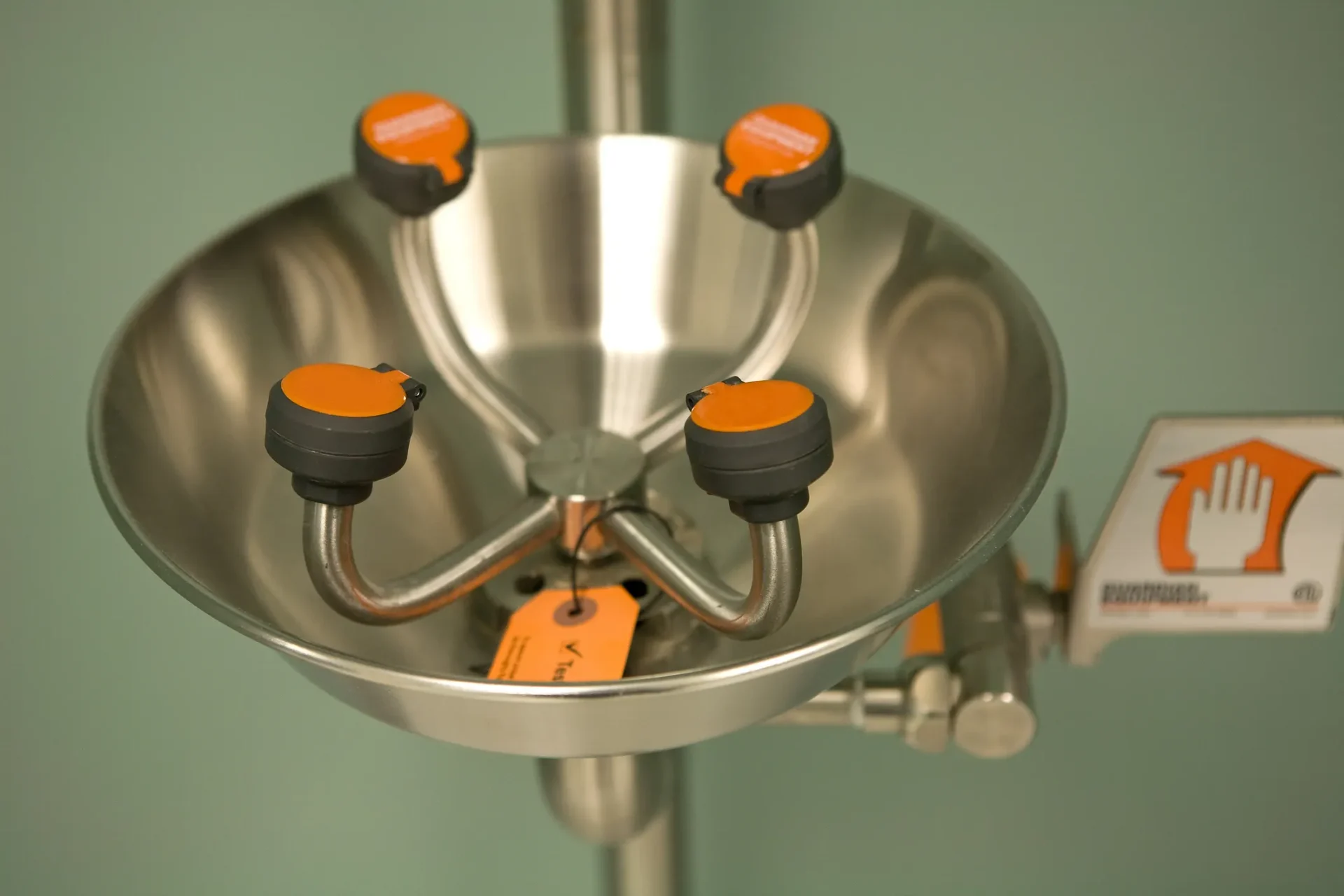
Eye injuries that occur in the workplace may be experienced within seconds, but the effects of such injuries may be lifetime. Some of the most prevalent risks in the laboratories, manufacturing plants, construction sites and maintenance facilities include chemical splashes, airborne particles, and hazardous liquids. Reliant employers are required to make sure that the emergency equipment they are relying on works properly at the point when they require it. One of the best methods of ensuring that protective measures comply with agreed safety standards is in the reviewing of the established standards.
The American National Standards Institute offers directives of the emergency eyewash and other equipment associated with it. These standards provide design, installation, testing and maintenance expectations that assist in mitigating the risk and enhancing the response times. It is not just a paperwork exercise to take time and review these requirements. It is an initiative that contributes to employee service protection and enhances compliance practices.
Understanding ANSI Requirements
The standard that is used as the main source of emergency eye and face wash equipment is the standard of American National Standards Institute referred to as ANSI Z358.1. This paper sets standards of flow rate, temperature of water, the activation period, and availability. It also describes the speed at which an exposed worker is supposed to access the equipment after being exposed to a substance which is hazardous. By analyzing these technical points, employers can understand this, to know whether their current systems are up to date according to the current expectations.
These requirements are also important in understanding to avoid making assumptions that may jeopardize safety. As an illustration, the equipment should be able to provide a constant supply of tepid water in a period of time to be able to wash out the contaminants in the eyes. A company may not be familiar with the standard and therefore end up installing equipment that may not be adequate but does not meet the performance guidelines. Periodical review would make sure that the purchasing decisions and the installation plans are based on ordinance and authoritative guidance.
Improving Workplace Safety
ANSI standards and their comprehensive review can help to provide better safety in the workplace. With good equipment that is well specified, the employees are able to react swiftly and decisively in case of an emergency. Being aware that the eyewash station has been set up right, has a sufficient amount of flowing water, and is not blocked will minimize the hesitation and confusion occurring during high stress levels.
Standards also lay stress on integration with other emergency systems such as safety showers that are used in the full body exposure. Orchestrating all emergency response devices into accepted standards makes organizations develop consistent protection plans and not in isolated safety efforts. Consideration of these guidelines promotes thoroughness that considers the multiplicity of exposure conditions and implies uniform performance in all the devices.
Supporting Compliance Efforts
Another reason why it is important to revise ANSI standards is regulatory compliance. Although ANSI is not part of the government, its standards tend to be used by enforcement agencies in assessing practices in safety in the workplace as well. Showing compliance with the set standards helps a corporation to be even stronger when it comes to inspections and audits.
Legal risk can also be minimized by keeping a record of equipment selection, placement and maintenance procedures being done under ANSI recommendations. The ability to prove equipment was of the quality highly accepted in the market can assist in demonstrating due diligence in case of an incident. Periodic reexamination would ensure that safety managers are aware of the updates or changes that may be introduced to the compliance standards.
Enhancing Maintenance and Testing Practices
ANSI standards are not concerned with installation only. They also give a clear guideline on the inspection frequency, weekly activation testing and performance evaluation every year. A review of these maintenance requirements promotes the development of regular habits that ensure that equipment is in good working conditions. A device that is not tested in case of an emergency can fail at the time that it is most required.
Accountability is also encouraged by clear testing procedures. In the instances where the staff is educated on flow checks, temperature, and the verifications by the end of every interval, the maintenance process is no longer an ad-hoc thing or makeshift. The process of evaluation of the standards helps to emphasize the significance of written records and scheduled evaluations, which will lead to reliable performance in the long term.
Adapting to Changing Work Environments
Work places change with time because processes, materials and the layout of facilities change. ANSI standards review assists organizations to reevaluate the need to continue using the same equipment to the present hazards. The distance which is required between workers and emergency flushing equipment might change with the introduction of new chemicals or the change of production areas. Periodic review also helps to ensure that protection measures are kept in line with changes in operation.
Moreover, new versions of the standard can specify definitions or can narrow down technical requirements. Being aware of these developments can assist safety professionals to foresee changes and avoid them as an urgent problem. Organizations that conduct regular reviews of standards are ready and flexible as opposed to responding to incidents or the results of inspections.
Conclusion
The evaluation of ANSI standards eyewash equipment is a sensible measure which enhances the safety, compliance, and operative preparedness. Knowing the performance needs, installation standards, and maintenance expectations, the employers are able to provide an environment where emergency response equipment can operate as expected.
The active adherence to accepted standards is an expression of the interest in the welfare of the employees and a conscientious approach to the management of risk. These guidelines create a safer working environment and strengthen trust in protective measures when companies take them as the fundamental guideline and not the addition to it.


