



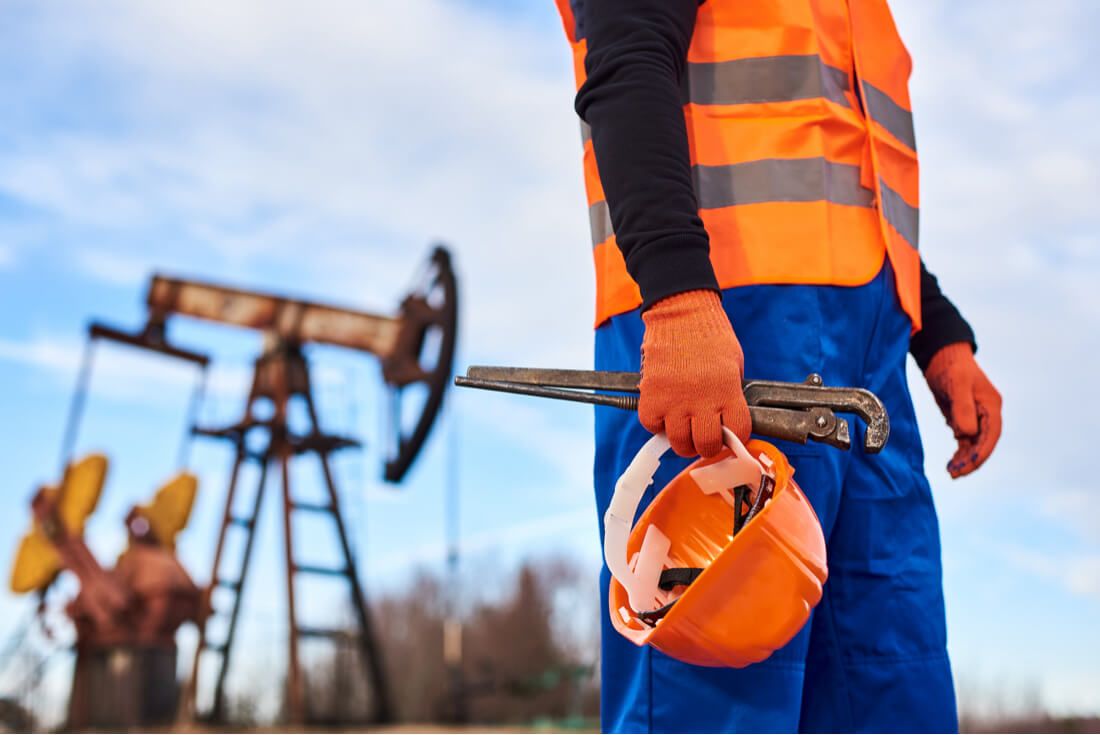
Oil fields are the heartbeat of the modern energy economy, but they are also environments where the margin for error is razor-thin. Every piece of equipment is massive, and every process involves forces that can turn deadly in a heartbeat if they aren’t respected.
Workers spend their days surrounded by heavy steel and extreme pressures that most people can’t imagine. It is a place where professional discipline is the only thing standing between a productive shift and a total catastrophe that ruins lives and local ecosystems.
New recruits often ask how dangerous is oil field work before they ever step onto the rig floor for their first rotation. The reality is that the industry remains one of the most hazardous sectors because of the sheer scale of the energy involved.
Pressure and Power on the Pad
High-pressure systems are the primary drivers of production, but they also represent a constant threat to everyone on the site. A single failed valve or a weakened pipe can release a burst of energy that rivals a small explosion without any warning.
Monitoring these systems requires a high level of expertise and a commitment to regular maintenance that never wavers. When companies try to speed up production, they often overlook the small signs of wear that eventually lead to a massive mechanical failure or blowout.
The result of such a failure is usually catastrophic, involving fire and structural damage that can trap workers in seconds. Safety valves and blowout preventers are critical, but they are only effective if they have been tested and maintained by a diligent crew.
Avoiding the Path of Heavy Iron
Moving heavy pipes and operating massive machinery creates a dynamic environment where “struck-by” incidents are far too common. These events happen when a cable snaps or a piece of equipment shifts unexpectedly during a lift, pinning a worker against a stationary object.
Coordination between the crane operator and the ground crew is the only way to prevent these violent physical encounters. If communication breaks down for even a second, a person can find themselves in the path of a swinging pipe that weighs thousands of pounds.
Protective gear offers very little defense against the crushing force of industrial equipment at this scale. The focus must always be on maintaining clear exclusion zones and ensuring that every worker knows exactly where the hazardous movement is happening during the entire drilling process.
The Cost of Continuous Labor
Exhaustion is a silent enemy in the oil patch, where shifts often last twelve hours or longer for several weeks at a time. The physical and mental strain of this schedule leads to a gradual decline in situational awareness and decision-making skills.
When a person is sleep-deprived, their reaction time slows down and they are much more likely to skip a vital safety step. This human error is responsible for a huge percentage of the injuries that occur during the final days of a rotation.
Companies that prioritize volume over rest are essentially gambling with the lives of their employees every single day. A culture that encourages pushing through fatigue is a culture that is inviting a disaster to happen on their rig or at their facility.
Invisible Threats and Outdoor Extremes
Toxic gases like hydrogen sulfide are invisible killers that can leak from a well without any immediate smell or visual sign. Exposure to even small amounts can cause immediate respiratory failure, making personal gas monitors a mandatory piece of gear for every single person.
Extreme weather also adds a layer of difficulty to an already challenging job, with heat stroke and freezing temperatures posing constant risks. Workers must battle the elements while handling heavy tools, which increases the likelihood of slips and falls on slick steel surfaces.
Being outdoors in an isolated location means that help is often far away when an emergency occurs. This isolation requires every site to have its own medical response plan and emergency evacuation protocol to handle the unique environmental hazards that define life in the oil field.
Surviving a career in the energy sector depends on a foundation of professional training and a total refusal to cut corners. Strict adherence to established safety standards is the only way to manage the inherent risks of working with such powerful forces.
Every worker has the right to return home safely at the end of their shift regardless of the production goals. Holding corporations accountable for their safety culture ensures that the industry evolves to protect the humans who make the production possible every day.
Respecting the danger of the environment allows a person to build a long and successful career without becoming another statistic. Vigilance and a commitment to your coworkers are the most effective tools available for preventing harm in this high-stakes industrial landscape.


